PLA vs PETG: Which 3D Printing Filament is Right for You?
PLA and PETG are the two most popular filaments for 3D printing, but they serve different purposes. PLA is beginner-friendly and great for decorative prints, while PETG offers strength and durability for functional parts. This guide helps you choose the right material for your project.
Quick Recommendation
Choose PLA If:
- You are new to 3D printing
- Making decorative items or display pieces
- Detail and appearance matter most
- Printing indoors without enclosure
Choose PETG If:
- Making functional or mechanical parts
- Parts will be outdoors or in heat
- Need flexibility without breaking
- Durability matters more than fine detail
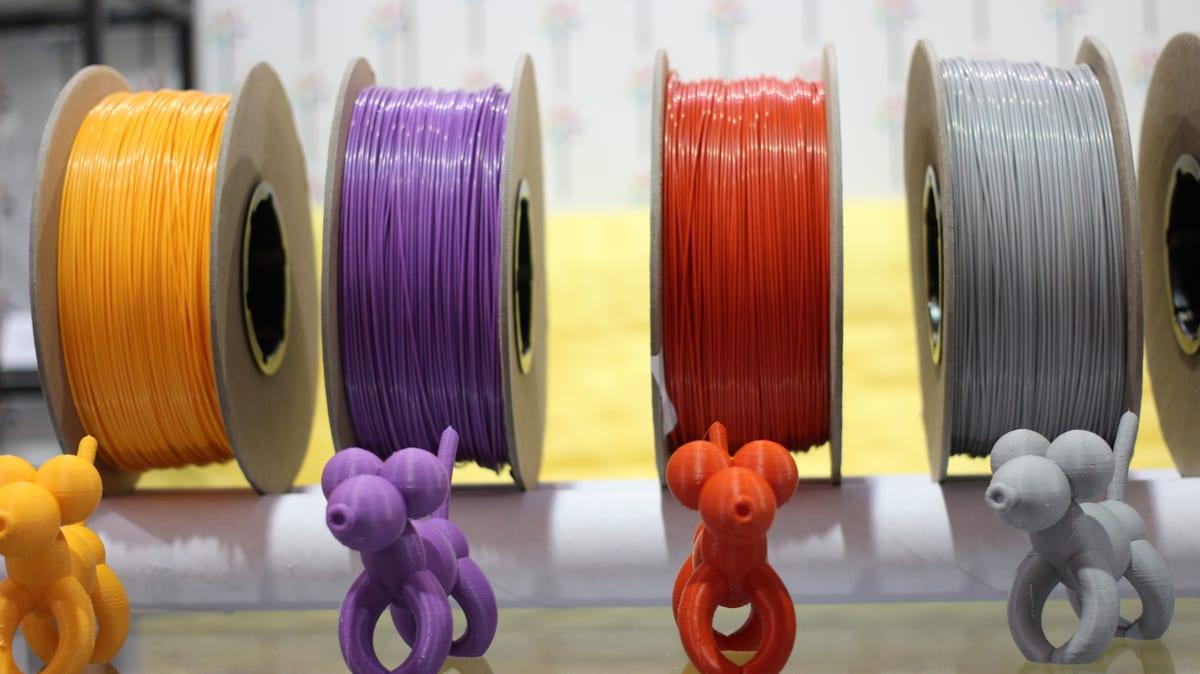
PLA (Polylactic Acid)
PLA is the most beginner-friendly filament. It is made from renewable resources (corn starch or sugarcane) and prints at lower temperatures with minimal warping.
PLA Pros
- Easy to print - forgiving settings
- No heated bed required (helps though)
- Low warping and curling
- Excellent surface finish
- Wide color selection
- Low odor when printing
- Biodegradable (industrial composting)
- Affordable ($20-25/kg)
PLA Cons
- Brittle - can snap under stress
- Low heat resistance (softens at 50-60C)
- Not food safe without coating
- Degrades outdoors over time
- Harder to post-process
- Not suitable for mechanical stress
Typical PLA Settings
- Nozzle temp: 190-220C
- Bed temp: 50-60C (or room temp)
- Print speed: 40-100mm/s
- Cooling: 100% fan after first layer
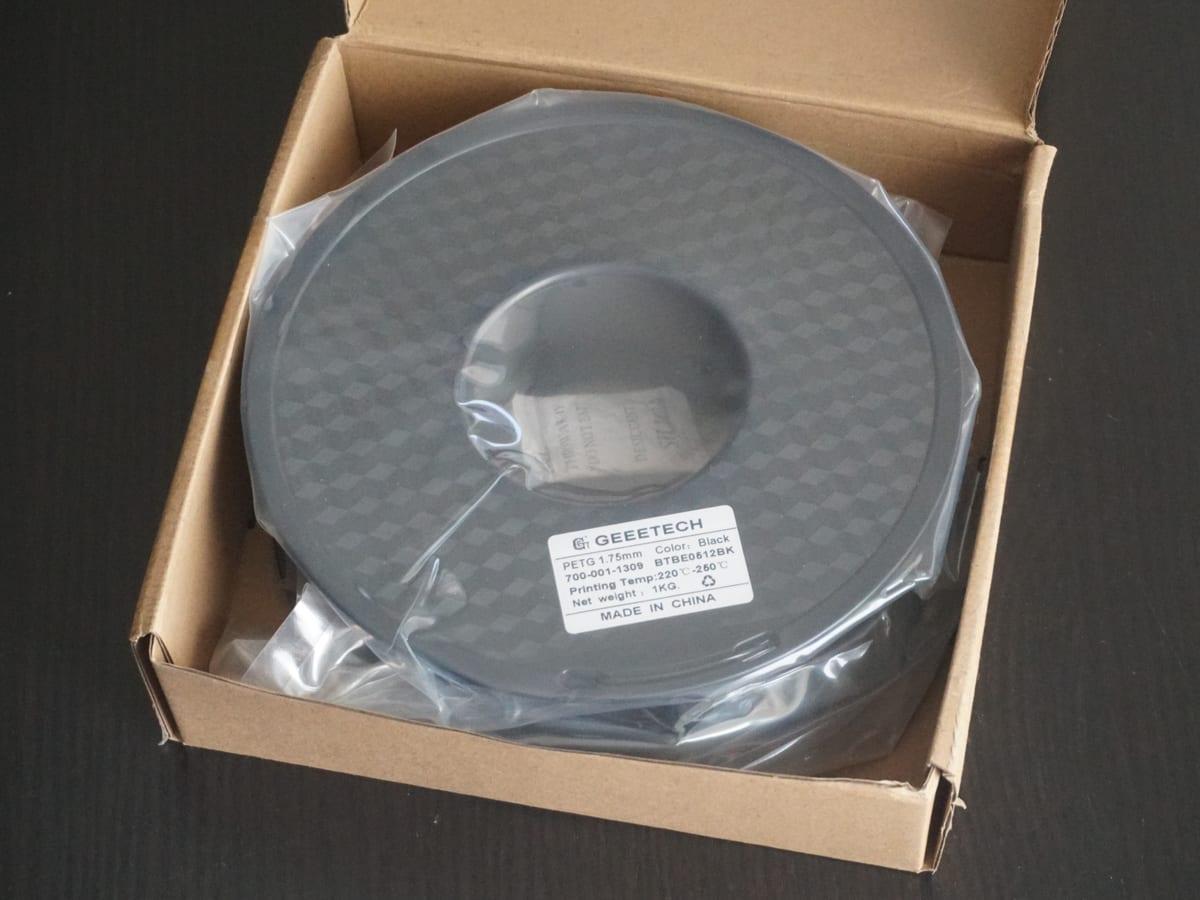
PETG (Polyethylene Terephthalate Glycol)
PETG bridges the gap between easy-to-print PLA and strong ABS. It offers good strength, flexibility, and chemical resistance while remaining relatively easy to print.
PETG Pros
- Strong and durable
- Flexible - bends before breaking
- Higher heat resistance (70-80C)
- Chemical and water resistant
- Good layer adhesion
- UV resistant - better outdoors
- Food safe (FDA approved)
- Low warping (better than ABS)
PETG Cons
- More stringing than PLA
- Absorbs moisture - needs dry storage
- Can stick too well to bed (damages it)
- Slightly more expensive ($25-35/kg)
- Harder to remove supports
- Less detailed than PLA
- Requires more tuning
Typical PETG Settings
- Nozzle temp: 230-250C
- Bed temp: 70-85C
- Print speed: 30-60mm/s
- Cooling: 30-50% fan (not 100%)
Head-to-Head Comparison
| Property | PLA | PETG |
|---|---|---|
| Ease of Printing | Excellent | Good |
| Strength | Moderate | High |
| Flexibility | Brittle | Flexible |
| Heat Resistance | 50-60C | 70-80C |
| Surface Detail | Excellent | Good |
| Outdoor Use | Poor | Good |
| Food Safe | With coating | Yes (FDA) |
| Price (per kg) | $20-25 | $25-35 |
| Stringing | Minimal | More common |
Best Use Cases
Use PLA For:
- Figurines and miniatures
- Cosplay props (display only)
- Decorative items
- Prototypes and test prints
- Art and sculptures
- Models and architectural pieces
- Gifts and novelty items
- Learning and practice prints
Use PETG For:
- Mechanical parts and brackets
- Outdoor items (planters, signs)
- Tool handles and organizers
- Phone and tablet cases
- Food containers (with proper setup)
- Replacement parts
- Items near heat sources
- Parts that flex or take impacts
Tips When Ordering Prints
When using a printing service, knowing which material to request helps you get better results:
Questions to Ask Yourself
- Will it be handled roughly? Choose PETG for durability
- Will it be outdoors or in a car? PETG handles heat and UV
- Is fine detail critical? PLA gives sharper details
- Is it purely decorative? PLA is fine and cheaper
- Does it need to flex without breaking? PETG is more flexible
If you are unsure, tell the maker what the part will be used for. Experienced makers can recommend the best material based on your specific needs.
Other Materials Worth Knowing
While PLA and PETG cover most needs, other materials exist for specialized applications:
ABS
Higher heat resistance but harder to print. Needs enclosure. Good for automotive parts.
TPU
Flexible rubber-like material. Great for phone cases, gaskets, and wearables.
Nylon
Very strong and wear-resistant. Used for gears, hinges, and mechanical parts.
Resin (SLA)
Not a filament but liquid resin. Best detail possible. Great for miniatures and jewelry.
Related Articles
Not Sure Which Material?
Post your project and describe what the part will be used for. Our experienced makers will recommend the best material and provide quotes tailored to your needs.