3D Printing Filament Types: How to Choose the Right One
Choosing the right filament can make or break your 3D printing project. Whether you're printing a simple prototype or a functional mechanical part, the material you select directly impacts strength, appearance, and printability. This comprehensive guide covers everything you need to know about 3D printing filament - from the most popular types to storage tips and sustainability practices.
3D Printing Filament Types at a Glance
The main 3D printing filament types are PLA, PETG, ABS, TPU, and Nylon. PLA is the easiest to print and best for beginners, PETG balances strength with printability, ABS handles heat, TPU is flexible and rubber-like, and Nylon is the strongest for mechanical parts. Here's how the most common filament types compare side by side:
| Filament Type | Strength | Flexibility | Difficulty | Cost / kg | Best For |
|---|---|---|---|---|---|
| PLA | Low-Medium | Rigid | Easy | $18-25 | Beginners, decorative & display models |
| PETG | Medium-High | Slightly flexible | Moderate | $20-30 | Functional parts, food-safe items |
| ABS | High | Rigid | Hard | $20-28 | Heat-resistant, durable parts |
| TPU | Medium | Very flexible | Moderate-Hard | $30-45 | Phone cases, gaskets, grips |
| Nylon | Very High | Semi-flexible | Hard | $40-70 | Gears, hinges, mechanical parts |
Below we break down each of these 3D printing filament types in detail, plus specialty options like wood-filled, carbon fiber, and metal-filled filaments.
Understanding 3D Printing Filament: The Basics
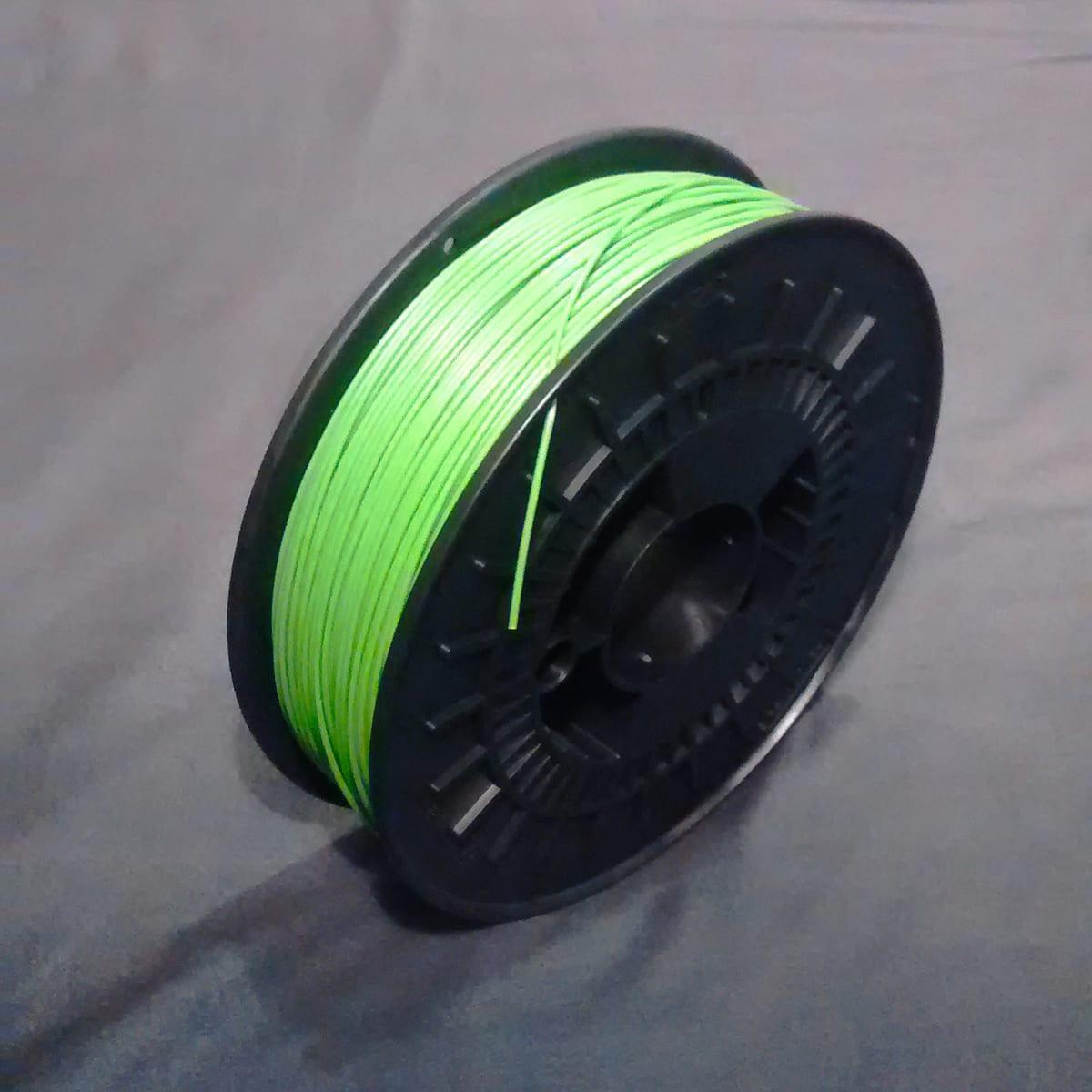
Filament is the thermoplastic feedstock used in FDM (Fused Deposition Modeling) 3D printers. It comes wound on spools and is fed through a heated nozzle that melts the plastic and deposits it layer by layer to create your object.
Key Properties to Consider
- Print Temperature: The nozzle temperature required to melt the filament
- Bed Temperature: Heated bed requirements for adhesion
- Tensile Strength: How much force the material can handle before breaking
- Flexibility: How much the material can bend without snapping
- Heat Resistance: Maximum temperature before deformation
Filament comes in two standard diameters: 1.75mm (most common) and 2.85mm (sometimes called 3mm). Always check your printer's specifications before purchasing.
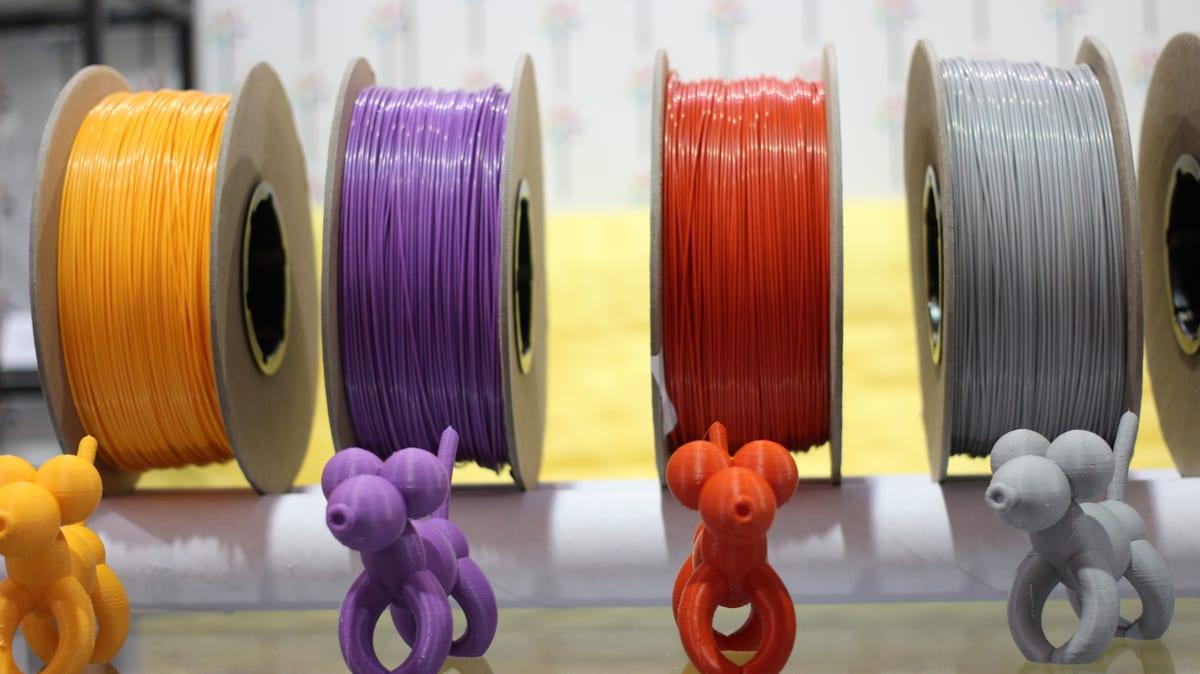
Most Popular Types of 3D Printing Filament
PLA (Polylactic Acid)
The most beginner-friendly filament. Made from renewable resources like corn starch, PLA is easy to print and produces minimal warping. It's perfect for decorative items, prototypes, and low-stress applications.
- + Easy to print, minimal warping
- + No heated bed required
- + Biodegradable
- + Wide color selection
- + Low odor when printing
- - Brittle, can snap under stress
- - Low heat resistance (~60C)
- - Not suitable for outdoor use
- - Limited mechanical strength
ABS (Acrylonitrile Butadiene Styrene)
The same plastic used in LEGO bricks. ABS offers excellent strength and heat resistance but requires more careful printing conditions including an enclosure and good ventilation.
- + Strong and durable
- + Good heat resistance (~100C)
- + Can be acetone smoothed
- + Impact resistant
- - Prone to warping
- - Requires enclosure
- - Produces fumes (ventilate!)
- - Needs heated bed (100C+)
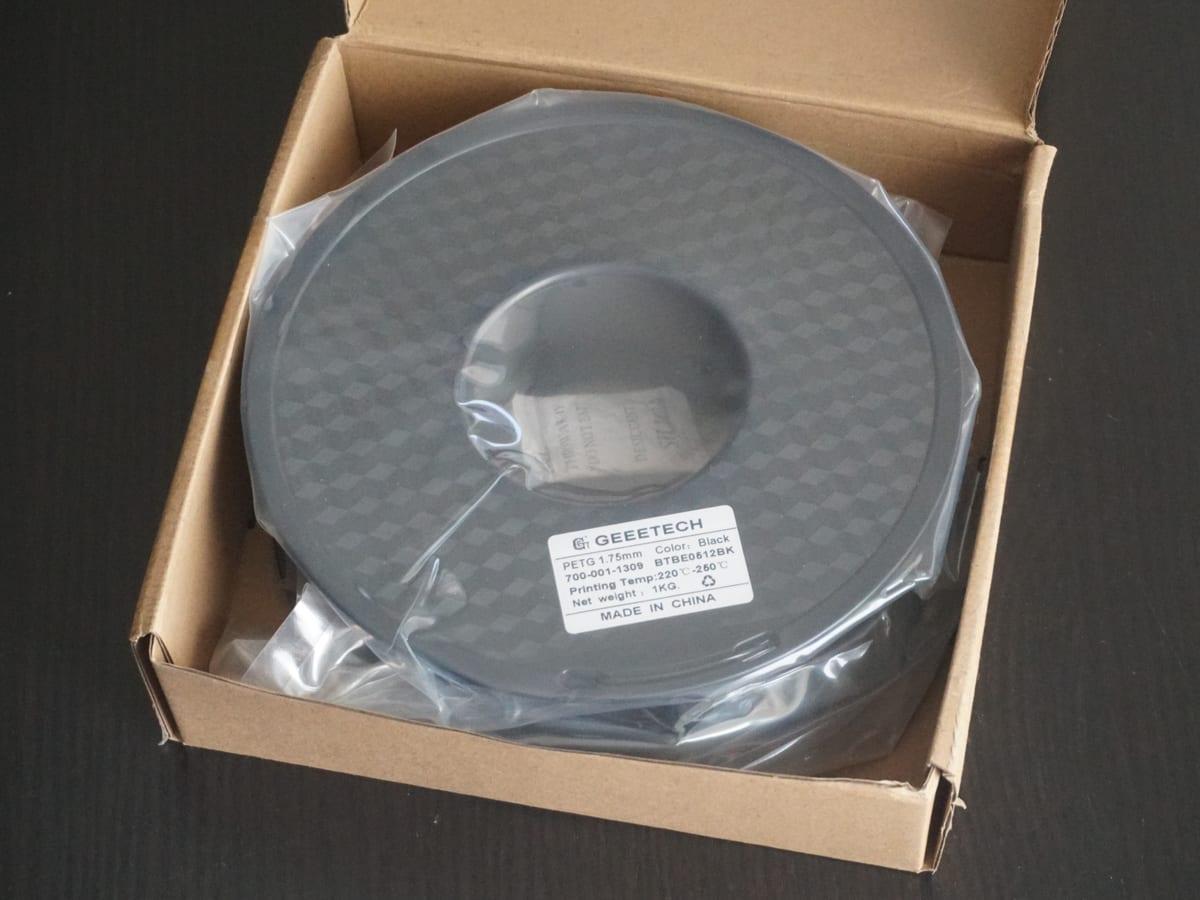
PETG (Polyethylene Terephthalate Glycol)
Often called the "best of both worlds," PETG combines the ease of printing of PLA with many of the strength benefits of ABS. It's food-safe, chemical resistant, and great for functional parts.
- + Strong and slightly flexible
- + Good layer adhesion
- + Chemical resistant
- + Food-safe (check manufacturer)
- + Minimal warping
- - Prone to stringing
- - Scratches easily
- - Hygroscopic (absorbs moisture)
- - Can be stringy to print
Specialty Filaments
How to Choose the Right Filament for Your Project
Selecting the right filament depends on several factors. Ask yourself these questions:
| If You Need... | Consider |
|---|---|
| Easy printing, decorative items | PLA |
| Heat resistance, mechanical parts | ABS or ASA |
| Strength without fumes | PETG |
| Flexibility, rubber-like parts | TPU |
| Maximum strength | Nylon or Carbon Fiber |
| Outdoor use | ASA or PETG |
Budget also matters - PLA is the most affordable at around $20-25/kg, while specialty filaments can run $40-80/kg or more.
Storing and Maintaining Your 3D Printing Filament
Proper storage is crucial for print quality. Most filaments are hygroscopic - they absorb moisture from the air, leading to poor prints, popping sounds, and weak layer adhesion.
Storage Best Practices
- Use airtight containers: Store spools in sealed bins with desiccant packets
- Control humidity: Keep below 15-20% relative humidity
- Dry before use: Use a filament dryer or food dehydrator if filament has been exposed
- Store in original bags: Keep vacuum-sealed bags until ready to use
- Avoid temperature extremes: Room temperature (20-25C) is ideal
- - Popping or crackling sounds during printing
- - Excessive stringing and oozing
- - Rough, bubbly surface finish
- - Poor layer adhesion
- - Brittle filament that snaps easily
Pro tip: Nylon and PETG are especially hygroscopic and benefit from being printed directly from a dry box with active drying.
3D Printing Filament Recycling: Sustainability Tips
As makers, we can reduce our environmental impact through thoughtful filament practices:
Reduce Waste
- - Optimize supports to minimize material
- - Use appropriate infill percentages
- - Calibrate before printing to avoid fails
Recycle
- - Collect failed prints and supports
- - Use a filament recycler (Filabot, Protocycler)
- - Find local recycling programs
PLA is biodegradable under industrial composting conditions, though it won't break down in your backyard compost. Some companies now offer take-back programs for used spools.
Common Filament Challenges and Solutions
Warping
Corners lifting from the bed, especially with ABS.
Solution: Use enclosure, increase bed temp, use adhesives like glue stick or hairspray, add brim.
Stringing
Thin threads between parts of the print.
Solution: Increase retraction distance/speed, lower print temp, dry your filament.
Poor Bed Adhesion
First layer won't stick to the build plate.
Solution: Level bed properly, clean with IPA, adjust Z-offset, use appropriate bed temp.
Clogged Nozzle
Filament stops extruding or under-extrudes.
Solution: Perform cold pull, use cleaning filament, check for heat creep, ensure PTFE tube is seated.
Top Tips for Buying 3D Printing Filament
Quality Indicators
- Diameter consistency: Look for +/- 0.02mm tolerance
- Roundness: Should be perfectly circular, not oval
- Winding quality: No tangles or crossed lines
- Vacuum sealed: New spools should come sealed with desiccant
Trusted brands include: Hatchbox, Overture, eSUN, Prusament, Polymaker, and Inland. While budget filaments can work, inconsistent quality leads to more failed prints and wasted time.
Expect to pay $20-30/kg for quality PLA or PETG. Specialty filaments run $40-100/kg. Buying in bulk often saves 10-20%.
Start Experimenting
Understanding filament is fundamental to successful 3D printing. Start with PLA to learn the basics, then branch out to PETG for functional parts, and explore specialty filaments as your skills grow.
The best way to learn is through hands-on experience. Try different brands, test various settings, and don't be afraid of failed prints - they're learning opportunities.