Why I Stopped Printing My Own Minis: An Apartment Dweller's Guide
I wanted a resin printer for miniatures. I did my research, picked out an Elegoo Mars 3, and was ready to click "buy" when I hit a wall: I live in a one-bedroom apartment. No garage. No basement. No dedicated craft room. Just 700 square feet of living space shared with my partner and our cat.
After reading dozens of Reddit threads and safety guides, I realized resin printing wasn't going to work for me - at least not safely. But that didn't mean I couldn't have amazing custom miniatures. Here's what I learned and how I solved the problem.
The Reality of Resin Printing in Small Spaces
Let's be honest about what resin printing requires. This isn't fear-mongering - it's the reality that every resin printer manual tells you (even if the marketing glosses over it).
Why Resin Printing is Challenging in Apartments
Uncured resin releases volatile organic compounds (VOCs). These aren't just unpleasant - they can cause respiratory irritation, headaches, and sensitization with repeated exposure. You need dedicated ventilation exhausting to the outside.
Most guides recommend a grow tent with an inline fan exhausting outdoors, or a room with a window you can vent through. Printing in your bedroom, living room, or kitchen is not safe - even with a carbon filter.
You'll have bottles of resin, isopropyl alcohol (IPA) for washing, and waste to cure and dispose of. All of this needs safe storage away from living spaces.
Uncured resin hardens in UV light. Sunlight from windows can partially cure resin in your vat, ruining prints. You need a dark or controlled-light workspace.
What the Reddit Threads Say
"The suitable amount of fume protection includes having the resin printer in its own room, garage or grow tent. You can't have your printer sitting in a communal area, bedroom or office."
"I tried running mine in my apartment for 3 months. Constant headaches, and my cat started acting lethargic. Sold the printer and switched to a print service."
"Carbon filters help with smell but don't actually remove the harmful VOCs. You need real ventilation to outside."
Solutions People Try (And Why They Fall Short)
Grow Tent + Carbon Filter
Enclosing the printer in a grow tent with carbon filtration.
Problem: Carbon filters reduce odor but don't effectively remove VOCs. Without exhausting outside, fumes still enter your living space.
Window Venting
Running a hose from an enclosure out a window.
Problem: Can work if properly sealed, but not practical for all windows. Cold weather makes this miserable. Landlords may object.
Bathroom Printing
Using the bathroom with the exhaust fan running.
Problem: Bathroom fans typically recirculate to the attic, not outside. Humidity also affects print quality.
Balcony Printing
Setting up on an enclosed balcony.
Problem: Temperature fluctuations ruin prints. Resin needs 20-25°C (68-77°F). Most balconies don't meet this year-round.
I'm not saying resin printing in an apartment is absolutely impossible - some people make it work with careful setup. But the cost of proper ventilation equipment ($200-400+), the ongoing safety considerations, and the limitations of apartment spaces make it impractical for most people.
The Alternative That Actually Works
After researching for weeks, I realized I was looking at this wrong. I didn't need to own a resin printer - I needed resin-quality miniatures. Those are different things.
Why Print Services Make Sense for Apartment Dwellers
No printer, no chemicals, no grow tent, no ventilation setup.
Someone else handles the toxic materials. Your apartment stays chemical-free.
A decent resin setup costs $400-600+. Pay per print instead.
Skip the failed prints, dialing in settings, and support placement trial-and-error.
Experienced printers with dialed-in machines produce excellent results.
The Real Cost Comparison
Let's compare the costs of owning a resin printer vs using a print service:
Year One Costs: Buying a Printer
Year One Costs: Using a Print Service
The Break-Even Point
At $8 per miniature from a print service, you'd need to print roughly 80+ miniatures before owning a printer becomes cheaper. And that's ignoring your time, failed prints, and ongoing supply costs.
For casual players printing 20-40 minis per year, a print service is almost always more economical - especially in an apartment where the ventilation setup adds significant cost.
My Current Workflow (No Printer, No Problem)
Here's how I get my miniatures now - and honestly, it's easier than dealing with resin ever was:
I use Hero Forge for custom characters ($8 per STL), mz4250 for free monsters, and a Loot Studios Patreon ($12/month) for thematic sets.
I collect STLs over a month, then submit them together. Saves on per-unit costs and shipping.
I post on 3D Print Bounty with my files and requirements. Usually get 3-5 quotes within a day.
Prints arrive cleaned and ready to prime. I spend my hobby time painting instead of troubleshooting failed prints.
Monthly Cost
I average about $30-40/month on miniatures - roughly 4-5 minis including shipping. That's less than I spent on failed prints and supplies when I briefly tried FDM printing (which I also sold - layer lines on minis aren't my thing).
What About FDM Printers?
FDM (filament) printers are apartment-friendly - PLA is non-toxic and doesn't require special ventilation. But they have a significant drawback for miniatures:
FDM Limitations for Miniatures
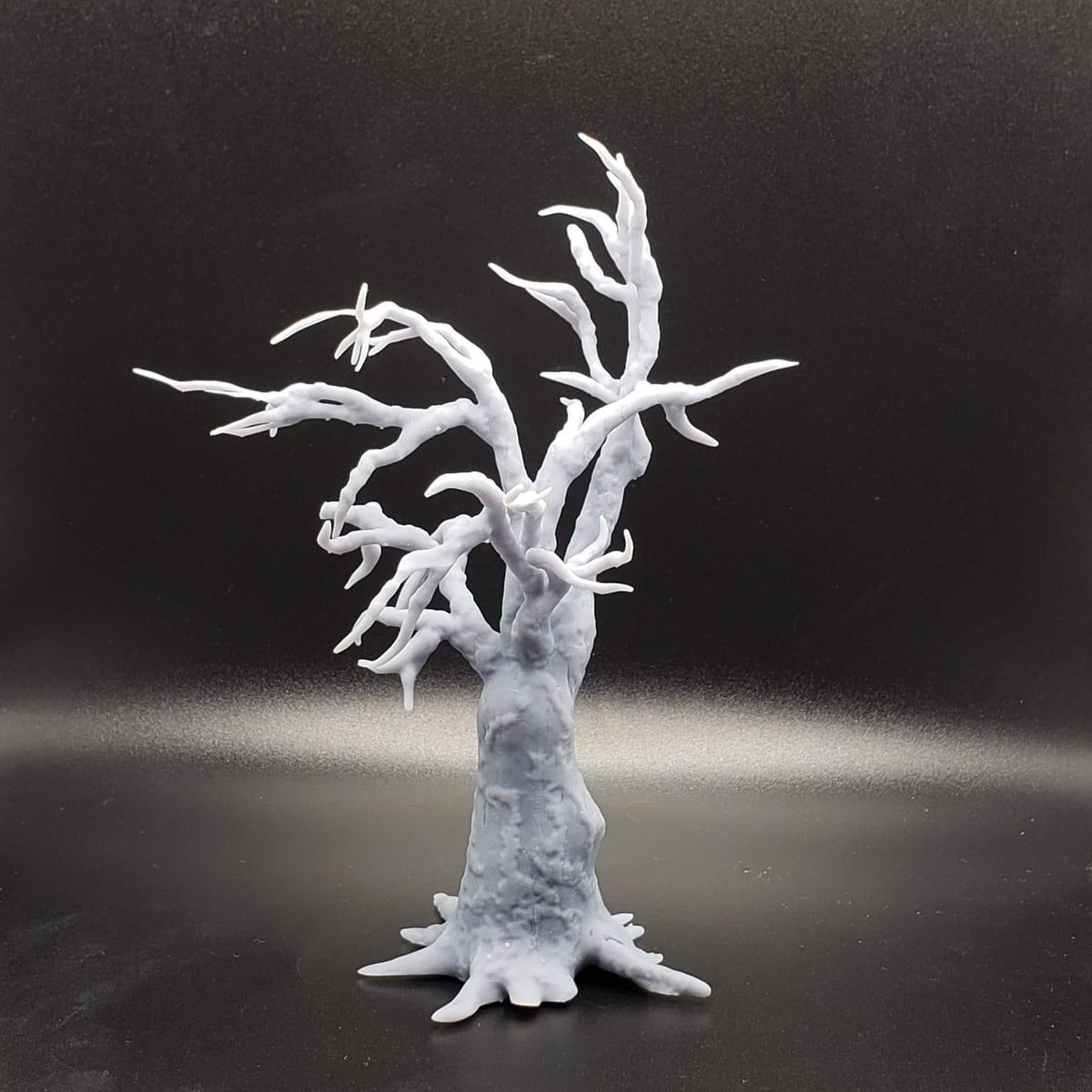
FDM printers deposit plastic in layers typically 0.1-0.2mm thick. On a 28mm miniature, those layer lines are clearly visible - especially on curved surfaces like faces and cloaks. The detail just isn't there for small figures.
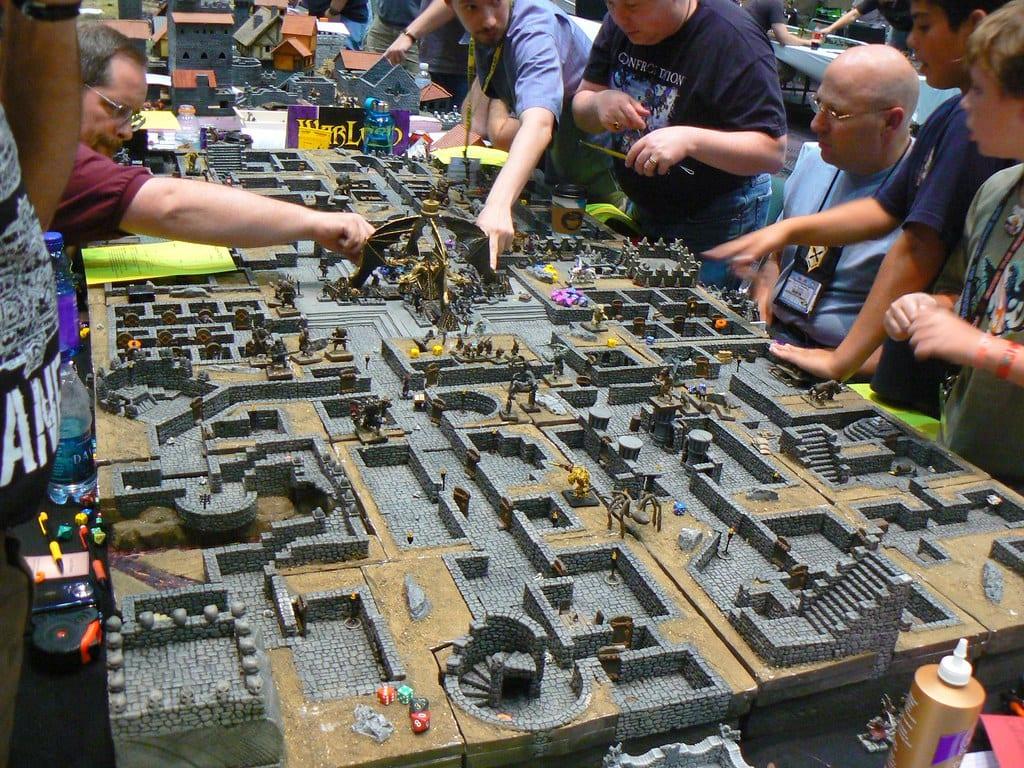
FDM is great for terrain, dungeon tiles, and larger display pieces where layer lines are less noticeable. But for character minis and small creatures, resin quality is noticeably better.
- + Dungeon tiles and terrain
- + Buildings and structures
- + Large display pieces (75mm+)
- + Functional gaming accessories
- + Character miniatures
- + Small creatures and NPCs
- + Detailed faces and weapons
- + Anything under 50mm
Final Thoughts
I'll admit there was a moment of FOMO when I realized I couldn't safely run a resin printer in my apartment. The hobby YouTubers make it look so satisfying - peeling prints off the build plate, watching the layers stack up.
But honestly? My miniature collection is better than ever. I spend zero time on failed prints, support placement, or cleaning up resin spills. Instead, I spend that time painting - which is the part I actually enjoy.
If you're in an apartment and feeling stuck, don't let printer FOMO hold you back from the hobby. Print services exist for exactly this situation, and the results are every bit as good as what you'd produce yourself - often better, since experienced printers have dialed-in settings and know how to orient miniatures for best results.