How to Price Your 3D-Printing Commission Fairly
Pricing a 3D printing commission can feel like guesswork, especially when you are just starting out. Charge too little and you burn through time and materials for minimal profit. Charge too much and potential clients walk away. This guide breaks down a practical, step-by-step method for calculating fair prices that work for both you and your customers.
1. Calculate Your Material Cost
Material cost is the foundation of any print pricing. Here is how to calculate it accurately:
Formula
Material Cost = (Filament Used in grams) x (Spool Price / Spool Weight)Example Calculation
- Print weight: 150g (from slicer estimate)
- PLA spool cost: $25 for 1kg
- Cost per gram: $0.025
- Material cost: 150g x $0.025 = $3.75
Pro tip: Add 10-15% waste factor for supports, failed prints, and purge material. For the example above, budget $4.31 instead of $3.75.
2. Factor in Print Time
Your printer is an asset that depreciates. Each hour of operation has a cost, plus there is the opportunity cost of your machine being occupied.
Recommended Hourly Rates
- Hobby printer (Ender 3, etc.): $1-2/hour
- Mid-range printer (Prusa, Bambu): $2-4/hour
- Industrial/resin printer: $5-10+/hour
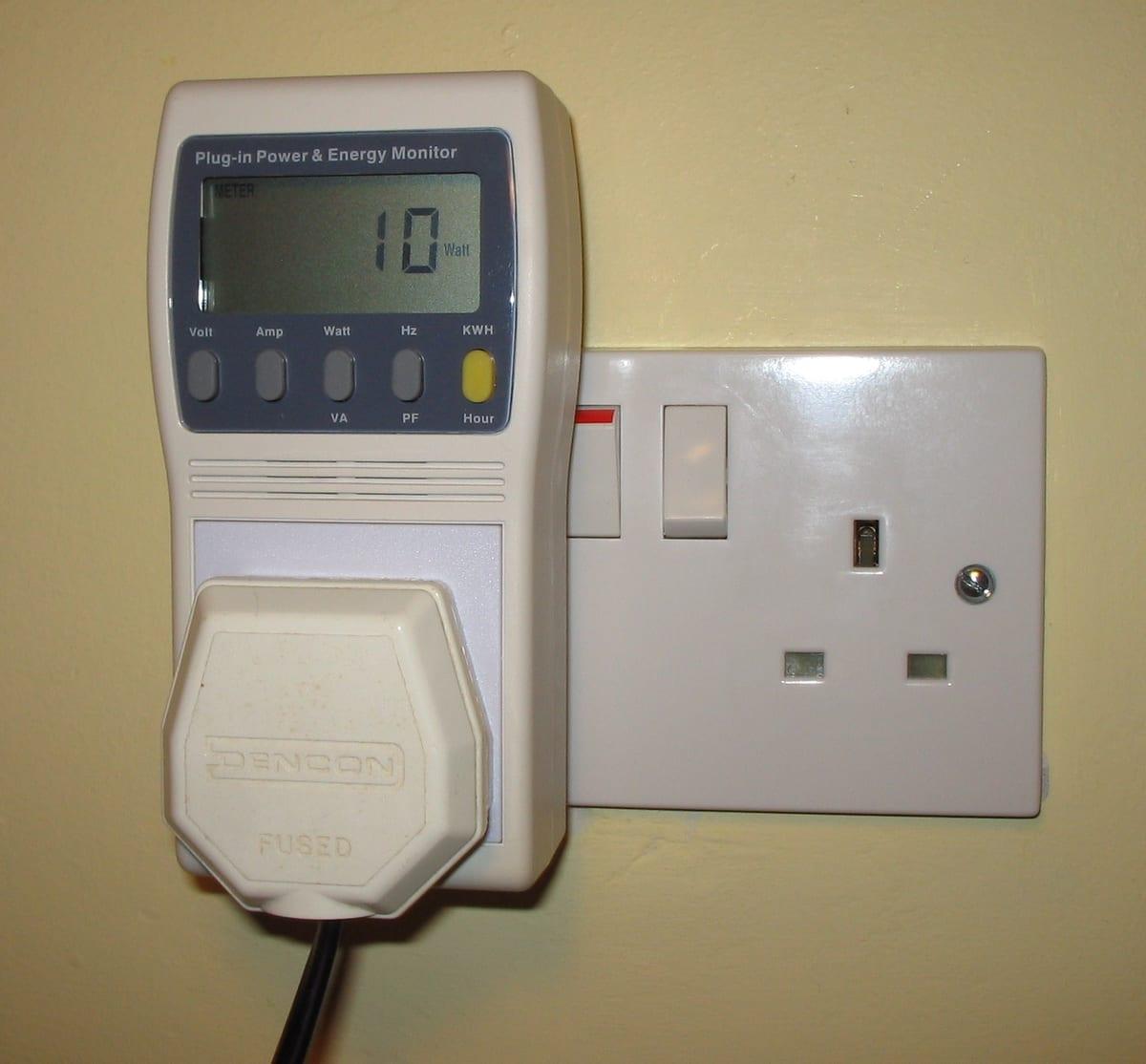
These rates account for electricity (typically $0.10-0.30/hour), wear parts like nozzles and belts, and machine depreciation over time.
Example
A 12-hour print on a mid-range printer at $3/hour = $36 for machine time.
3. Account for Design and Preparation Effort
If you are doing any work beyond pressing "print," that time has value:
- Model preparation: Fixing STL issues, adding supports, orienting ($15-30/hour)
- Custom design work: Creating models from scratch ($25-75+/hour depending on complexity)
- Post-processing: Support removal, sanding, painting ($10-25/hour)
Be Transparent
Break these costs out separately in your quotes. Clients appreciate knowing exactly what they are paying for, and it justifies higher prices for complex work.
4. Add Your Profit Margin
After covering costs, you need profit to make the business sustainable. Standard markups in the 3D printing industry:
- Simple prints: 20-30% markup
- Complex prints: 30-50% markup
- Rush jobs: 50-100% markup
- Custom design work: Built into hourly rate
5. The Complete Pricing Formula
Total Price = (Material + Machine Time + Labor) x (1 + Profit Margin) + ShippingFull Example
A custom phone stand with minor model adjustments:
- Material: $4.31 (with waste factor)
- Print time: 6 hours x $3/hour = $18
- Model prep: 30 minutes x $20/hour = $10
- Subtotal: $32.31
- Profit margin (30%): $9.69
- Final price: $42 + shipping
6. Sample Cost Breakdown
Here is a typical cost breakdown for a tabletop gaming miniature:
| Cost Category | Details | Amount |
|---|---|---|
| Filament | 25g resin @ $0.08/g | $2.00 |
| Print Time | 4 hours @ $4/hour | $16.00 |
| Post-Processing | Cleaning, curing, support removal (30 min) | $7.50 |
| Subtotal | $25.50 | |
| Profit (35%) | $8.93 | |
| Total | $34.43 |
7. Quick Reference: Minimum Prices
Even for tiny prints, you should have minimum prices to make orders worth your time:
Small prints (<50g)
$15-20 minimum
Medium prints (50-200g)
$25-40
Large prints (200-500g)
$50-100
XL prints (500g+)
Calculate individually
Recommended Reading
Continue learning with these related resources:
What Does 3D Printing Cost? Complete Price Breakdown
Understand all cost components in detail
PLA vs PETG: Which Filament is Right for You?
Choose the best material for your projects
How to Prepare Your 3D Model for Printing
Get your files ready for successful prints
Ready to Start Taking Commissions?
Put your pricing knowledge to work. Post your first project on 3DPrintBounty and connect with customers looking for quality 3D printing services.