Craftcloud Review: Is It Worth It? Plus Alternatives
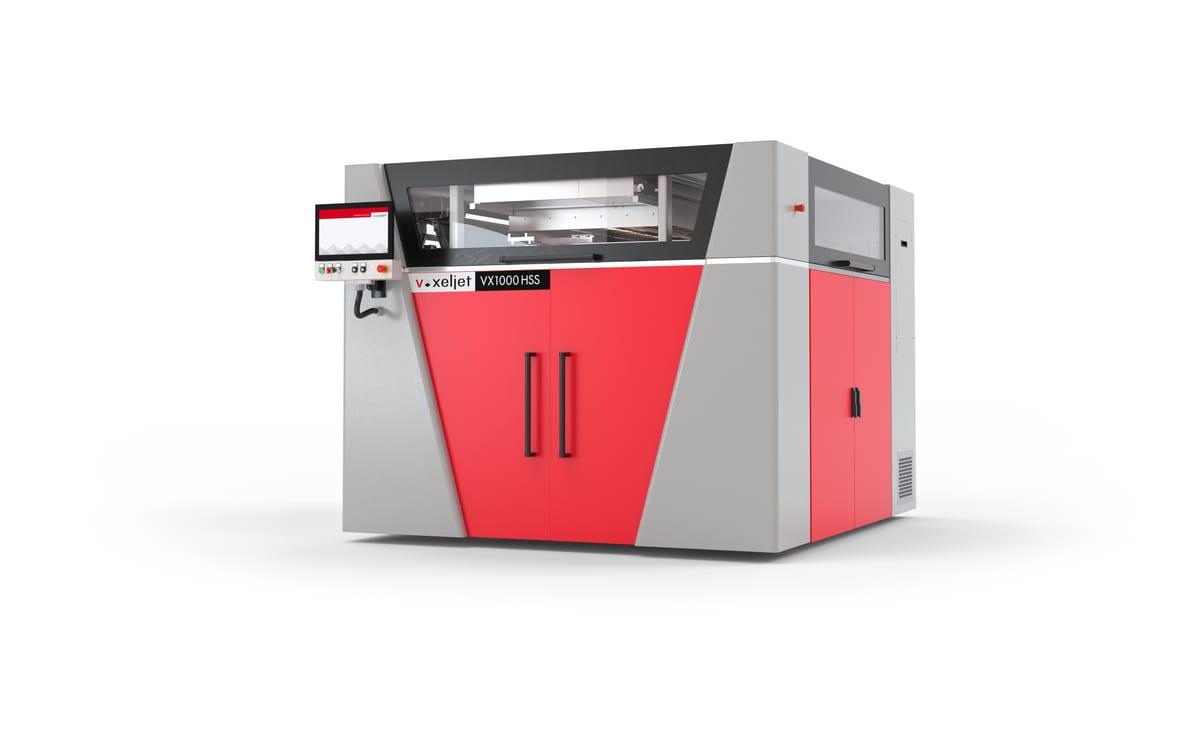
Craftcloud is the ordering side of All3DP, the 3D printing publication most people have read a buyer's guide on. You upload a file, choose a material, and instead of one price you get a list of quotes from printing services around the world, each with a delivery estimate. Pick one, pay, and the part turns up.
That is a genuinely useful thing to exist, and for some jobs it is the correct answer. For others it is the wrong shape entirely. This is an honest read on which is which, including the things we could not verify and are not going to assert.
Is Craftcloud worth it?
Yes, if you need an industrial process: expect $35–120 for a palm-size SLS or MJF nylon part and $150–600 in DMLS metal, which no desktop machine can produce. No, below roughly $25 of part value, where a local maker wins on price and speed. Craftcloud is All3DP's aggregator and prints nothing itself.
Last verified: August 2026
Key takeaways
- •Craftcloud is an aggregator whose parent company is All3DP, founded in 2014 and based in Munich. It compares quotes from a network of partner printing services and does not operate printers itself.
- •Its homepage headline figures are 95 countries, 31 printing technologies and 200+ materials, but the same page also says more than 20 technologies and over 100 materials, and its partner count reads as more than 150 on the homepage against more than 180 on its own partner directory (checked August 2026).
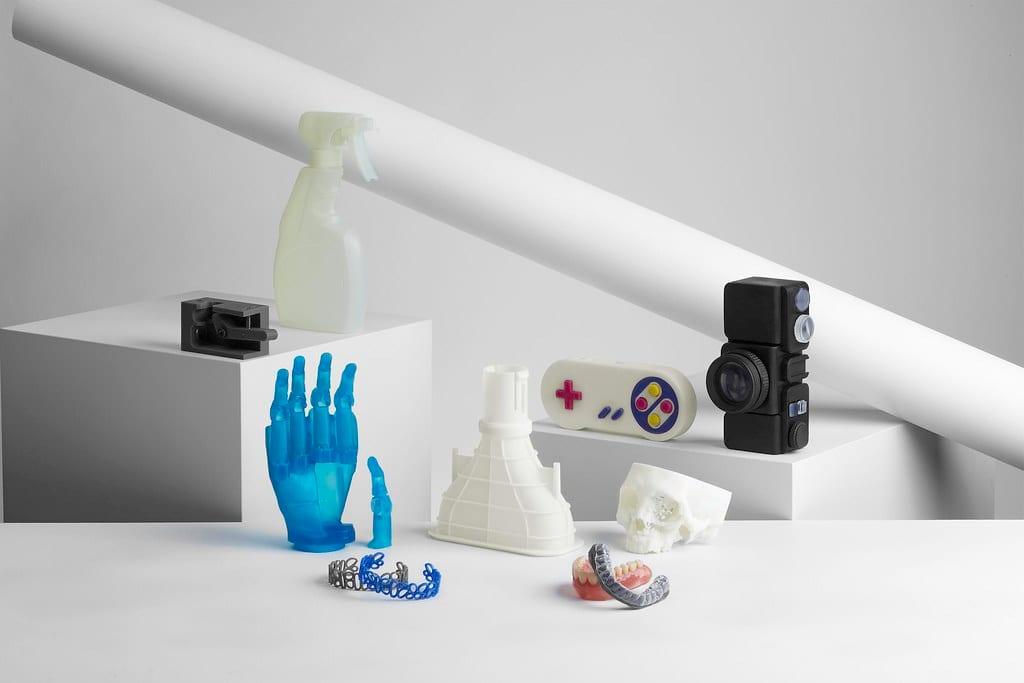
- •Its strongest use case is industrial processes: SLS and MJF nylon, DMLS metal, full-colour and material jetting, none of which a desktop machine can produce.
- •It requires a print-ready file. Automated quoting works from geometry, so a photo of a broken part gets you nothing.
- •Indicative August 2026 pricing for a palm-size part across online bureaus: $8-30 FDM, $20-70 resin, $35-120 SLS/MJF nylon, $150-600 DMLS metal.
- •Craftcloud states it adds no service fee or markup to partner prices. We cannot audit that, and we do not assert a margin below. Its reprint policy (14-day claims, photo evidence) and its exclusion of import duties are both published; the partner count and the vetting standard are not consistent or not stated.
How Craftcloud Actually Works
Craftcloud is a marketplace, not a factory. The flow is: upload a 3D file, choose a technology, material and finish, and the platform returns a list of offers from partner manufacturing services. Each offer shows a price, an estimated delivery date and the provider. You choose one, check out once, and Craftcloud routes the order to that partner to print and ship.
Process coverage is the headline feature. Between the partners in the network you can reach FDM, SLA and DLP resin, SLS and MJF nylon, metal powder-bed fusion, binder jetting and full-colour printing, plus post-processing options like dyeing and polishing. That is considerably wider than any single bureau offers, and far wider than any desktop machine.
The trade-off is that you are one step removed from whoever runs the machine. You choose a provider from a list, but you are not briefing them beforehand, and the platform sits between you and them for anything that goes wrong.
Indicative price for a palm-size part by process
A palm-size part costs roughly $8-30 in FDM, $20-70 in resin, $35-120 in SLS or MJF nylon, and $150-600 in DMLS metal. The process choice moves the price far more than the platform does.
| process | Typical low | Typical high |
|---|---|---|
| FDM (PLA/PETG) | $8 | $30 |
| SLA / DLP resin | $20 | $70 |
| SLS / MJF nylon | $35 | $120 |
| Full colour | $40 | $140 |
| DMLS metal | $150 | $600 |
Source: Indicative ranges observed across published online-quoting 3D printing service bureaus for a part roughly 50-80mm in its longest dimension, August 2026. Presented as ranges because geometry, wall thickness and part volume dominate the quote.
Where Craftcloud Is Genuinely the Right Tool
You need a process no hobbyist can run. SLS and MJF nylon parts are isotropic, support-free and tough in a way FDM is not. Metal powder-bed fusion is not something anyone runs in a spare room. If your part needs one of those, an aggregator saves you the work of finding and vetting a bureau that has the machine.
You want to compare a lot of options from one upload. Getting six quotes manually means six upload forms, six accounts and six email threads. That is the concrete time saving, and it is real.
You are testing the same file in several materials. Seeing the same geometry priced across FDM, resin and nylon side by side is a useful engineering decision aid, not just a shopping one.
You want one invoice and one support contact. Ordering directly from a manufacturer in another country means dealing with their terms, their currency and their shipping. A platform absorbing that has real value. Note that it does not absorb customs: their terms make you the importer of record, so duties land on you either way.
Where It Is the Wrong Shape for the Job
Cheap one-off FDM parts. This is the big one. A 40g PLA bracket is a few dollars of machine time, and shipping it from a partner on another continent can cost more than the part. Below roughly $25 of part value, the economics stop making sense and a local maker wins on both price and speed.
Anything without a file. Automated quoting starts from geometry. If what you have is a snapped appliance clip, a set of calliper measurements and a photo, there is nothing to upload. That is not a criticism of Craftcloud, it is simply outside what an aggregator does. Our guide on what to do with STL files when you have no printer covers the file-in-hand case; the no-file case needs a person.
Jobs that need judgement. A cosplay pauldron that has to fit a specific shoulder, a replacement part where someone should physically compare against the original, a model that needs sanding and painting to a standard rather than to a spec. Automated quoting has no way to represent "make it look right".
Tight deadlines. Quoted print time is not delivery time. Once international shipping is included, a two-day print can be a two-week delivery, and customs adds variance you cannot plan around.
Order to doorstep, by route
A local independent maker typically delivers in 3-8 days. An international partner order is more like 7-18 days once shipping is counted, and metal powder-bed work 10-25 days.
| route | Days (low) | Days (high) |
|---|---|---|
| Local independent maker | 3 | 8 |
| Domestic service bureau | 5 | 12 |
| International partner | 7 | 18 |
| Metal DMLS | 10 | 25 |
Source: Ranges combining published production lead-time estimates from online 3D printing services with typical carrier transit times, August 2026. Estimates, not guarantees; customs clearance adds variance on international orders.
What Craftcloud publishes, and what it does not
We are a competitor, so we are going to be strict about this. Everything below was read off Craftcloud's own live pages in August 2026, and where we could not confirm something we say so rather than guessing.
Published, and clearer than we expected:
- It says it takes no cut at all. Craftcloud's help centre states it “does not add any service fees or hidden markups” and that the prices shown are the partners' own rates. We cannot independently audit that, and we are not going to assert a margin exists when the company publicly says it does not. The one percentage they do publish is a penalty, not a commission: their terms set a handling fee of up to 7% of order value if your model turns out not to be printable by the partner you picked, if you change the spec after acceptance, or if you refuse delivery.
- The reprint and refund policy. Claims run within 14 days of delivery, need photographic evidence, and are void if you sand, paint or use the parts. Refunds are processed in 3–5 business days. Change of mind after production starts is not covered, and a refused package can attract reshipping plus that 7% handling fee.
- Import duties are excluded. Their terms price everything except taxes and duties on import, and their help centre is blunt that the customer is the importer of record and Craftcloud “cannot calculate, predict, or prepay” those fees. Budget for them separately on any cross-border order.
- No minimum order, and partners are described as “hand-selected and thoroughly evaluated” on service history and pricing.
Genuinely unclear, or contradicted:
- The partner count, which appears two different ways on their own properties — “more than 150 professional services worldwide” on the homepage, against “more than 180 manufacturing partners” on the partner directory. Treat any single figure with caution, including ours.
- The technology and material counts contradict each other on one page. The homepage headline figures are 31 technologies and 200+ materials; further down the same page it says more than 20 technologies and over 100 materials.
- What the vetting actually involves. There is no published audit standard, so we cannot tell whether that is an independent audit or a review of self-declared capability.
- How many quotes a given upload returns. They say you see all available binding quotes, but publish no number, and the “ships in 24–48h” badge sits against help-centre wording that all lead times are estimates.
Check the ones that matter to you before ordering something expensive. If any competitor review states a commission rate confidently without a source, treat the whole review with suspicion.
The Alternatives, and What Each Is For
There are three genuinely different models here, and picking the wrong one is what makes people conclude that "3D printing services are expensive" when they simply used an industrial supply chain to make a phone stand.
| Aggregator (Craftcloud) | Direct bureau | Bidding marketplace | |
|---|---|---|---|
| Who prints it | A partner service you pick from a quote list | The company itself (Shapeways, Sculpteo, Xometry, Protolabs Network, JLC3DP) | An individual maker who bid on your job |
| How price is set | Automated quotes from many providers, compared side by side | One automated quote, that firm's rates | Makers compete on a description you wrote |
| Do you need a file | Yes, print-ready | Yes, print-ready | No. Photos, measurements or a description are enough to start |
| Industrial processes | Broadest coverage: SLS, MJF, metal, full colour | Strong, but limited to that firm's machines | Mostly FDM and resin. Not the tool for metal |
| Talking to the printer | Through the platform | Support ticket | Direct messages before and during the job |
| If it comes out wrong | Published 14-day claim process with photo evidence, after you have already paid | That firm's reprint policy | On our platform, funds stay in escrow until you approve photos |
Where We Fit, and Where We Do Not
We run a bidding marketplace, so treat this section as what it is. Two things we do that an aggregator structurally cannot:
Payment sits in escrow until you approve photos. A maker uploads pictures of the finished part and the money only moves when you accept them. On any aggregator you pay at checkout and rely on a dispute process afterwards. For a $400 metal part from a vetted industrial supplier that is a reasonable trade. For a $40 job from a provider you have never dealt with, seeing it before paying is worth more.
Makers bid on your description, not just your geometry. That means jobs with no file yet are workable: post the photos and measurements of a broken part, and people who can model it will quote on modelling plus printing together.
And the honest limits. If you need SLS nylon, MJF, DMLS metal, full-colour printing, an ISO-certified supplier, or 500 identical units, we are not the right platform and Craftcloud or a direct bureau is a better answer. Hobbyist machines do not do those things, and pretending otherwise would waste your week. For costs across every route, our 3D printing cost guide lays out the full picture, and the cost calculator will price the material side of your own file in about a minute.
Frequently asked questions
What is Craftcloud and how does it work?
Craftcloud is an online 3D printing marketplace operated by All3DP, the 3D printing publication. You upload a print-ready file, pick a material and finish, and it returns quotes from a network of partner manufacturing services with prices and estimated delivery dates. You order and pay through Craftcloud; the partner you select prints and ships the part. Craftcloud does not print anything itself.
Is Craftcloud worth it?
It is worth it when you have a print-ready file and need an industrial process that hobbyist machines cannot run, such as SLS or MJF nylon, DMLS metal, or full-colour printing. Comparing quotes across many providers from one upload genuinely saves hours. It is a poor fit for cheap FDM parts, where shipping often exceeds the part price.
Is Craftcloud cheaper than ordering direct from a print service?
Sometimes, because you see several providers competing on the same file rather than a single bureau list price. Craftcloud states it adds no service fee or markup and that you see the partners’ own rates, which we cannot independently audit either way. Treat it as a price-discovery tool rather than an automatic discount, compare the winning quote against one direct bureau, and remember import duties are excluded from the quoted price on cross-border orders.
What are the alternatives to Craftcloud?
Direct service bureaus such as Shapeways, Sculpteo, Xometry, Protolabs Network and JLC3DP for industrial processes; local independent makers or a bidding marketplace for one-off FDM and resin work. The dividing line is your file: aggregators need a print-ready model, while a maker can work from photos, measurements or a description.
Can I get a part made if I do not have a 3D model?
Not through Craftcloud or any other aggregator. Automated quoting starts from geometry, so no file means no quote. You need someone who will model it, which means either paying a freelance CAD designer separately or posting the job somewhere makers can bid on modelling and printing together.
Get Competing Bids on Your Job
Post what you need, with or without a file. Makers read the description and bid, you message them before choosing, and your payment stays in escrow until you have seen photos of the finished part and approved them.