Local 3D Printing Services: How to Vet One First
Searching "local 3D printing services" returns a strange mix: a public library two miles away, a sign shop that also does laser engraving, an engineering bureau with a minimum order, and three individuals on Facebook Marketplace. All four will happily take your money. Only some of them will produce a part you can actually use.
This is the vetting process we would run before handing anyone a file, built around the things that most often go wrong on a custom print job. It takes about ten minutes and it is the difference between a $30 part and a $30 lesson.
How do you vet a local 3D printing service before you pay?
Send six questions: printer and material, layer height, bed orientation, whether supports touch a visible face, the reprint policy, and what the price includes. Ask for photos of three finished jobs like yours. A competent operator answers in two minutes. Never pay 100% up front — a materials deposit is normal, the balance after you see your part.
Last verified: August 2026
Key takeaways
- •Six questions (printer and material, layer height, bed orientation, support marks on visible faces, reprint policy, what the price includes) surface almost every problem before it becomes a dispute. A competent operator answers all six in two minutes.
- •Ask for photos of three finished jobs structurally similar to yours. A portfolio of downloaded Benchies and articulated dragons proves the printer works, not that the operator can hit a dimension.
- •Five red flags are worth walking away over: full payment up front, a downloads-only portfolio, no question about your tolerances, a quote given without seeing the file, and "I can print anything".
- •Never pay 100% up front. Staged payment or escrow is standard practice and any established service will already offer it.
- •Get the failure rule in writing in two sentences: who pays for a reprint when the print fails, and who pays when the model turns out to be wrong. They are different situations needing different answers.
Who Actually Counts as a Local 3D Printing Service
There are five distinct kinds of provider hiding behind that one search phrase, and they are not competing with each other. Knowing which one you are talking to tells you what to expect before you ask a single question.
| Provider | Best for | The catch |
|---|---|---|
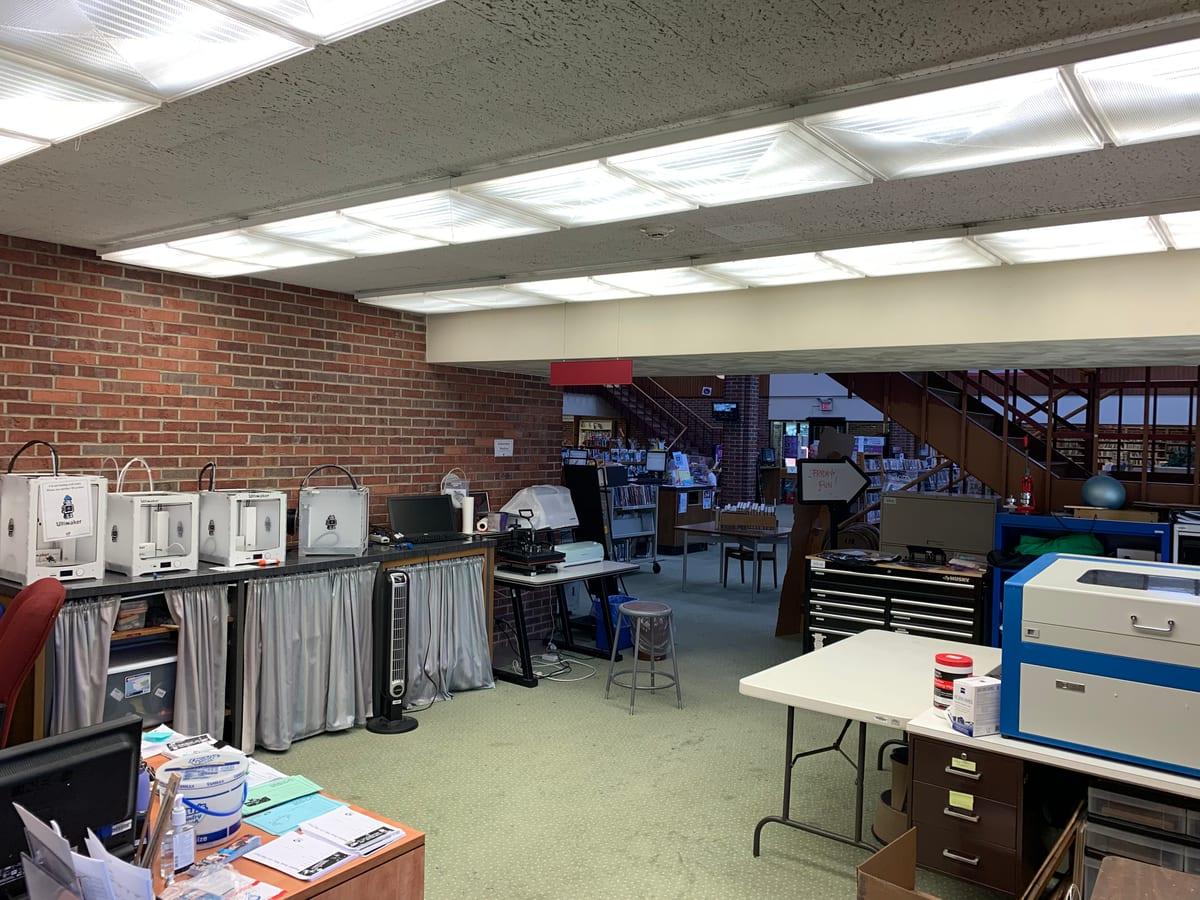
| Public library makerspace | Simple PLA parts, one-offs, learning what your file will look like | Queues, per-job print-time caps, no design help, and usually no guarantee if the print fails |
| University or college lab | Better machines than a library, sometimes resin and nylon too | Frequently restricted to students and staff; term-time only in many cases |
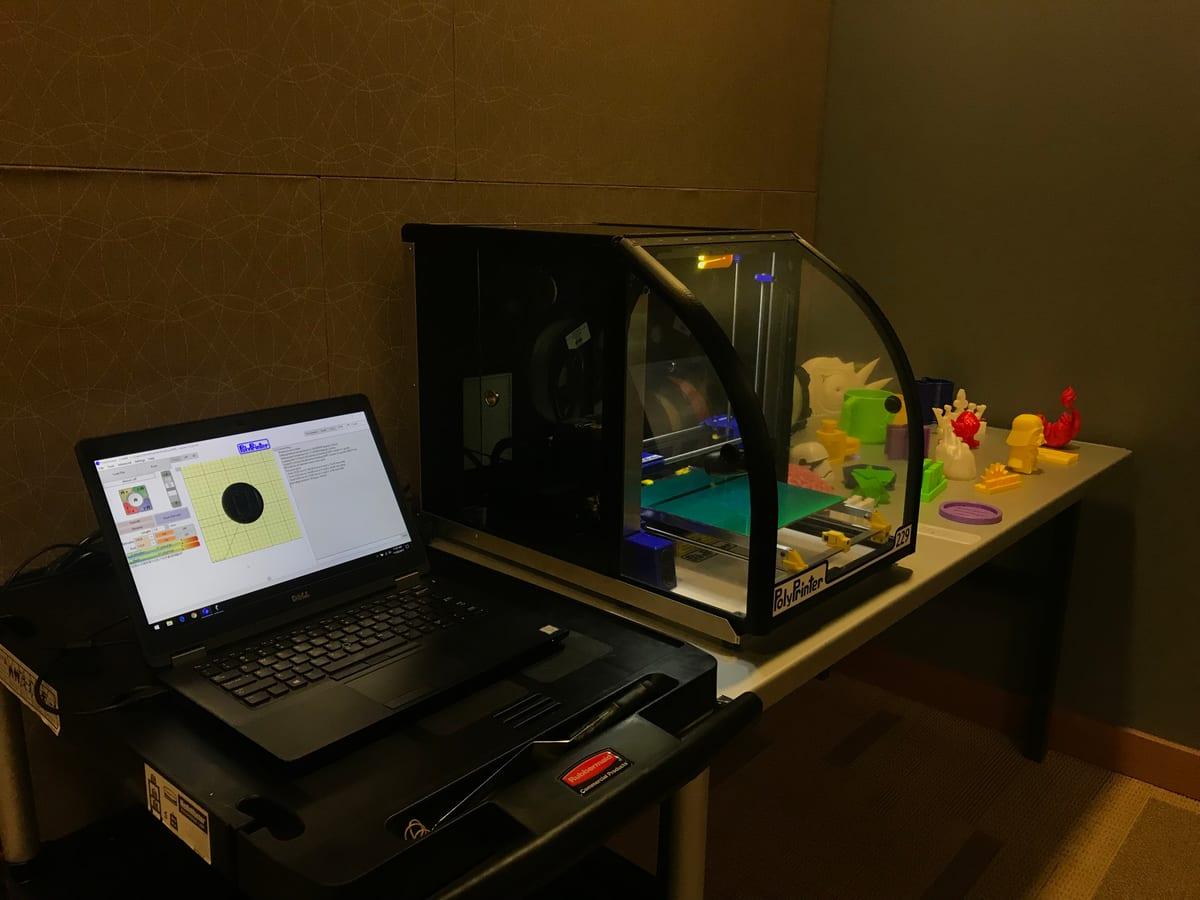
| Independent maker | Most consumer jobs. Fast, flexible, will talk through the design with you | Quality varies enormously. This is the category that most needs vetting |
| Sign / print / engraving shop | Walk-in convenience, invoicing, business hours you can rely on | 3D printing is often a side line run by whoever is free. Ask who actually operates the machine |
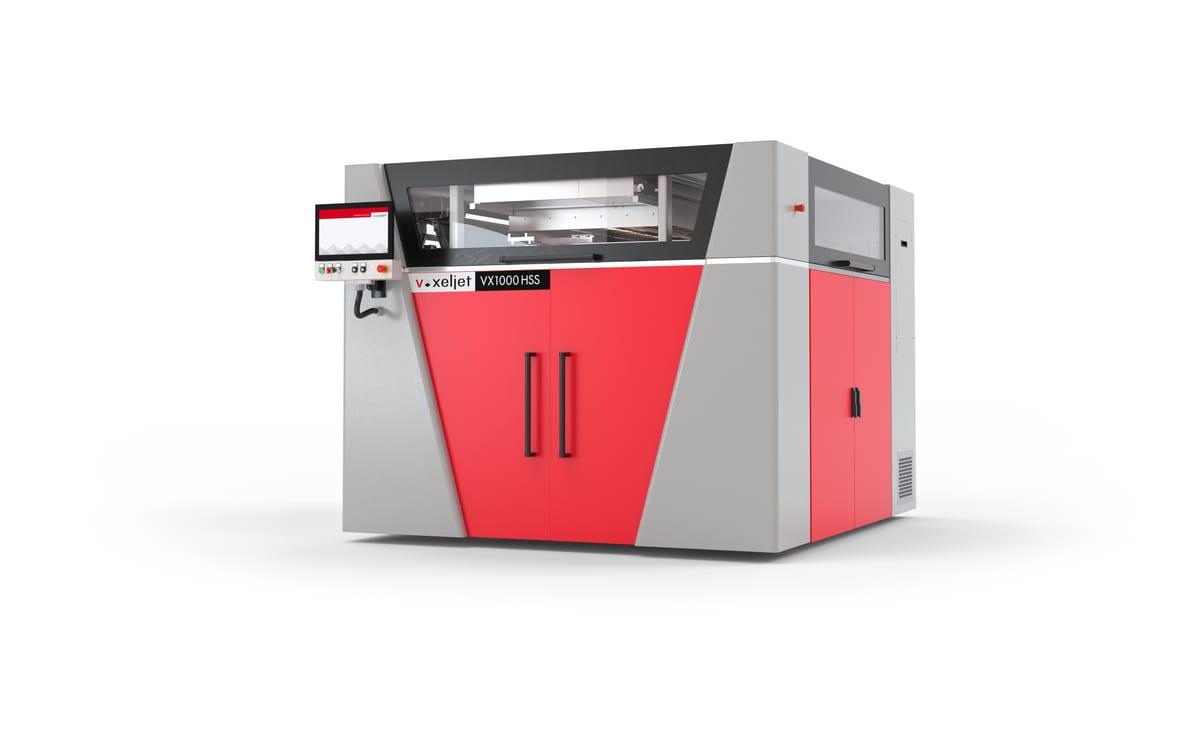
| Prototyping job shop | Engineering tolerances, certified materials, batch runs, documentation | Minimum order values and setup fees that dwarf a hobby job. Often $75-150 minimum |
Knowing which category you are dealing with sets your expectations, but it does not tell you whether this particular operator is any good. A library and a job shop both contain careful people and careless ones. The rest of this page is the check that separates them, and it works the same on all five categories.
One thing worth doing before you contact anybody: get a rough sense of what the job should cost, so you can tell a fair quote from a brush-off. Our guide to what custom 3D printing costs breaks a quote into its parts, and the 3D printing cost calculator prices the material and machine time for a given part weight in about a minute.
The Six Questions to Ask Before You Pay
Send these six as a single message. The answers take a competent operator two minutes and tell you almost everything.
1. Which printer and material would you use, and why? You are not checking the brand. You are checking that they have a reason. "PETG on the P1S because your part lives outdoors and PLA will sag in a car" is a reason. "Whatever's loaded" is not.
2. What layer height? 0.2mm is the sane default. 0.28-0.3mm is legitimate for hidden or structural parts and should come with a lower price. 0.12mm is legitimate for visible detail and should come with a higher one. A quote that does not change with layer height has not been thought about.
3. How will the part be oriented on the bed? Orientation decides where the layer lines run, and layer lines are where FDM parts break. For anything that takes load, the answer should mention the direction of the force.
4. Will supports touch a visible face? Support scarring is the single most common complaint about finished parts. Ask before, not after.
5. What happens if it fails or does not fit? A real service reprints at their cost when the failure is theirs, and charges you when the model is wrong. Both halves of that sentence should be in the answer.
6. What does the price include? Support removal, light sanding, and packaging are sometimes included and sometimes billed. Find out which before you agree.
Red Flags That Are Worth Walking Away Over
Most bad experiences are visible before money changes hands. These are the signals worth acting on:
Full payment up front on a first job. A deposit is normal. One hundred percent before a single gram is extruded is not, and it removes your only leverage.
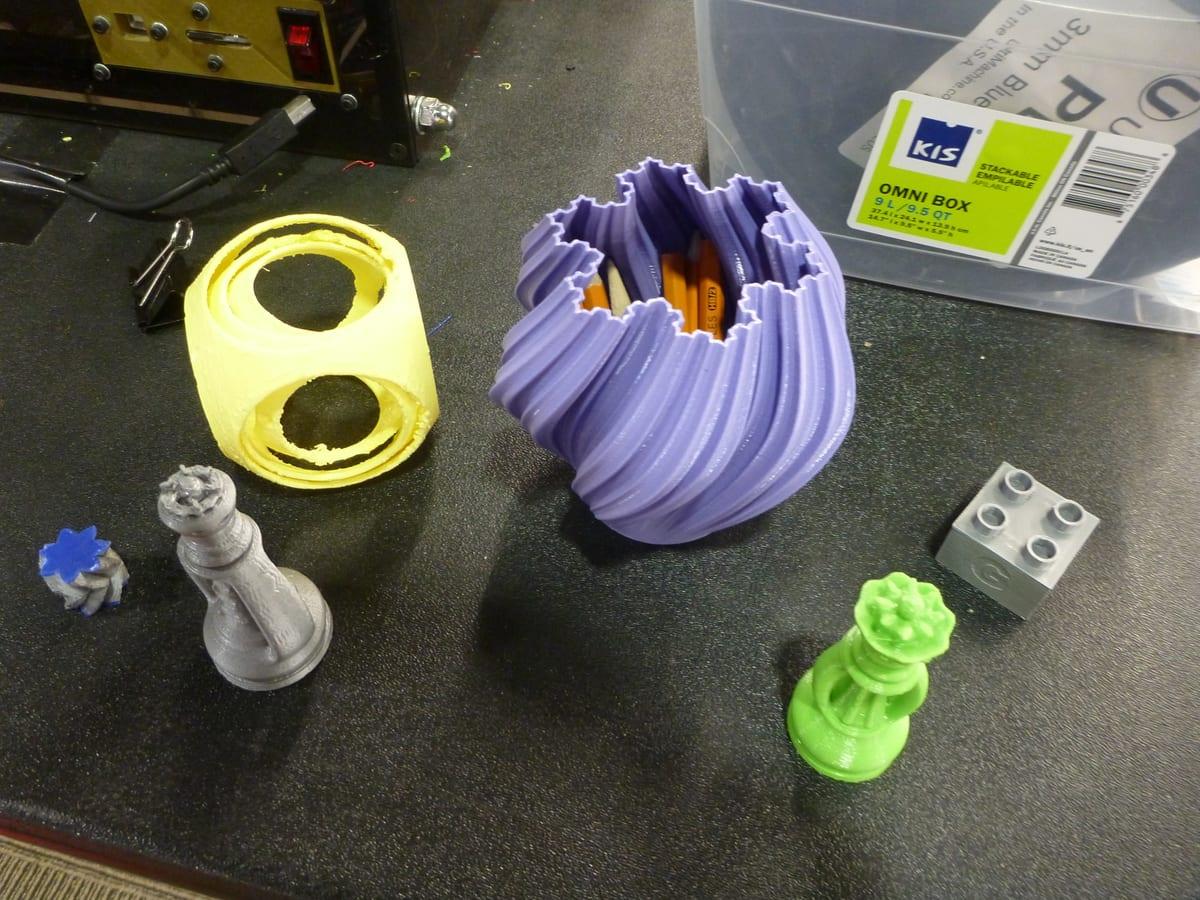
A portfolio of downloaded models only. Everyone has printed a Benchy and an articulated dragon. Those show the printer works, not that the operator can hit a dimension. Ask for a functional part they made for a paying customer.
No question about your tolerances. If your part has to fit something and nobody asks how tightly, the fit is being left to chance. A sliding fit on FDM wants about 0.3mm of total diametral clearance, as our tolerances guide sets out, and a service that has never thought about that number will discover it on your part.
A quote given without seeing the file. Price scales with volume, print time and support material. Anyone quoting from a photo is guessing, and the guess gets revised upward later.
"I can print anything." Nobody can. A good operator will tell you the part is too big for their bed, or that your geometry needs resin, or that they do not do TPU. Being told no is a quality signal.
Typical turnaround in days by provider type
Use this as a vetting check rather than a shopping list. A provider promising a two-day turnaround when its whole category runs 5-15 days is either exceptional or not counting the queue, and it is worth asking which before you commit.
| provider | Fastest typical | Slowest typical |
|---|---|---|
| Library makerspace | 3 | 14 |
| University lab | 5 | 21 |
| Independent maker | 2 | 7 |
| Online marketplace | 3 | 10 |
| Prototyping job shop | 5 | 15 |
Source: Indicative ranges from published makerspace policies and independent maker quotes, August 2026. Queue lengths vary sharply by city and season.
When Local Is Genuinely Better, and When It Is Not
Local wins on four things and only four things: size, because a 400mm part costs more to ship than to print; fragility, because thin printed parts arrive broken more often than anyone admits; urgency, because same-day pickup exists and same-day shipping mostly does not; and measurement, because handing someone the broken bracket beats describing it over email.
Everything else is a price and vetting question, and distance stops mattering the moment the part fits in a padded envelope. If you are weighing the two, our guide to finding 3D printing near you walks through the geography side in more depth.
The honest version: for a small functional part with no deadline, local is usually the more expensive option, and the convenience you are paying for is mostly psychological. For a 300mm cosplay pauldron or a replacement panel you need to test-fit twice, local is worth every dollar of the premium.
How to Pay Without Getting Stuck
The unhappy version of this story always ends the same way: the customer paid in full, the part arrived wrong, and there is no mechanism left to fix it. Three habits prevent it.
Split the payment. A deposit that covers material plus a balance on completion is standard and no reputable service objects to it. On our own platform the whole amount sits in escrow and is released only after you approve photos, which is the same idea with the awkward conversation removed.
Ask for a photo before shipping or pickup. Thirty seconds of the maker's time, and it catches wrong colour, wrong scale and support scarring while the part is still on their bench.
Agree the failure rule in writing. Two sentences in a message thread is enough: who pays for a reprint when the print fails, and who pays when the model turns out to be wrong. Those are different situations and they need different answers.
If you want to compare what several makers would charge before committing to any one of them, posting the job and collecting bids is faster than emailing five shops individually, and it gives you the price spread in one place. Our 3D printing cost guide explains what should and should not be in a quote so you can read those bids properly.
Frequently asked questions
How do I check whether a local 3D printing service is any good?
Ask for photos of three finished jobs similar to yours, ask which printer and material they would use and why, and ask what happens if the part fails. A service that answers all three specifically is worth a quote. One that answers in generalities is quoting on hope. Never pay in full before you have seen a photo of your actual part.
What should a local 3D printing service cost?
Wide enough that you need a reference point before you can judge a quote. For a single 100g PLA part, roughly $5-25 at a public library makerspace, $25-60 from an independent local maker, and $75-200 from a prototyping job shop quoting engineering rates. The spread is mostly labour, machine time and minimum order charges rather than plastic, which is about $2-3. Treat a quote far outside the band for that provider type as a question to ask, not automatically a rip-off.
Is a library makerspace a real option for getting something printed?
Yes, for simple PLA parts, if you can wait. Many US public libraries run 3D printers at material cost, commonly $0.05-0.25 per gram, and some require you to attend a short orientation first. Queues of one to two weeks are normal, staff usually will not model anything for you, and most cap a single job at two to four hours of print time.
What questions should I ask before paying a local printer?
Six: which printer and material, what layer height, how the part will be oriented, whether supports will leave marks on a visible face, what the reprint policy is if it fails, and what the total price includes. If any answer is vague, get a second quote. Between them these six settle the things people argue about after the part arrives.
Is local always better than an online 3D printing service?
No. Local wins when the part is large, fragile, urgent, or needs hand-off measuring against a physical object. Online wins on price, on material choice, and on any part small enough to ship cheaply. If the part fits in a padded envelope, distance stops mattering and you are choosing on price and vetting quality alone.
Get Competing Quotes Instead of Chasing Shops
Post your part once and let vetted makers bid on it. You see their previous work and ratings before you choose, your payment stays in escrow, and it is only released after you have approved photos of the finished part.