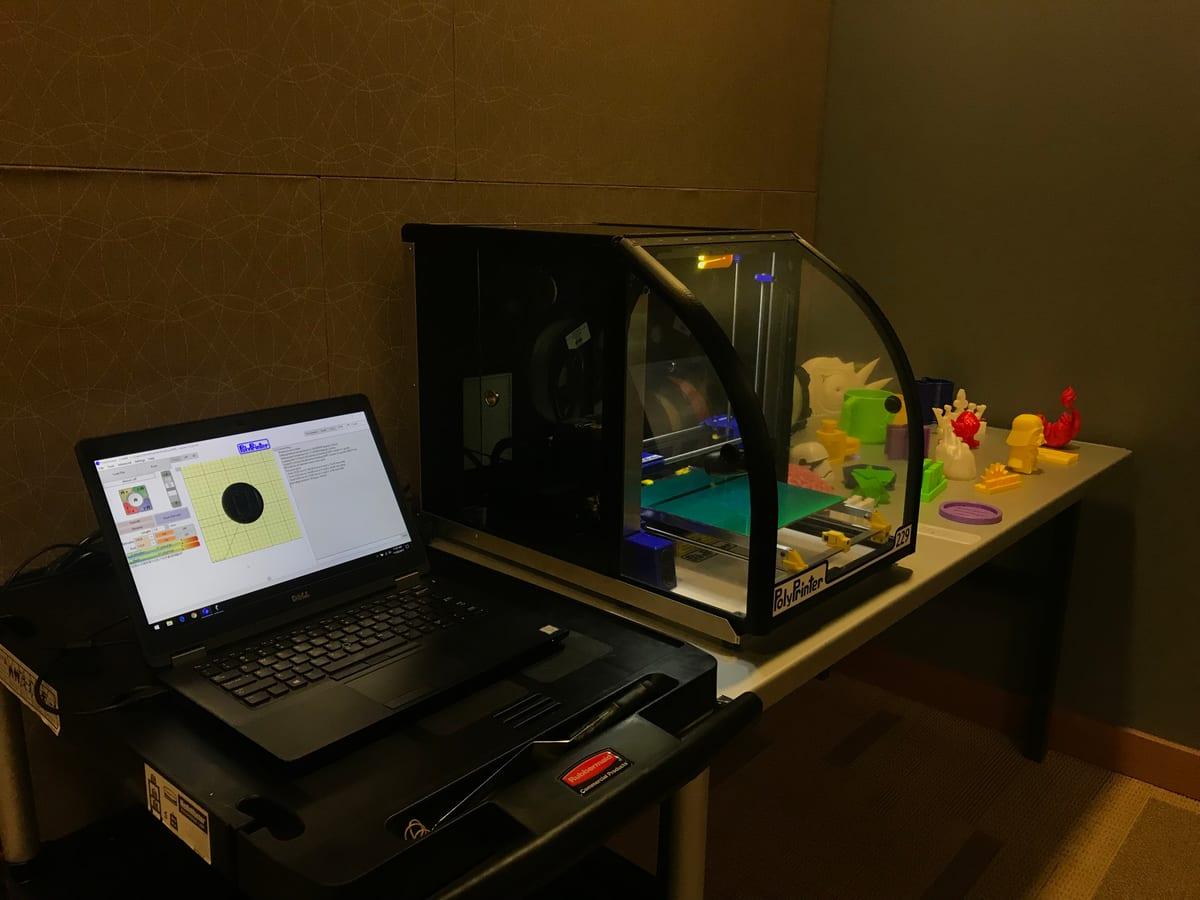
Custom 3D Printing Near Me: What It Costs and How to Spec It
Search "custom 3D printing near me" and you get a map pin on a public library, a sign shop that owns one printer, a dental lab that will not talk to you, and an engineering firm whose minimum order is $150. None of those pages tells you what your part costs, which is the only thing you wanted to know.
This page is about the quote itself: what a custom job actually costs, which line items move it, and exactly what to write down so the number you get back is the number you pay. If what you want first is a comparison of the local options and how to find them, our guide to 3D print shops near you covers that side.
How much does custom 3D printing near me cost?
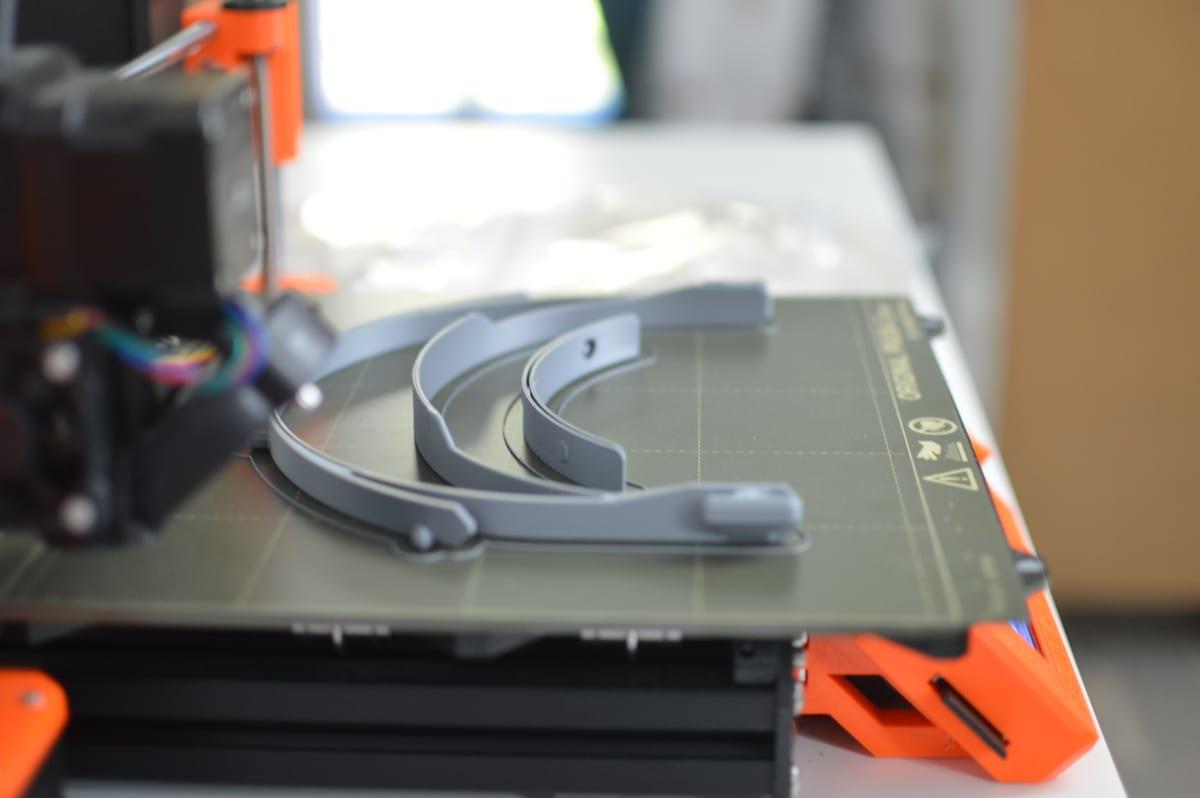
A one-off custom 120-gram, 8-hour PETG part runs about $28-72 from an independent maker, and the filament is only $3-4 of that. Machine time at $12-24 and setup plus finishing at $8-32 are what you are really paying for. With no file yet, add $40-150 for modelling. A job shop starts at $75-200.
Last verified: August 2026
Key takeaways
- •Filament is the smallest line in a custom quote. A 120g part costs $2.28-3.60 in PLA and $7.20-10.80 in PA6-CF nylon; everything else in the quote is time.
- •Setup, slicing and plate prep cost the same whether the part is $8 or $80, which is why minimum order charges exist and why one-off jobs feel expensive per gram.
- •Supplying a print-ready file rather than a photo removes $40-150 of CAD work from the quote. It is the single largest saving available to you.
- •A commercial job shop rarely quotes under $75 for a single part because a $50-150 minimum order lands before anything is printed.
- •The most common cause of delay is a missing dimension, not a missing printer. Specify the critical dimensions, the load direction and the material reason up front.
How Each Channel Prices a Custom Job
Five different businesses answer to "custom 3D printing", and they do not price the same way. One charges you by the gram, one by the month, one by the part and one by the hour of an engineer's time. Knowing which pricing model you are walking into tells you what your job will cost before anyone quotes it.
| Channel | How it charges | Catch |
|---|---|---|
| Public library makerspace | $0.05-0.25 per gram, or $1-3 per printer hour. Machine time often free. | Self-serve, queue of days to weeks, small build volumes, no design help. |
| Membership hackerspace | $40-125 a month, machines free at point of use, bring your own filament. | Only worth it if you will use it monthly. Most require a $20-60 orientation class before you can touch a machine. |
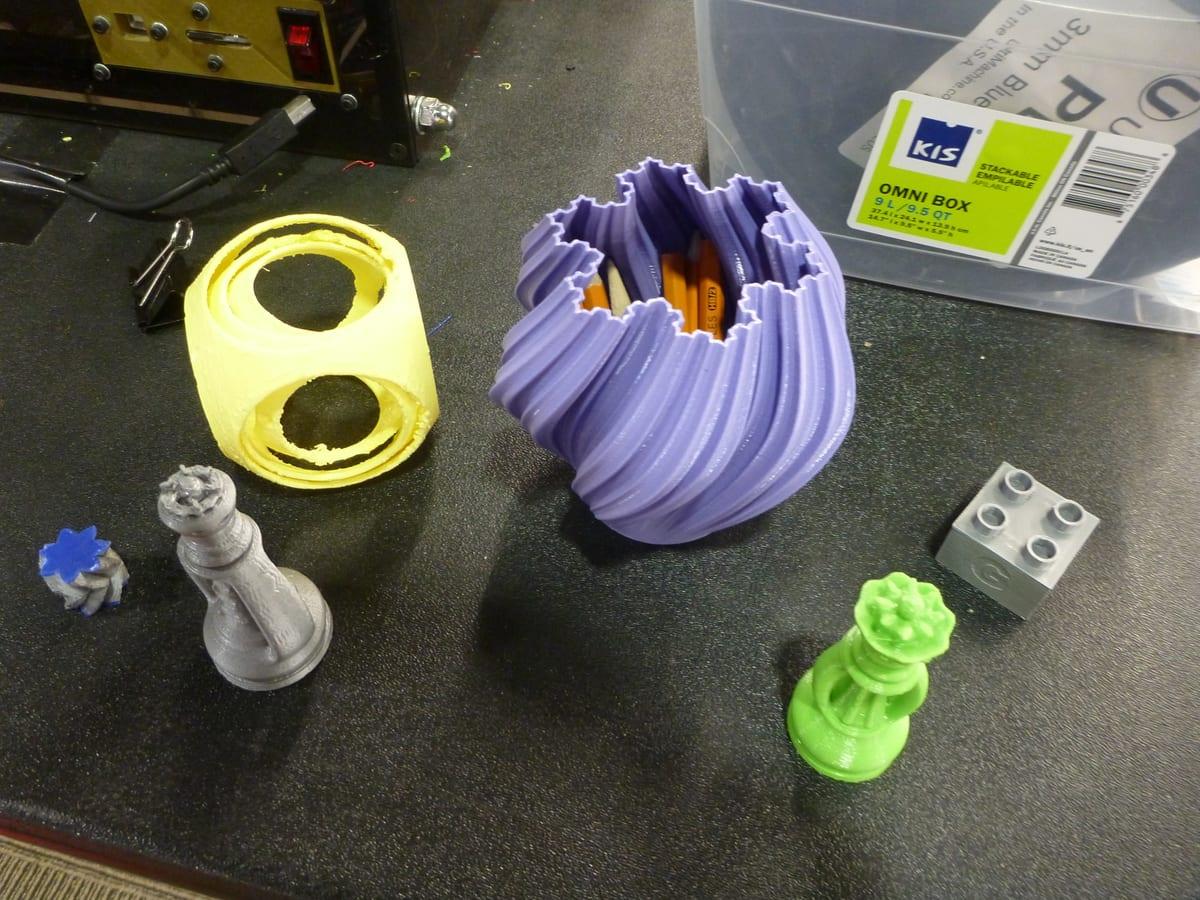
| Independent local maker | Flat quote per part, typically $28-72 for a small functional print. | Quality varies enormously. Ask for photos of past work before paying anything. |
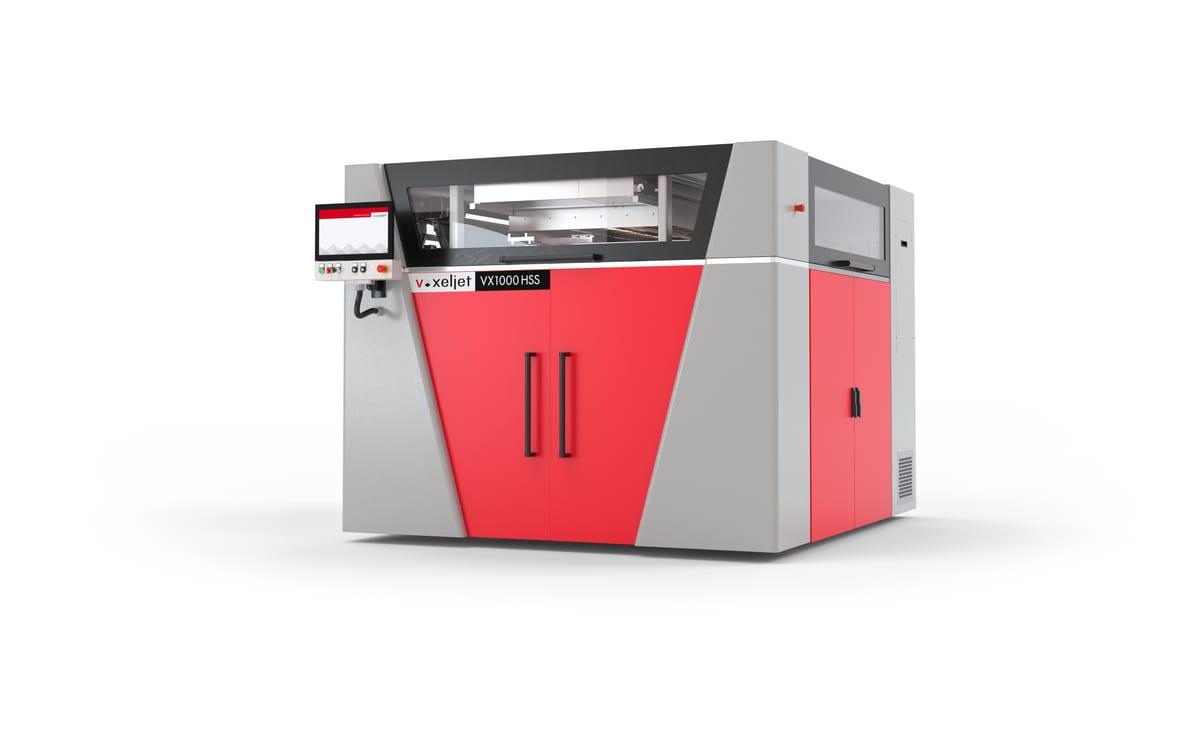
| Commercial job shop | Minimum order $50-150, plus engineering time at $50-150 an hour. | Excellent for tolerance-critical work, brutal value for one small bracket. |
| Online marketplace | Competitive bids, escrow, shipped to you. | You lose the option of handing over the broken original in person. |
Ranges compiled from published US public library and hackerspace fee schedules and typical independent and job shop quotes, August 2026. Regional variation is wide; treat these as orders of magnitude, not price lists.
What Is Actually In the Quote
Take the same job all the way through: one 120-gram functional part in PETG, roughly eight hours on the machine, printed from a file you already have. Here is where the money goes.
Anatomy of a $28-72 custom print quote (120g PETG, 8 hours)
The filament is $3-4 of the job. Machine time is $12-24 and the human work either side of the print — setup, slicing, plate prep, support removal and finishing — is another $8-32. The five lines sum to $28-72, which brackets what an independent maker typically quotes.
| line | Typical low | Typical high |
|---|---|---|
| Filament (120g PETG) | $3 | $4 |
| Machine time (8 hours) | $12 | $24 |
| Setup, slicing, plate prep | $4 | $12 |
| Support removal, finishing | $4 | $20 |
| Packing and shipping | $5 | $12 |
Source: Filament at the typical US retail PETG range of $0.022-0.032/g; machine time at the $1.50-3.00/hr hobby-to-mid-range rates used by the 3D Print Bounty calculator; labour and shipping from 3D Print Bounty maker quotes and comparable independent commissions, August 2026.
Two things follow from that shape. First, haggling over material is pointless: you are arguing about four dollars. Second, anything that adds human minutes — a file that needs repairing, a dimension nobody specified, a finish described as "nice" — moves the quote far more than anything you print it in.
The largest single saving available to you is supplying a print-ready file. Modelling a part from photographs and measurements adds roughly $40-150 to a job, and it is the line item most people do not know they are buying until the quote comes back.
Start With the Library. Genuinely.
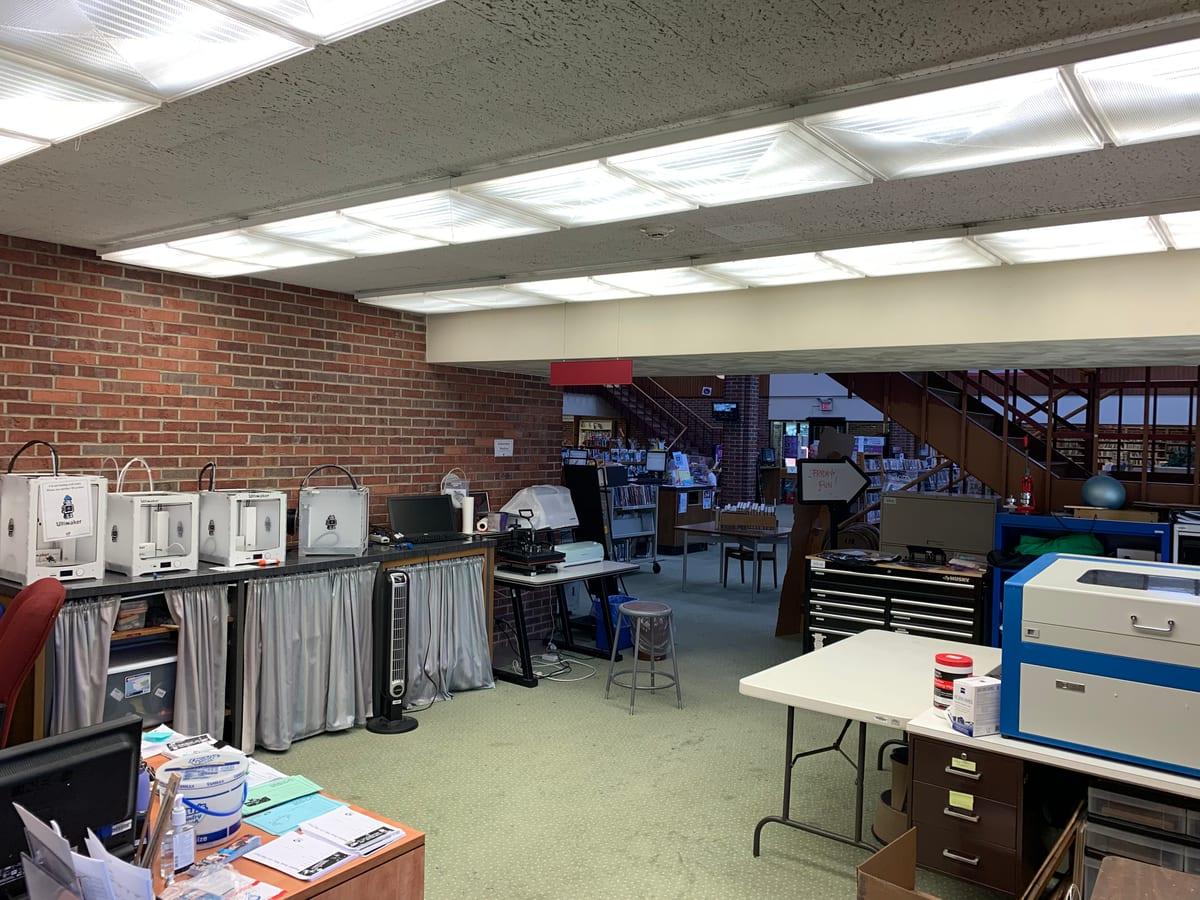
A US public library makerspace is usually the cheapest 3D printing you can reach. Typical published fee schedules charge $0.05-0.25 per gram of filament or $1-3 per hour of printer time, and many libraries waive machine time entirely for cardholders and charge only materials. At those rates a 120-gram part is $6-30 in materials, because you are supplying all the labour yourself.
Four things they will not do, and it is better to know now. They will not model the part for you; you must arrive with a printable file. They will not print anything larger than the machine, which is usually a 220 or 250mm cube. They will not print weapons, keys, or anything they judge to infringe a copyright. And they will not babysit a 40-hour print, so long jobs are frequently refused outright regardless of what you offer to pay.
Queue length is the real cost. Two to fourteen days is normal, and one printer serving a whole city is a common configuration. If you need the part this week, price that risk in before you drive over.
Spec the Material by Its Job, Not Its Price
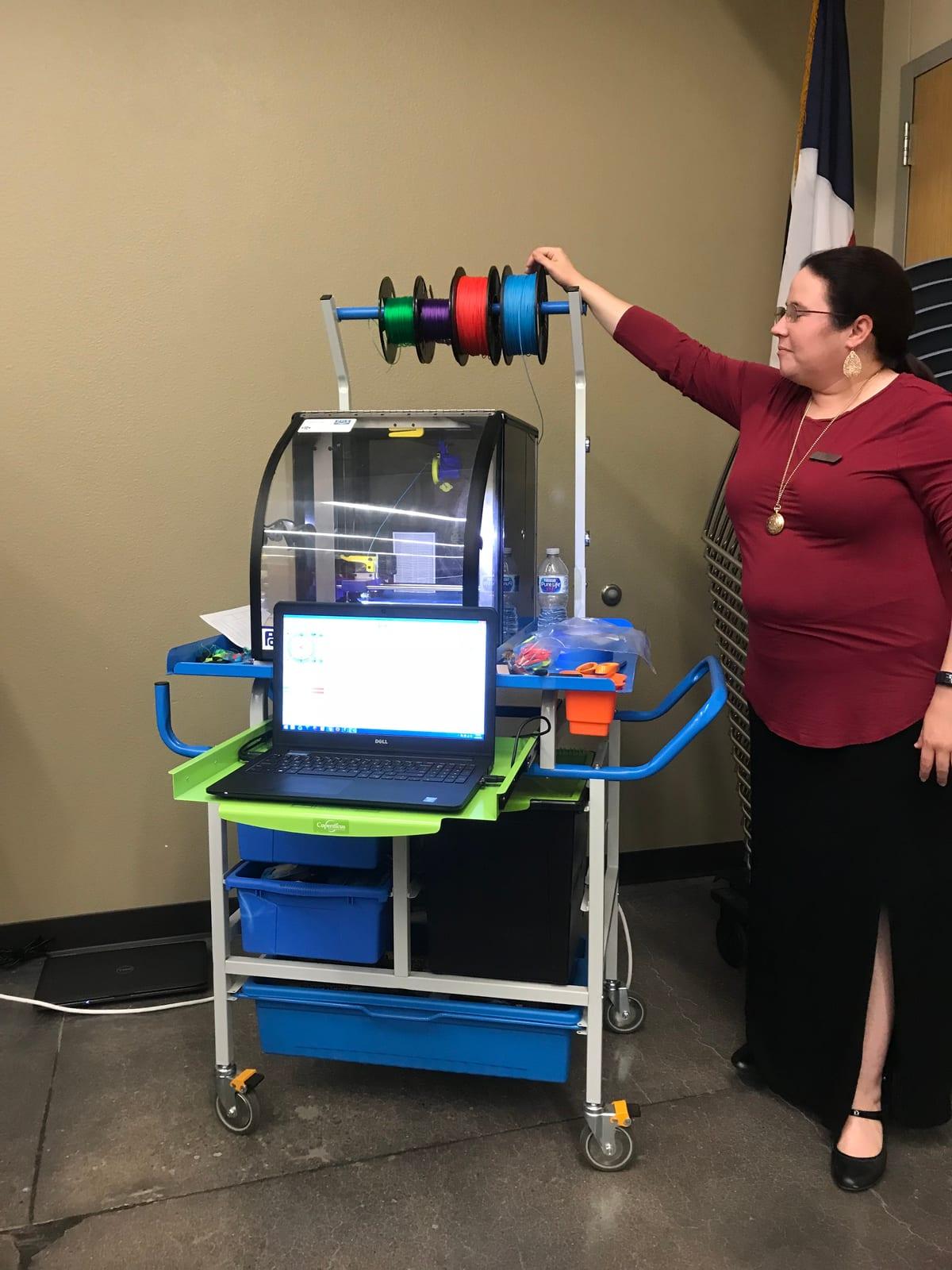
People downgrade the material to save money, and it is almost always the wrong lever. Across the whole span from cheap PLA to carbon-filled nylon, the material in a 120-gram part moves by about eight dollars, and the gap between PLA and the PETG or ASA you would actually use in a car is nearer one. Choosing PLA to save that dollar and then reprinting the part twice is a net loss.
Filament cost alone for the same 120g part, by material
From PLA at $2.28-3.60 to PA6-CF at $7.20-10.80, the entire material spread on a 120g part is about $8. Material is the cheapest thing in a custom quote to get right and the most expensive thing to get wrong.
| material | Typical low | Typical high |
|---|---|---|
| PLA | $2.28 | $3.6 |
| PETG | $2.64 | $3.84 |
| ASA | $3.36 | $4.8 |
| PC | $4.8 | $7.2 |
| PA6-CF | $7.2 | $10.8 |
Source: 120g costed against typical US retail per-kg ranges: PLA $19-30, PETG $22-32, ASA $28-40, PC $40-60, PA6-CF $60-90 per kg, August 2026.
Say why, not what. "It sits in a car in summer" gets you PETG or ASA from someone who knows that PLA softens around 55 °C. "It takes a 2kg pull" gets you a sensible print orientation, which matters more than the polymer. A maker who knows the job can substitute intelligently when a spool runs out; one handed only a material name cannot.
The Line Item That Doubles Quotes: No File
Everything above assumes a printable model exists. If it does not, the job stops being a printing job and becomes a modelling job with printing attached, and the quote reflects that. Roughly $40-150 of CAD work on a simple replacement part, more if the geometry is organic or the tolerances are tight.
You can cut that meaningfully without owning CAD software. Photograph the original square-on against a plain background with a ruler in frame, on every face. Caliper the dimensions that have to fit — hole diameters, shaft widths, bolt spacing — and write them on the photo. State which surfaces mate with something and which are cosmetic. A modeller working from that spends an hour; one working from a single angled phone photograph spends three and charges for them.
Handing over the physical original is better still, and it is the strongest reason to use somebody local: calipers on the real part removes a whole round of measurement error. For how to find those local options and what each one is good for, see our guide to 3D print shops near you and our guide to finding 3D printing near you.
Exactly What to Ask For
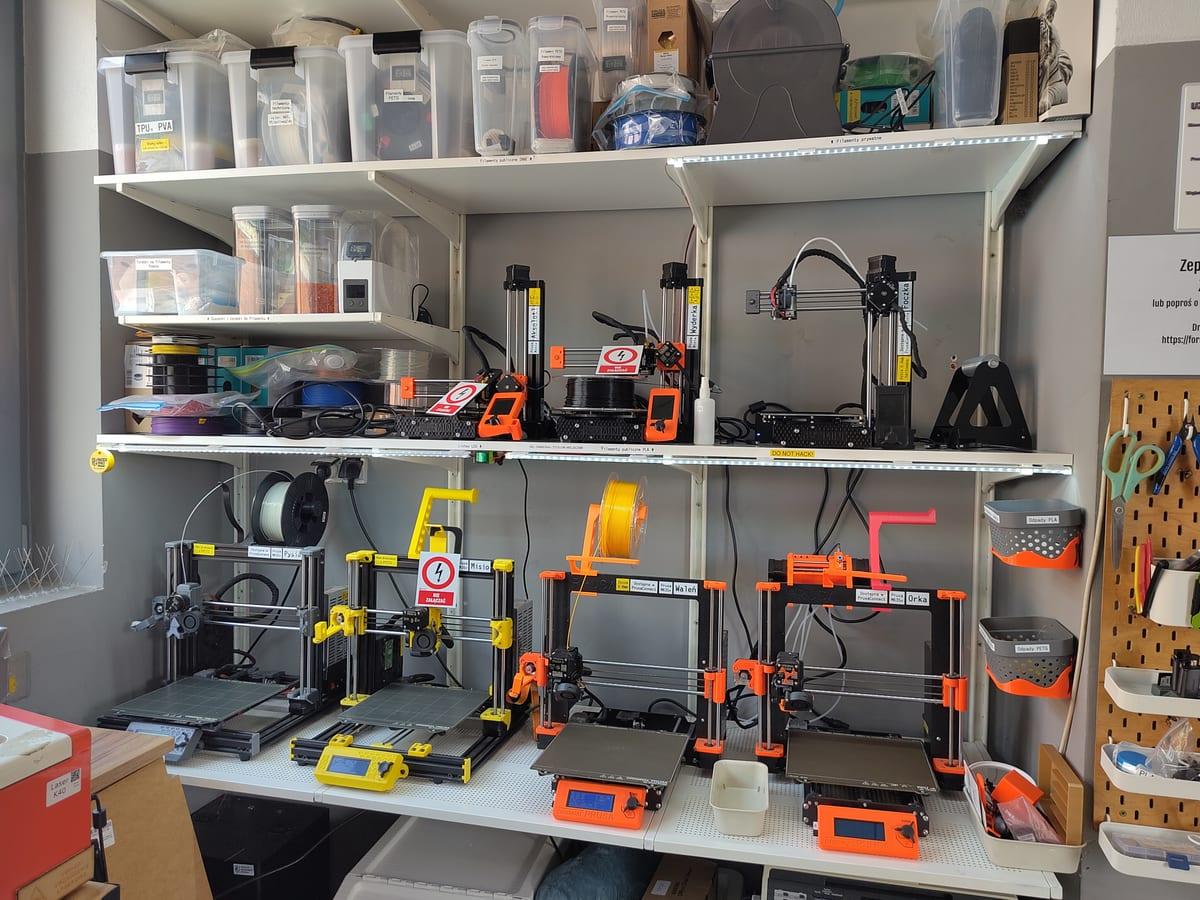
Send this and you get a quote. Send less and you get questions, which is where the days go.
| Specify | Say something like |
|---|---|
| Material | "PETG, because it lives in a car in summer." The reason matters more than the name. |
| Wall thickness | "1.6mm walls" in millimetres, not "four walls" which means different things on different nozzles. |
| Critical dimensions | "The 12.0mm shaft hole must fit; everything else can drift 0.5mm." |
| Which way it loads | "It hangs a 2kg shelf, load is downward on the arm." This decides print orientation, which decides whether it survives. |
| Finish | "Supports removed, no sanding needed, it is hidden inside a cabinet." |
| Quantity | "Two, in case the first fit is wrong." A second copy still costs its own filament and machine time, but the setup, slicing and shipping are already paid for, so it is cheaper than ordering again later. |
| Deadline and photos | A date, plus photos of the original with a ruler in frame if it is a replacement part. |
Before you accept any quote, sanity-check it. Put your part weight and estimated print hours into our 3D print cost calculator and you will know within a minute whether a $180 quote is a shop covering genuine engineering time or a shop that does not want the job. Both happen, and the calculator tells them apart. If the material and machine time come to $16 and the quote is $180, ask what the other $164 buys — a fair shop will tell you, and the answer is usually minimum order plus design time.
Four Questions Before You Pay Anyone
Ask these of any local maker, and be wary of vague answers to any of them.
- Can I see photos of comparable work? Not their best print. Something structurally similar to yours.
- What happens if it fails or does not fit? A reprint at their cost for a print defect is the normal answer. Anything else, walk.
- Do I get the design file? If they are modelling it, agree ownership before work starts, not after.
- How am I paying? A large upfront cash payment to a stranger has no recourse. Escrow or a card does.
That last point is why marketplaces exist. If you would rather not vet anybody, post the job, take competing bids, and hold the payment until you have seen photos of the finished part.
Frequently asked questions
Where can I get something 3D printed near me?
Five places, in rough order of how many people can use them: a public library makerspace, a membership hackerspace, an independent hobbyist printing from home, a local prototyping or sign shop, and an online marketplace that ships to you. Libraries and hackerspaces are cheapest but self-serve; job shops are fastest but carry minimum orders. What you send them matters more than which you pick: a print-ready file, the critical dimensions and the load direction.
How much does local custom 3D printing cost?
For a typical 120-gram, 8-hour functional part as of August 2026: $6-30 at a library makerspace where you run the machine yourself, $28-72 from an independent local maker, and $75-200 at a commercial job shop once its minimum order applies. The filament is only $3-4 of that. Shops charge for engineering time, not plastic.
Do public libraries do 3D printing?
Many do. US public library makerspaces commonly charge $0.05-0.25 per gram of filament or $1-3 per hour of printer time, with the machine time itself often free to cardholders. Expect a queue of several days, a size limit set by the machine, and a rule that library staff will not model the part for you.
Is local 3D printing cheaper than online?
Usually not on price, but often on total cost. A commercial local shop carries rent and a minimum order, so it rarely beats an online quote on a small part. Local wins when shipping would exceed the print cost, when the part is fragile or oversized, or when someone needs the broken original in hand to measure it.
What should I send a 3D printing service?
An STL or 3MF file, the material you want, the critical dimensions with tolerances, which surfaces must be smooth, how many you need and your deadline. If it is a replacement part, add photos with a ruler in frame and the model number of the appliance. Missing dimensions are the single biggest cause of delay.
Skip the Phone Calls
Post your part with dimensions, material and a deadline. Makers bid, you pick one, and payment stays in escrow until you approve photos of the finished print. No minimum order and no driving.