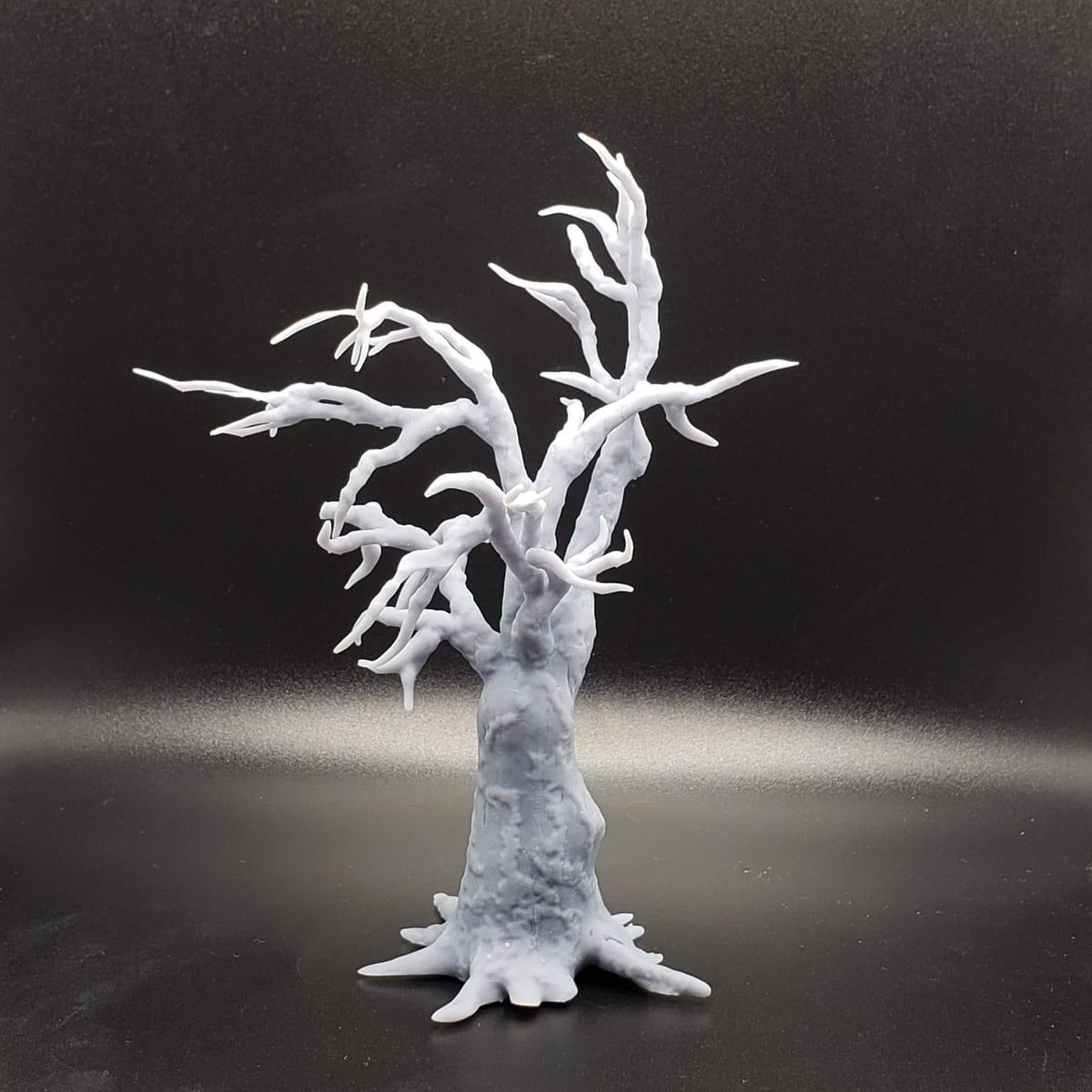
You've Got the D&D STL Files. Now What?
You backed a couple of miniature Patreons over the winter, and now there is a folder on your drive with several thousand STL files in it. Goblins, a lich, four versions of the same tavern keeper, a dragon split into eleven parts. The campaign starts in three weeks and you do not own a 3D printer.
It is a common situation, and it has two answers that people usually get in the wrong order. The first is the licensing question, which almost nobody checks and which determines whether a commercial printer can legally touch your files at all. The second is the practical one: resin or filament, what scale, and what it costs.
I have D&D STL files but no 3D printer. What are my options?
Send them to a resin print service or an independent maker. A 28-32mm miniature costs $4-12 printed, cleaned and cured, and a 75mm bust runs $25-60. Check the license first: Patreon, Kickstarter and MyMiniFactory set no licence themselves, so the terms are whatever the sculptor wrote, and you must hold print rights before commissioning anyone.
Last verified: July 2026
Key takeaways
- •A 28-32mm D&D-compatible miniature costs $4-12 to have printed in resin by an independent maker as of July 2026, unpainted.
- •Patreon, Kickstarter and MyMiniFactory do not set model licences. Each sculptor does, and a licence granting the buyer personal printing rights is not the same as the right to have a commercial service print for you.
- •Resin beats FDM for anything under about 100mm, because character faces and weapon edges are finer than a 0.4mm nozzle can resolve.
- •Modern sculpts are almost always 32mm scale. Printing them at 28mm to match an older collection is a slicer setting, but you have to ask for it.
- •Painting costs more than printing: $15-40 per figure at tabletop standard versus $4-12 to print it.
Check the License Before You Send the Files Anywhere
Paying for an STL is not the same as buying the right to have someone else print it. This is the single biggest misunderstanding in the hobby, and it is worth being blunt about it.
The important thing to understand is that Patreon, Kickstarter and MyMiniFactory do not set licences for the models sold through them. Each sculptor writes their own, so two files in the same folder can carry completely different terms. The common shape is a personal, non-commercial license: you, the person who paid, may print the file on your own printer, for your own table, as many times as you like. That does not automatically mean a paid print shop may print it on your behalf, because from the creator's point of view that shop is running a commercial operation on a file it never licensed.
Some creators explicitly permit this and say so. A growing number of Patreons publish a print-on-demand or "commercial" tier that costs more and grants exactly this right. Others forbid it in plain language. The only way to know is to read the license file that came with the download, which is usually a text or PDF file sitting in the root of the archive that nobody opens.
How we handle this
When you post a miniature project on 3D Print Bounty, you attest that you hold the right to have that file printed. We do not host STL files for copyrighted commercial sculpts, we do not accept jobs to reproduce another company's commercial miniature range, and makers are free to decline any job where the license is unclear. That is not legal theatre. It is the reason independent sculptors are willing to work with print services at all, and it protects you from paying for a job that gets cancelled halfway through. Our guide to printing Patreon miniatures walks through the specific license types you will run into.
One more distinction worth keeping straight: printing a miniature for your own home game and using it in a sanctioned tournament are different questions. Home play is governed by the file license. Organised events are governed by the event's own rules, and many require official models regardless of what your license says.
Dungeons & Dragons is a trademark of Wizards of the Coast. We use "D&D-compatible" here descriptively, to mean sculpts that suit a 5e-style fantasy game at tabletop scale. Nothing here is affiliated with or endorsed by Wizards of the Coast, and the files we are talking about are independent sculpts, not reproductions of any published product.
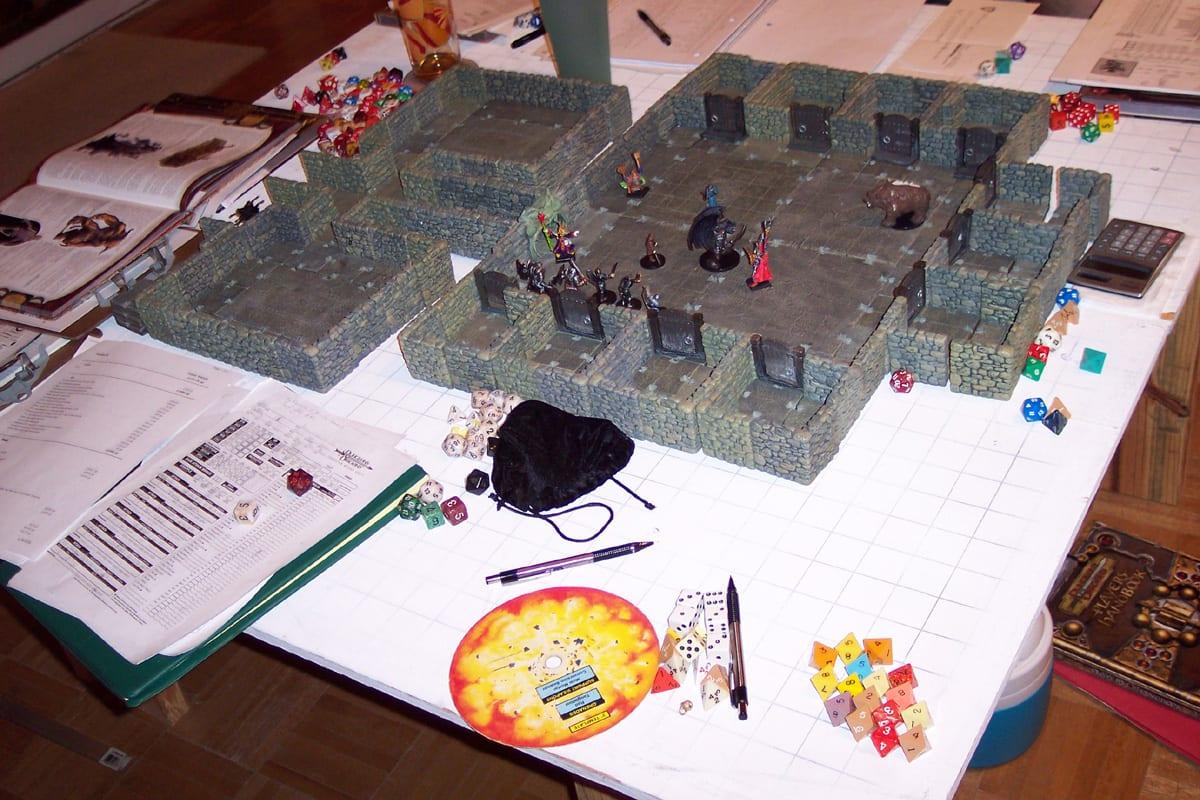
Resin or Filament?
Resin, for almost everything a 5e party puts on the table. The reason is geometric rather than aesthetic. A 32mm human figure has a nose about 0.3mm wide and a sword edge thinner than that. A standard filament printer extrudes through a 0.4mm nozzle, so those features do not exist in the output. A resin printer reproduces them because it cures whole layers optically at pixel sizes around 0.02-0.05mm.
Filament earns its place at size. Once a model is over roughly 100mm tall the detail ratio changes, the resin cost climbs steeply, and the print becomes awkward to fit on a small resin plate. Dragons, siege engines and terrain are frequently better and cheaper in filament.
| What you are printing | Best process | Why |
|---|---|---|
| Player characters, 28-32mm | Resin | Faces, hands and weapon edges are below FDM resolution. |
| Monster swarms, 20+ identical figures | Resin | Resin cost per figure falls sharply when the plate is full; 20 goblins print in roughly the same wall-clock time as one. |
| Dragons and bosses over 150mm | Either | Resin looks better; filament is cheaper and does not need splitting as often. Ask for both quotes. |
| Terrain, walls, dungeon tiles | Filament | Volume is the cost driver and detail is coarse. Resin here is expensive for no visible gain. |
| Display busts, 75-120mm | Resin | These are sculpted for close viewing, and layer lines on a face are unforgiving. |
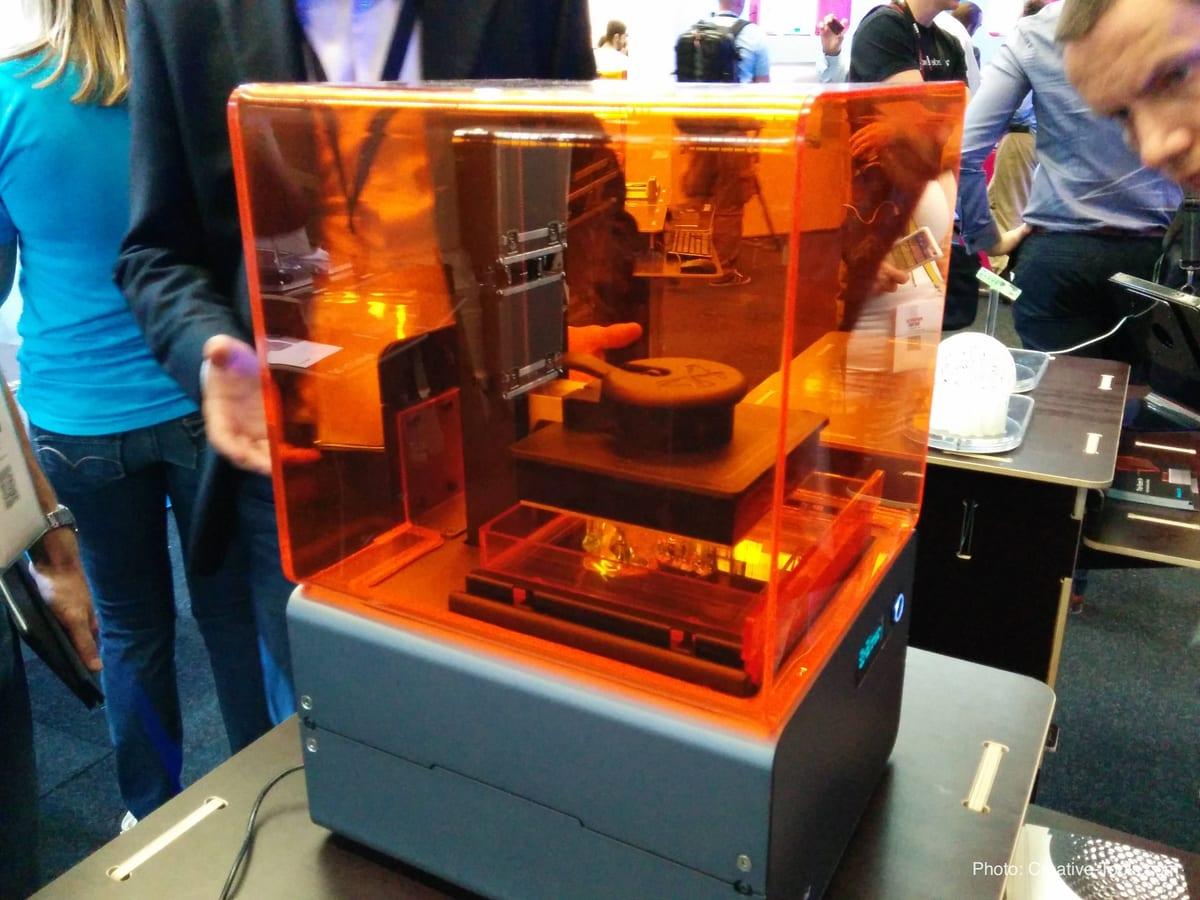
What It Costs to Get Your Files Printed
Printing a party of five costs $30-60 from an independent maker, unpainted. That number surprises people in both directions: it is more than the raw resin, and far less than most people expect for something that arrives ready to paint.
The reason unit prices vary so much within a size class is build-plate packing. A resin plate takes the same six to nine hours to run whether it holds one figure or thirty. A maker printing your five characters alone is charging you for a whole plate cycle; a maker who can nest twenty of your goblins onto one plate is not.
Typical cost per printed miniature, unpainted
A 28-32mm rank-and-file figure costs $4-12 to have printed in resin, cleaned, cured and de-supported. Large single models cost far more because they occupy a whole plate cycle.
| item | Typical low | Typical high |
|---|---|---|
| 28-32mm infantry | $4 | $12 |
| 32mm character | $6 | $15 |
| 50-75mm creature | $18 | $45 |
| 75mm display bust | $25 | $60 |
| 150mm+ dragon | $40 | $120 |
Source: 3D Print Bounty maker quotes and comparable independent miniature commissions, July 2026
So an $8 miniature contains about 25 cents of resin. The remaining $7.75 is plate time, failed-print risk, isopropyl alcohol, UV curing, support removal by hand under magnification, and the maker's labour. Support removal alone is five to fifteen minutes per figure if it is done properly, which is why makers who charge $4 are usually batching dozens of figures at once and makers who charge $12 are usually doing careful single-figure work.
If you want to sanity-check a filament quote for terrain or a large model before you post the job, our 3D printing cost calculator will give you the material side in a few seconds.
Scale: Why Your Miniature Arrived Too Small
Say the scale you want in the job description. Most sculpts released in the last several years are designed for 32mm scale, where a human-sized character measures roughly 32mm from the base to eye level and 35-38mm to the top of the head. Older ranges, and a lot of classic fantasy metal, use 28mm.
The difference looks trivial written down and looks obvious on the table. A 32mm hero next to a 28mm hero reads as a different species. If you are adding to an existing collection, measure one of your current figures from base to eye level and give the maker that number. Rescaling is a slicer setting that takes seconds, but only if somebody knows to do it.
Watch the base as well. Many STL packs ship the figure and the base as separate files, or as a figure with an integrated base at 25mm, 32mm or 40mm diameter. If your game group uses a grid, mismatched base sizes cause more arguments than mismatched scale does.
Supports, Pre-Supported Files and What Actually Fails
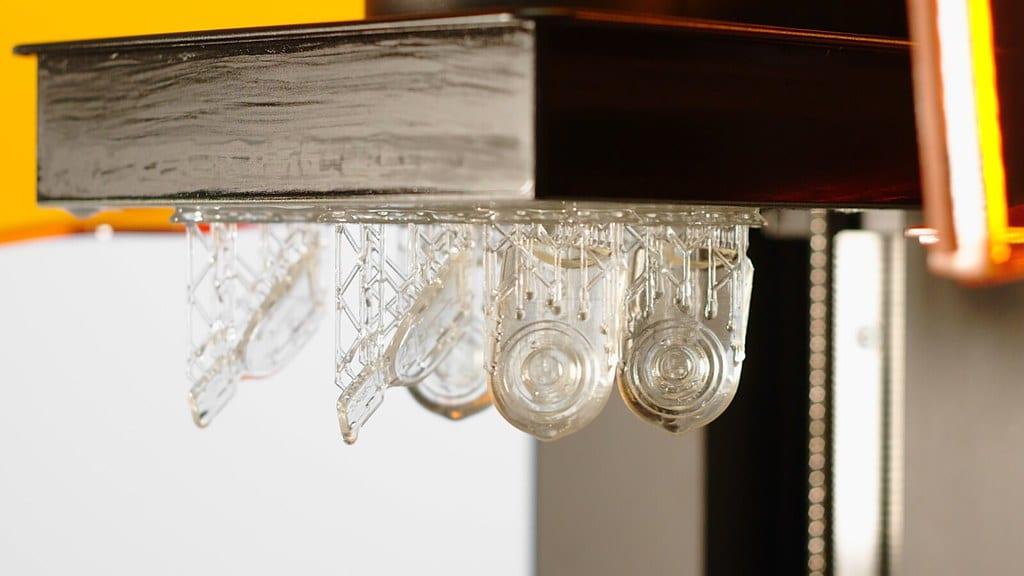
Check whether your download included pre-supported files, and say so when you post the job. Many Patreon releases include both a raw mesh and a version with supports already attached by the sculptor, usually in a folder named "presupported" or with "_ps" in the filename. Pre-supported files save the maker half an hour per model and reduce the chance of a failed print, so they can shorten your lead time.
The failure modes worth knowing about, because they determine what you should inspect when the box arrives:
- Support scars. Every support leaves a small nub. On a well-finished print these are sanded flush; on a rushed one they sit on the figure's back or cloak. Ask for photos of the underside.
- Snapped thin parts. Spear shafts, bow strings and wand tips break in transit. A good maker prints these thickened or ships the figure in foam.
- Tacky surface. Under-cured resin stays slightly sticky and never takes primer properly. It should feel like hard plastic, not like a gummy sweet.
- Hollowing without drain holes. Makers hollow large models to save resin. Without two drain holes, uncured resin gets trapped inside and slowly leaks out months later.
Painting Costs More Than Printing
The printing quote and the painting quote are two different jobs, and the second usually costs several times the first. This catches people out when they compare an $8 printed figure against a $45 pre-painted retail miniature and conclude the retail product is overpriced. It is not; the paint is the expensive part.
Miniature painting cost per figure by finish level
Tabletop-standard painting costs $15-40 per infantry figure, which is several times the $4-12 cost of printing it. Display-level work on a character runs $90-250.
| tier | Typical low | Typical high |
|---|---|---|
| Primed only | $2 | $5 |
| Tabletop standard | $15 | $40 |
| Character level | $40 | $90 |
| Display level | $90 | $250 |
Source: Published rate cards from independent commission miniature painters, July 2026
The cheap middle option most groups land on is primed only, at $2-5 per figure. A primed figure is grey, matte and paint-ready, it photographs far better than bare resin, and it looks perfectly respectable on the table if nobody ever gets round to painting it. If you intend to paint them yourself eventually but want them usable this month, order primed.
What to Send With the Job
Miniature jobs stall for boringly predictable reasons. Include all of this and you will get a firm quote rather than a thread of questions:
| What to include | Why the maker needs it |
|---|---|
| The license text from the download | Determines whether the job can be accepted at all. Paste the relevant paragraph, not just the creator name. |
| Target scale and base diameter | 32mm and 28mm sculpts look wrong beside each other. Base size affects grid play. |
| Quantity per file | Drives plate packing, which drives unit price more than anything else. |
| Whether pre-supported files are included | Saves roughly 30 minutes of setup per model and lowers failure risk. |
| Finish level wanted | Raw, primed or painted are three different prices. State it up front. |
| Your session date | Resin printing, washing and curing is a two to four day cycle before shipping. Makers will tell you if the date is unrealistic. |
If you are earlier in the process and still deciding whether to buy files at all, our broader guide on what to do with STL files when you do not own a printer covers the options beyond miniatures, including print-on-demand marketplaces and local makerspaces.
Frequently asked questions
I have D&D STL files but no printer. What do I do with them?
Send them to a resin print service or an independent maker who prints miniatures. A 28-32mm figure costs $4-12 printed and cured, a 75mm bust $25-60. Before you send anything, confirm the file license allows a third party to print it for you. Patreon, Kickstarter and MyMiniFactory set no licence on the models sold through them, so the terms are whatever the individual sculptor wrote, and you have to read them.
Is it legal to pay someone to print an STL I bought?
It depends entirely on the license the sculptor attached to that file. Selling platforms do not set model licences, so terms vary creator by creator. A licence granting personal, non-commercial printing rights to the buyer does not automatically extend to a paid third-party printer, while some creators publish an explicit exception for print-on-demand. Read the license text, and if it is unclear, ask the creator in writing.
Should D&D miniatures be printed in resin or filament?
Resin, in almost every case. A 28-32mm character has facial features and weapon edges under 0.4mm, which is finer than a standard FDM nozzle can resolve. FDM is a reasonable choice only for large terrain pieces, dragons over 150mm, and anything you plan to sand and repaint anyway.
What scale should I print D&D miniatures at?
Most modern miniature STLs are sculpted for 32mm scale, meaning a human-sized character stands about 32mm from base to eye level, or roughly 35-38mm to the top of the head. Older ranges use 28mm. Tell your maker which scale you want, because printing a 32mm sculpt at 28mm makes it visibly smaller than the rest of your collection.
How much does it cost to print a whole party of miniatures?
A five-character party in resin, cleaned, cured and supports removed but unpainted, typically runs $30-60 total from an independent maker. Large creatures are $18-45 each on top, so a party plus two monsters lands around $65-150. Painting is a separate service and costs far more than printing: $15-40 per figure at tabletop standard.
Do I get the miniature primed or painted?
Ask explicitly. The default deliverable from most makers is a cleaned, cured, support-removed raw print in grey or clear resin. Priming is usually $2-5 extra per figure. Tabletop-standard painting from a commission painter costs $15-40 per infantry figure, $40-90 at character level and $90-250 for display-level work.
Get Your Party Printed Before Session One
Post the file list, the scale you want and the license terms. Makers who print miniatures every week will bid, and your payment stays in escrow until you have approved photos of the actual prints, not renders.