What a Miniature 3D Printing Service Costs in 2026
You have a folder of miniature files and no resin printer, or you have one and have decided that washing parts in isopropyl alcohol at 11pm is not the hobby you signed up for. Either way the question is the same: what does it actually cost to have someone else print them?
Short version: less than you think per model, and more than you think per project, because the thing that costs money is handling rather than resin. Here is where every dollar of a miniature printing quote goes and how to make a batch cheaper.
What does a 3D printing service charge for miniatures?
A miniature printing service typically charges $3-8 per 28-32mm figure printed in resin and supplied unpainted, falling to about $3.50 each on a batch of 50 and $3 at 100. A 75mm bust runs $15-35 and a 150mm display piece $30-80. Painting is always quoted separately, from $15-35 per model for tabletop standard.
Last verified: July 2026
Key takeaways
- •A 28-32mm resin miniature costs $3-8 unpainted from a printing service as of July 2026; the same model in a batch of 50 falls to about $3.50.
- •Resin content of a 32mm figure is about $0.09-0.40 at $30-50 per litre, so labour and handling — not material — are nearly the whole quote on a small miniature.
- •Resin is the right process below roughly 50mm; FDM becomes the sensible choice above 75mm where detail matters less and material volume matters more.
- •Painting is priced separately and is normally the largest line on the invoice: $15-35 per model tabletop, $60-200 display standard.
- •Licensing is per-creator, not per-platform. Patreon, Kickstarter and Gumroad set no model licence at all, so read the sculptor’s own terms before handing a file to a service.
Where the Money in a Miniature Quote Goes
The resin is almost free. Standard MSLA resin sells for roughly $30-50 per litre, and a 32mm figure with hollowed body and a small base consumes somewhere between 3 and 8 millilitres. That is nine to forty cents of material in a model you are being quoted five dollars for.
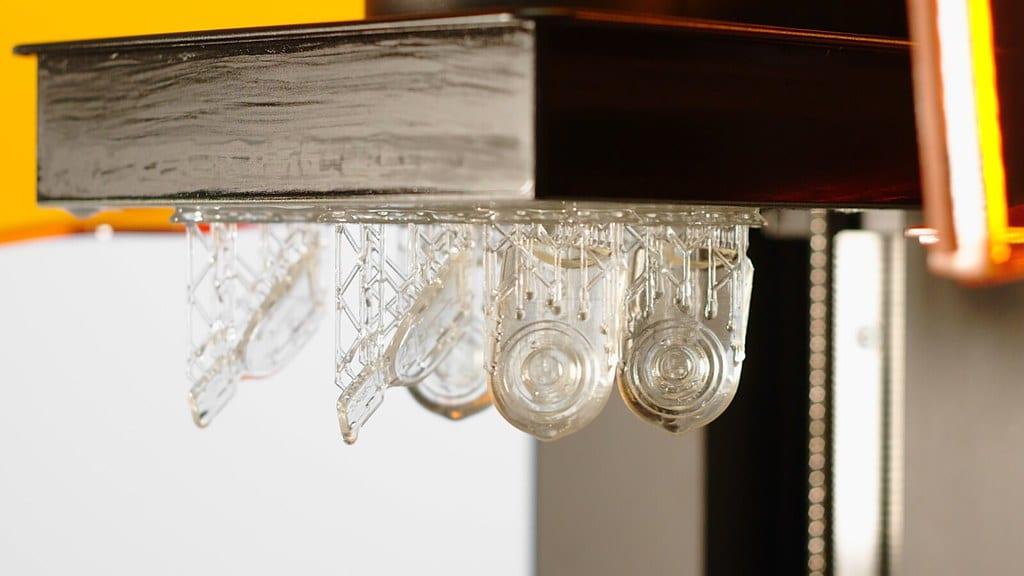
The rest of that five dollars is a sequence of steps that nobody can skip. Supports have to be generated and placed by hand if you want a clean face and no scars on a cloak. The print itself runs 4-8 hours per plate regardless of whether that plate holds one model or twenty. Then the parts get washed in isopropyl alcohol, cured under UV, cut off their supports, sanded at the nubs, checked and packed as a fragile object.
This is why per-model price falls so sharply with quantity: the print cycle is charged per plate, not per model, and a plate that fits twenty figures spreads eight hours of machine time twenty ways.
Typical unpainted price per miniature by size
Going from a 28-32mm infantry model to a 150mm display piece is roughly five times the height and around a hundred times the resin, but only about ten times the price. Handling cost per part barely changes, so it dominates the small end and never lets a tiny model get truly cheap.
| size | Typical low | Typical high |
|---|---|---|
| 28-32mm infantry | $3 | $8 |
| 32mm hero | $5 | $12 |
| 54-60mm | $10 | $20 |
| 75mm bust | $15 | $35 |
| 150mm display | $30 | $80 |
Source: 3D Print Bounty maker quotes and comparable independent miniature commissions, July 2026. Ranges reflect single-order pricing, not batch rates.
Order in Batches, Not in Ones
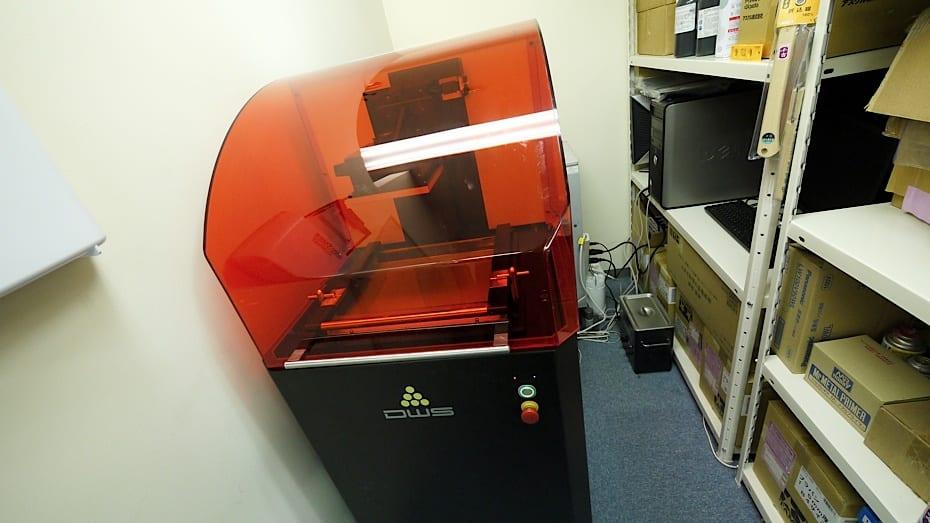
The single biggest lever you control is quantity. Sending one model and sending twenty costs the maker almost the same amount of setup, so almost every service prices in bands. If you are building a warband, a party or a campaign's worth of monsters, send the whole list at once rather than drip-feeding it.
The second lever is uniformity. Twenty copies of the same infantry model is cheaper than twenty different models, because the supports only have to be placed once and the plate layout only has to be solved once. If you have a mix, say so up front and expect the quote to reflect it.
Typical per-model price as batch size grows (28-32mm resin, unpainted)
Per-model price falls by roughly 60% between a single figure and a batch of 100, because the print cycle is charged per plate rather than per model.
| batch | Price per model |
|---|---|
| 1 model | $8 |
| 10 models | $5.5 |
| 25 models | $4.25 |
| 50 models | $3.5 |
| 100 models | $3 |
Source: 3D Print Bounty maker quotes and comparable independent miniature commissions, July 2026. Indicative ranges; exact break points vary by plate size.
Resin or FDM: The Line Is About 50mm
For anything under roughly 50mm, resin wins and it is not close. Consumer MSLA machines expose at roughly 20-35 microns per pixel in XY, which is what lets a 28mm figure carry a readable face, separate fingers and cloth folds. FDM at a 0.4mm nozzle physically cannot place a feature narrower than the extrusion width.
Above about 75mm the calculation flips. Detail is now large enough that FDM at a 0.2mm layer height looks fine under paint, the model needs a lot of material, and resin is both more expensive per gram and more brittle in a piece that size. A 150mm display figure in resin might be $60; the same file in PLA on a good FDM machine is often half that and far less likely to snap at an ankle.
| Model size | Process | Why |
|---|---|---|
| Under 32mm | Resin only | Faces, weapons and textures are smaller than an FDM extrusion width |
| 32-50mm | Resin | FDM is technically possible but the detail loss is visible under a wash |
| 50-75mm | Either | Ask for both quotes. Resin looks better, FDM costs less and survives handling |
| 75mm and above | FDM usually | Material volume dominates the price and resin gets brittle at scale |
Painting Is a Separate, Larger Bill
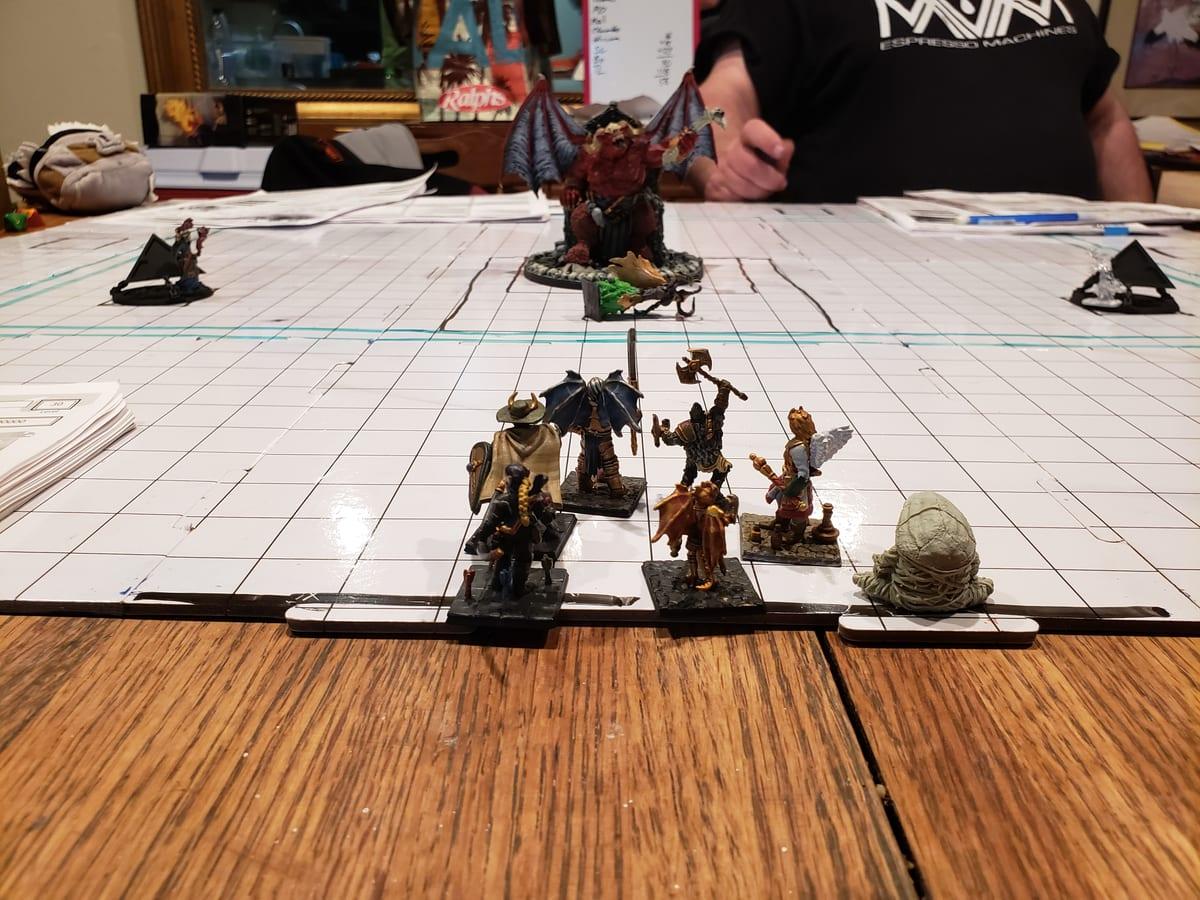
Printing is machine time. Painting is a person with a brush, and it prices accordingly. Tabletop standard, meaning primed, base coated, washed and edge highlighted so the model reads clearly at arm's length, typically runs $15-35 per 28-32mm figure. Display standard with blending, freehand and a finished base runs $60-200. Competition-level commissions are quoted individually and start around $250 for a single model.
Two practical consequences. First, painting does not get a batch discount the way printing does, because hours are hours. Second, for a large army it is almost always cheaper to have the models printed by a service and painted by you, even if you paint badly. Fifty models at the $3.50 batch rate is $175 printed; the same fifty painted at $20 each is $1,000.
The Licence Question You Have to Answer First
Owning a file is not the same as being allowed to have someone else print it, and the first thing to understand is where the licence comes from. Patreon, Kickstarter and Gumroad are payment and distribution platforms; they set no model licence of their own. The licence is whatever the individual sculptor wrote, in their campaign text, their terms page or the readme in the download. Two files bought on the same platform on the same day can carry completely different rights.
A personal-use licence is common: you may print the model on your own machine, for yourself, and nothing more. Handing that file to a commercial printing service can sit outside it unless the creator sells a separate commercial tier or says explicitly that paid printing on your behalf is fine, which plenty of creators do. The point is that you should read the terms rather than assume either way, and a service that asks you to confirm is protecting both of you. We do not accept jobs for copyrighted commercial sculpts, and we ask customers to confirm they hold print rights for the files they upload. Our guide to Patreon miniature licensing covers what the common licence tiers actually permit.
If you do not have files at all and want a custom character rather than an existing sculpt, the trade-offs between a parametric generator and commissioning a sculpt are covered in our Hero Forge versus print service comparison.
What to Send to Get a Firm Quote
Four things, and the quote comes back the same day rather than after three rounds of questions:
| Send | Because |
|---|---|
| The files, with a count of each | Volume and plate packing determine the number of print cycles, which is the price |
| Target scale in millimetres | "28mm" is ambiguous. Say whether you mean 28mm to the eye or 32mm heroic, or give a total height |
| Presupported or not | Creator-supplied supports can cut an hour of prep per model off the quote |
| Your licence status | Saves both sides discovering halfway through that the job cannot legitimately be done |
Before you send anything, it is worth running the numbers yourself. Our 3D printing cost calculator will give you the material side of a batch in about thirty seconds, which tells you immediately whether a quote you have been handed is in the right neighbourhood.
Frequently asked questions
How much does a 3D printing service charge per miniature?
For a standard 28-32mm tabletop figure printed in resin and supplied unpainted, expect $3-8 each as of July 2026. A 32mm hero or character model with more surface area runs $5-12, a 75mm bust $15-35, and a 150mm display piece $30-80. Painting is quoted separately and usually costs more than the print.
Why does a miniature cost $5 when the resin in it costs 20 cents?
Resin for a 32mm figure is roughly $0.09-0.40 at $30-50 per litre. The rest is support generation, a 4-8 hour print cycle, washing in isopropyl alcohol, UV curing, support-nub cleanup and packing a fragile object. Labour and handling are almost the entire price of a small miniature, which is why batches get cheaper per unit.
Is resin or FDM better for printing miniatures?
Resin, for anything under about 50mm. MSLA resin printers resolve detail at roughly 20-35 microns per pixel, which captures chainmail and faces that FDM smears. FDM is the better choice above about 75mm, where the detail gap narrows, the part gets much cheaper, and resin becomes brittle and expensive at volume.
Do I need to own the rights to a miniature file to have it printed?
Yes. Licensing is set by the individual sculptor, not by the platform you bought from: Patreon, Kickstarter and Gumroad impose no model licence of their own, so whatever the creator wrote in their terms is the licence. Many grant personal-use rights only, which permit you to print a model yourself but not to have a commercial service print it for you. Read the creator terms, and expect a reputable service to ask you to confirm them and to decline files clearly ripped from a commercial sculpt.
How much does it cost to have miniatures painted?
Tabletop-standard painting on a 28-32mm figure typically runs $15-35 per model, display-standard $60-200, and competition-level work is priced per commission and starts around $250. Painting is skilled hand labour measured in hours, so it does not benefit from the batch discounts that printing does.
Get Your Miniatures Quoted
Post your file list, target scale and quantity. Makers with resin machines and a proper wash-and-cure workflow will bid, and your payment stays in escrow until you have approved photos of the finished models.