3D Print Shops Near Me: When Online Beats Local
Searching "3D print shops near me" usually produces one of two results. In a large metro you get a handful of real options and a pile of sign-and-banner shops that bought a printer once. Outside one, you get industrial suppliers forty miles away with a $150 minimum and a quote form that asks for your company name.
Local is genuinely better for some jobs and genuinely worse for most. This is the honest breakdown: what each local option actually charges, what it can and cannot do, and the specific cases where driving across town beats posting the job online. If you already know you want a maker and just need the price broken down line by line, read what custom 3D printing near you costs instead; once you have a shortlist, vetting a local service covers the questions to ask before you pay.
Where can I get something 3D printed near me, and is local cheaper than online?
Local options are usually a library or university makerspace, an independent maker, or a commercial job shop. For a 120g functional part expect $75–200 locally, once a job shop's minimum lands, against $28–72 from an independent maker online. Local wins on very large parts, same-day deadlines, and handing over a broken original.
Last verified: July 2026
Key takeaways
- •Public library makerspaces are the cheapest local option, commonly charging $0.05-0.25 per gram, but they expect a print-ready file and queues can run one to two weeks.
- •Commercial job shops routinely apply a $50-150 minimum order charge, which can triple the effective cost of a small part.
- •Shipping a small printed part costs about $5-12 in the US, which is why geographic proximity matters far less than people expect.
- •Local wins decisively on parts larger than a typical desktop build volume, on same-day deadlines, and when you can hand over the broken original.
- •One national chain does offer it: The UPS Store lists in-store 3D printing at more than 60 US locations on its own 3D printing page, so check its store locator before assuming there is no counter service near you.
What Counts as a "3D Print Shop" Locally
The copy-shop counter people imagine does exist, but it is rare. The UPS Store's own 3D printing page states in-store printing at more than 60 US locations and publishes a locator listing which ones (checked August 2026); that is a real option if you happen to live near a participating store, and no help at all if you do not. Beyond that one chain, what you will find falls into four buckets.
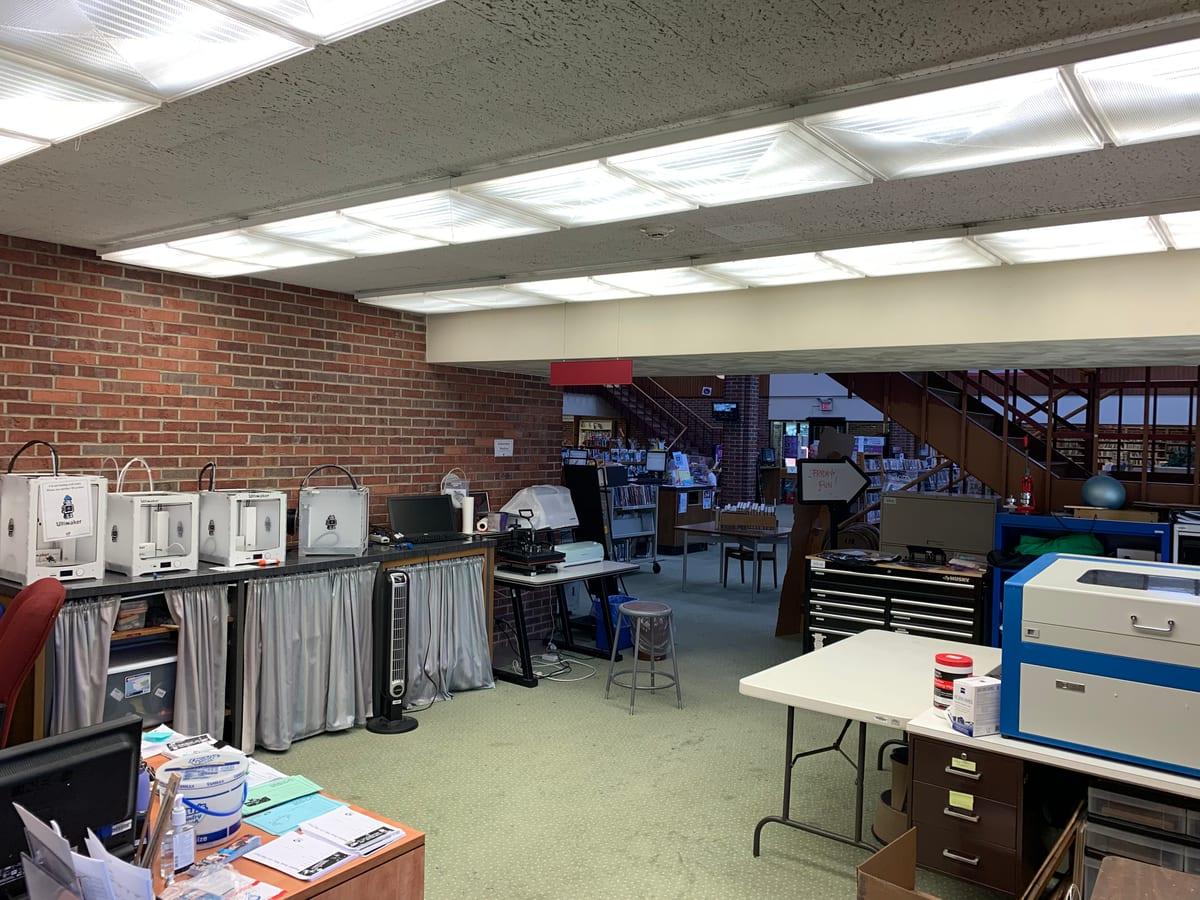
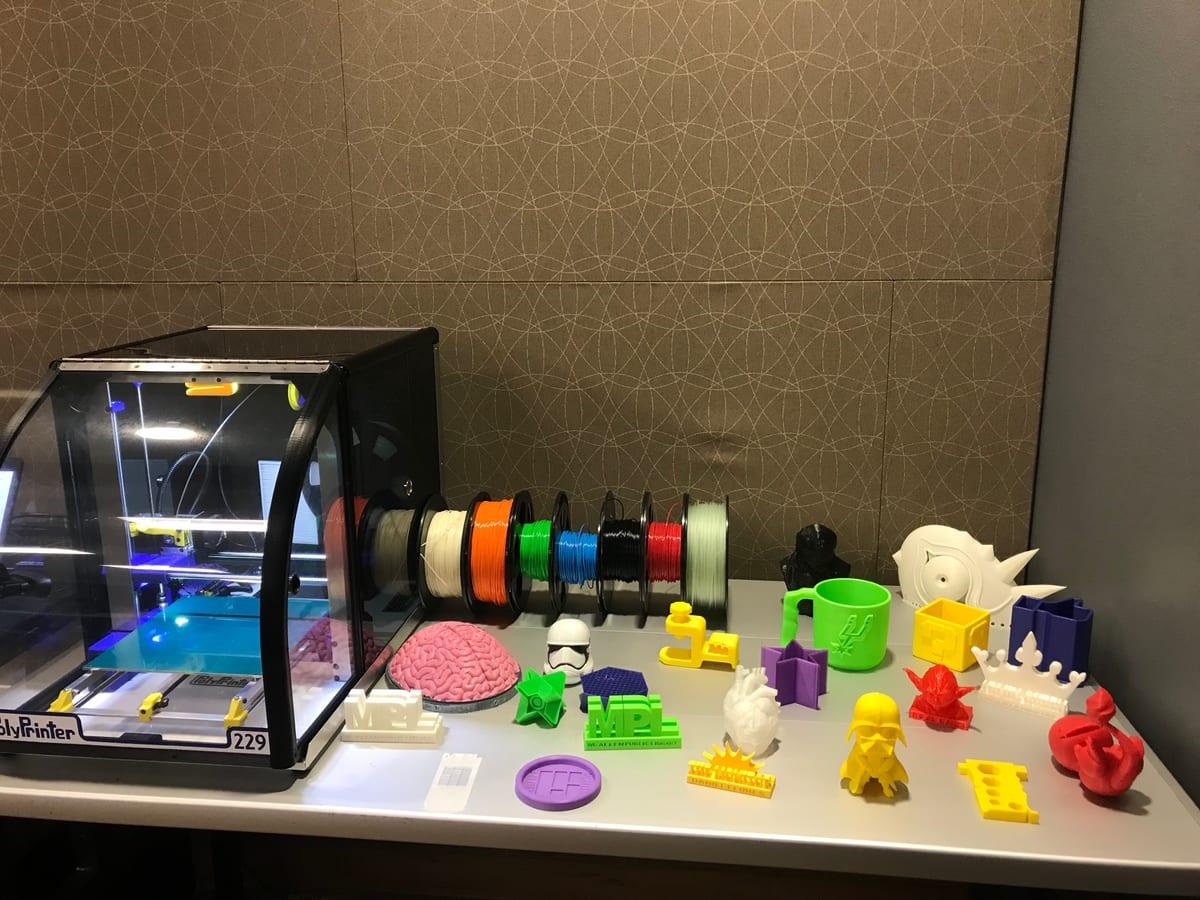
Library and university makerspaces. Common in US public library systems, usually one to six desktop FDM machines, priced by the gram or by print hour. Cheapest option by a wide margin. You bring a sliced or slice-ready file, you wait in a queue, and staff will not design anything for you.
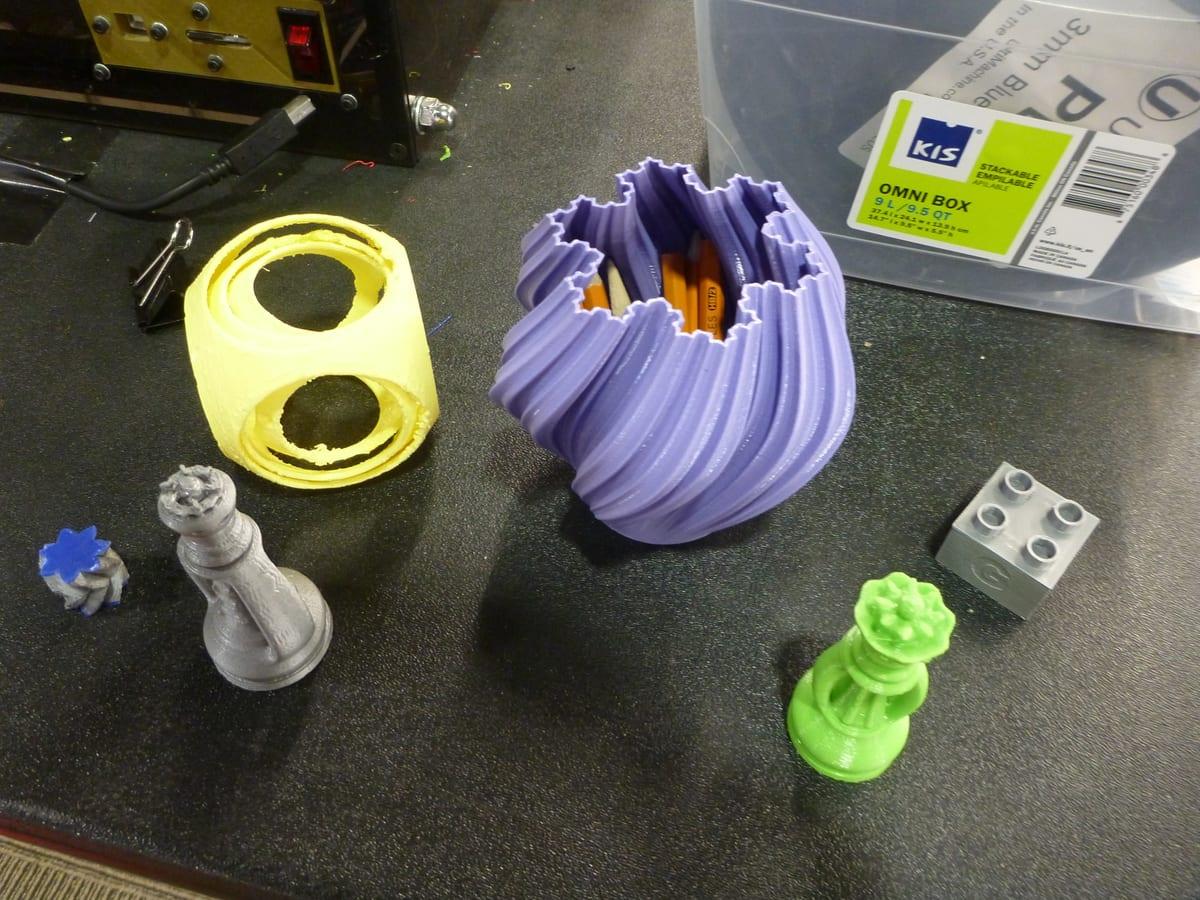
Independent makers. Somebody within twenty miles who owns three printers and takes commissions. Usually the best value and the most flexible, and the hardest to find through a search engine, because they do not have a storefront to index.
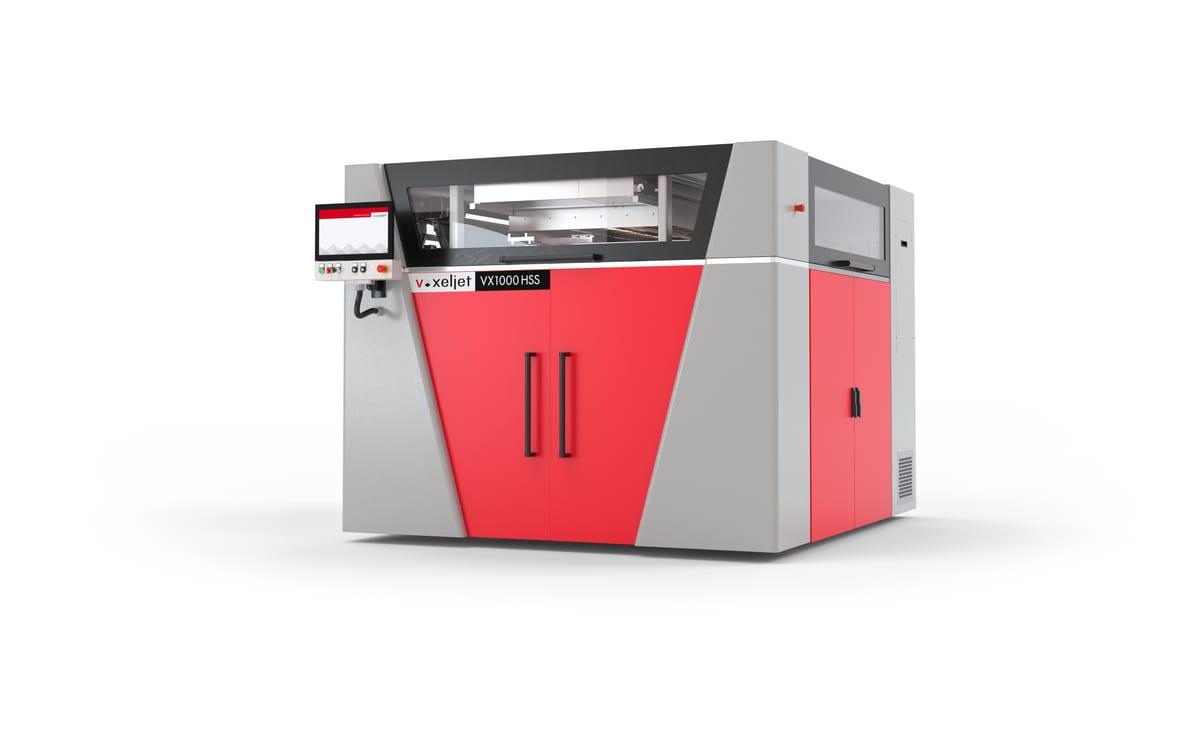
Commercial job shops and service bureaus. Real businesses with industrial machines, engineers on staff, and pricing to match. Excellent for engineering-grade work in nylon, SLS or metal. Frequently uninterested in your $30 bracket, and their minimum charge says so.
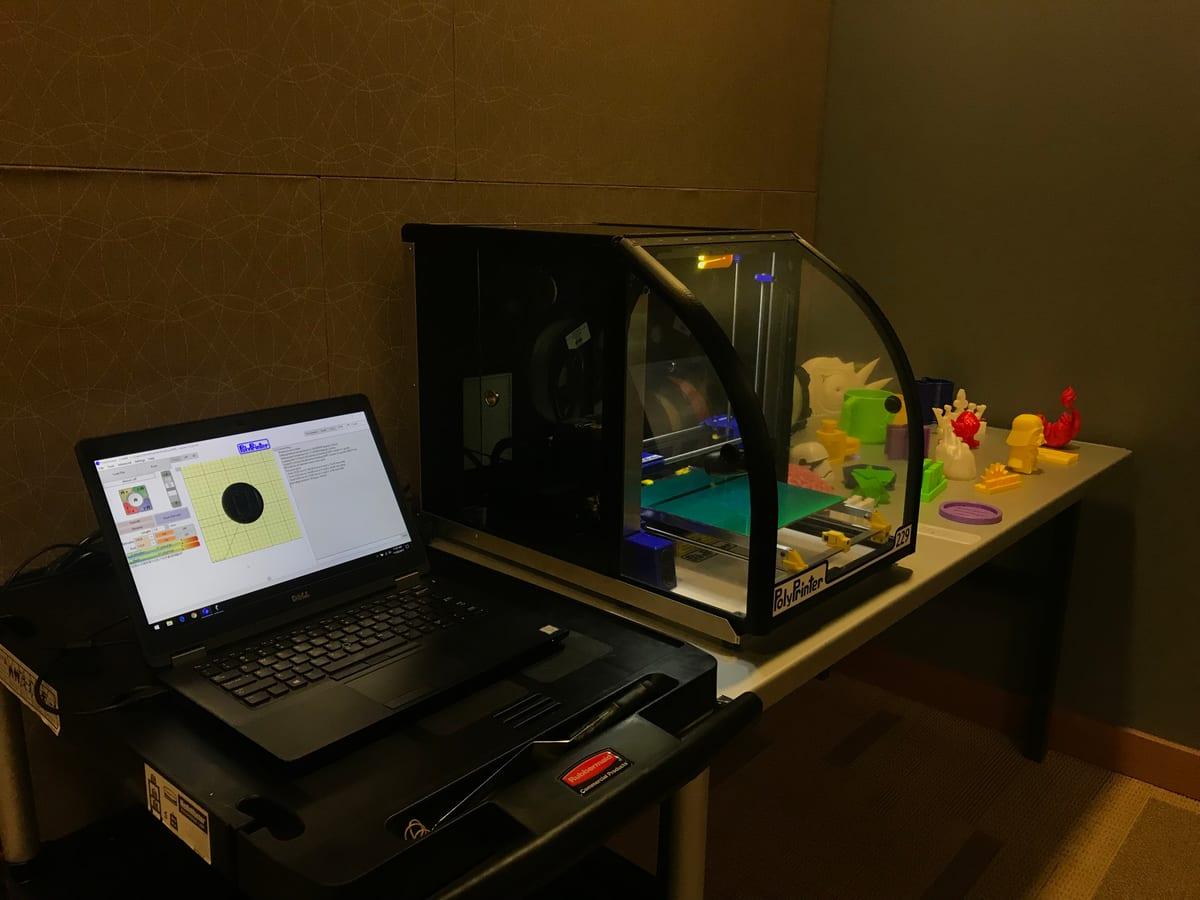
Sign shops, print shops and hobby stores with one printer. Variable. Ask what machine they own and what they have printed recently before committing.
What Each Route Costs for the Same Part
To compare like with like, take one job: a 120 gram functional bracket in PETG, printed at 0.2mm with four walls and 30% infill, from a file that already exists. No design work involved.
Cost of the same 120g PETG bracket by route
A library makerspace is cheapest if you can supply a print-ready file and do the work yourself. Independent makers online undercut local commercial shops on most small and medium parts, even after shipping.
| route | Typical low | Typical high |
|---|---|---|
| Library makerspace | $6 | $30 |
| Independent maker online | $28 | $72 |
| Online service bureau | $35 | $90 |
| Local commercial job shop | $75 | $200 |
Source: Published US public library maker-space fee schedules, comparable independent maker quotes and service-bureau instant quotes for a 120g PETG part, July 2026. Figures are typical ranges rather than a single vendor's price list.
The minimum order charge is the line item that decides most small jobs. A commercial shop with a $75 minimum will quote $75 for a part whose material and machine time total under $8, and they are not being unreasonable: quoting, scheduling, invoicing and packing cost them the same whether the part is $8 or $80. That is simply a bad fit for a household repair. Ask for the minimum on the first phone call and you will save both of you the conversation.
You can check whether any quote is sane on the material side with our 3D printing cost calculator, which prices filament and machine time for a given part weight.
Speed: Local Is Not Automatically Faster
The assumption behind "near me" is that local means fast. Sometimes. A library makerspace with a two-week queue is slower than a maker three states away who starts your print tonight, and a commercial shop that batches jobs weekly is slower than both.
Typical time from order to part in hand
Library queues are the widest variable: a quiet week means next-day, a school project season means two weeks. Online routes are slower at the fast end but far more predictable.
| route | Fastest, days | Slowest, days |
|---|---|---|
| Library makerspace | 1 | 14 |
| Independent maker online | 3 | 10 |
| Online service bureau | 5 | 12 |
| Local commercial job shop | 2 | 7 |
Source: Typical published turnaround windows for US library maker-spaces, service bureaus and independent maker commissions, July 2026
When Local Genuinely Wins
We run an online marketplace, so treat this section as the part where we argue against ourselves. There are four situations where you should drive.
| Situation | Why local wins |
|---|---|
| The part is very large | Anything over roughly 300mm in a dimension usually has to be printed in sections and bonded, and shipping a bulky assembly can cost more than the print. A local shop with a large-format machine avoids both problems. |
| You need it today | No shipping method beats collecting it yourself. If a deadline is measured in hours, ring around locally. |
| You have the broken original | Handing over the physical part converts a modelling job into a copying job, which is where most of the cost of a one-off replacement sits. Mailing a fragile broken part has its own risks. |
| Fit is critical and iterative | If the part mates with something you cannot ship, being able to walk a test print back and forth in an afternoon beats a three-day loop by email. |
Everything else, which is most jobs, comes down to how many makers you can choose from. Two local options give you two prices. A national pool gives you competitive bidding, a wider material range, and someone who has printed your specific kind of part before. Our guide to finding 3D printing near you covers how to search locally properly before you decide.
Six Questions to Ask Any Shop Before You Pay
These separate a shop that will do the job well from one that will hand you a hollow part with two walls and call it done.
What is your minimum order charge? Ask first. It decides everything for small parts.
What layer height and how many walls at that price? Two perimeters and 10% infill is a display piece. Four perimeters and 30% infill is a functional part. The price difference is small, the strength difference is not.
Which materials do you stock, and do you dry them? PETG and nylon absorb moisture from the air and print badly when wet. A shop that mentions drying is a shop that pays attention.
What is your maximum build volume? Establish this before you send a file, not after.
Will you send a photo before shipping? A photo of the finished part before it leaves is the cheapest quality control that exists.
What happens if it does not fit? Get the answer in writing. "We will reprint once at no charge if the dimensions match the file" is a fair answer. Silence is not.
Frequently asked questions
Where can I get something 3D printed near me?
In most US towns the realistic local options are a public library or university makerspace, an independent maker working from home, and a commercial job shop if your metro has one. Libraries commonly charge $0.05-0.25 per gram and expect you to bring a print-ready file. Job shops price per job and often carry a minimum charge.
How much does a local 3D printing shop charge?
For a 120g functional part in PETG, expect roughly $75-200 from a commercial local shop once its minimum order applies, $28-72 from an independent maker online including shipping, and $6-30 in materials fees at a library makerspace where you do the work yourself. Commercial shops frequently apply a $50-150 minimum order, which dominates small jobs.
Is it cheaper to use a local 3D print shop or an online service?
Online is usually cheaper for small and medium parts, because you are choosing from thousands of makers instead of the two within driving distance, and shipping a small printed part costs only about $5-12. Local wins on very large parts, same-day deadlines, and any job where handing over the physical original saves a modelling fee.
Can I get something 3D printed at a public library?
Often yes. Many US public libraries run makerspaces with FDM printers and charge a materials fee by the gram or by print time. The trade-offs are real: queues can run one to two weeks, print sizes are limited to whatever machines they own, and staff generally cannot design or repair a model for you.
What should I ask a local 3D printing shop before ordering?
Minimum order charge, materials stocked, maximum build volume, whether they will do any CAD work, layer height and wall count for the quoted price, and what happens if the part fails or does not fit. The minimum charge is the one that surprises people, because it can triple the cost of a small part.
Compare Local Quotes Against Real Bids
Post the job with your file or photos and let makers bid on it. You will find out in a day whether the local quote was fair. Payment sits in escrow until you have approved photos of the finished part, and no minimum order charge applies.