3D Printed Board Game Inserts: Which Games Are Worth It
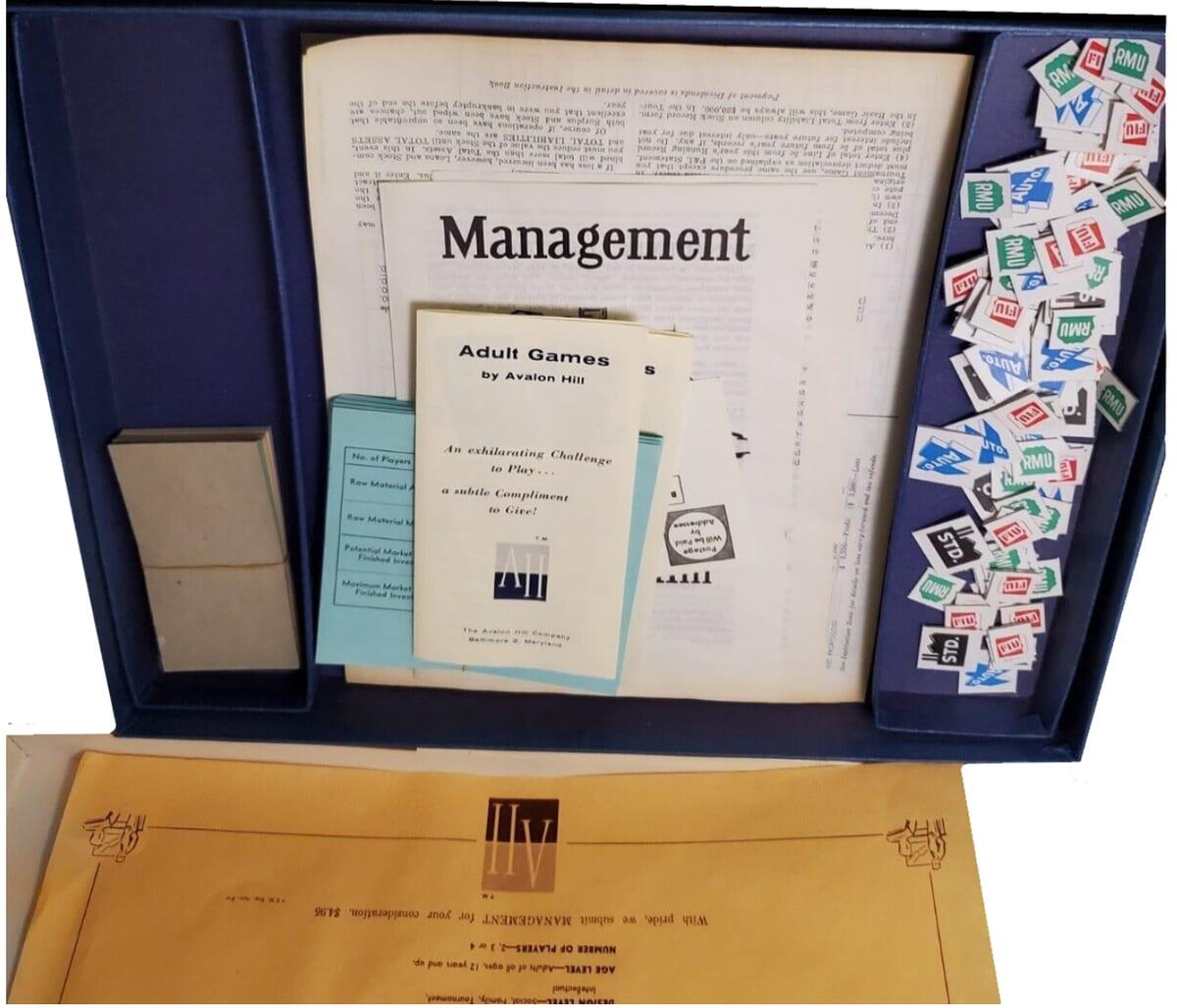
You own a board game with 200 cards, six resource types, forty wooden cubes and a cardboard divider that gave up two years ago. Setup takes eleven minutes. Teardown takes nine. Somewhere on BoardGameGeek there is a thread full of people saying "just print an insert" — which is excellent advice if you happen to own a 3D printer.
Most people don't. This guide covers which games actually justify a custom insert, what one costs when you commission it from someone who does own a printer, and exactly what information a maker needs from you before they can quote the job.
What does a 3D printed board game insert cost, and is it worth it?
A custom 3D printed board game insert costs $60–150 for a standard-size game commissioned from an independent maker, and $150–250 for large campaign or legacy boxes. Material is only $8–20 of that; the rest is design time and 20–40 hours of print time. It is worth it when a game has many distinct component types and you play it often.
Last verified: July 2026
Which Games Are Actually Worth It
The honest answer is that most games don't need an insert. The ones that do share three traits: many distinct component types, long setup, and frequent play. Miss any one of those and you are paying $100 to organize a box you open twice a year.
Component-type count matters more than component quantity. Two hundred identical cards need one card well. Twelve resource types need twelve compartments — and twelve compartments is where the design time goes.
The two track each other closely enough that game weight is a fair guide to both. A small card game has three or four distinct component types; a gateway family game four to six; a mid-weight euro seven to eleven; a heavy euro or 4X ten to fifteen; a campaign or legacy box fifteen and up. Count yours before you ask for a quote — it is the number that drives the design hours.
The other half of the decision is setup time, and there is no published figure for it — no publisher prints one on a rulebook and nobody measures them consistently. So measure your own: time one full setup and one full teardown, with a phone, before you spend anything. That single number decides more than any general rule about game weight.
The five-minute rule
If setup and teardown together take under five minutes, skip the insert and buy a handful of bags. If they take over fifteen, the time an insert gives back is worth having — and it also stops components migrating between compartments in transit, which is the failure mode bags never solve.
What It Costs to Commission One
Insert pricing is driven by box volume and compartment count, not by how expensive the game was. A $30 game in a big box costs more to fit out than a $90 game in a small one.
Typical commissioned insert cost by box size
Ranges reflect what independent makers quote for a designed-to-fit insert, including design time. Existing community designs sit at the low end because no design work is required.
| size | Typical low | Typical high |
|---|---|---|
| Small box | $40 | $75 |
| Standard box | $60 | $150 |
| Large / campaign | $150 | $250 |
| Legacy + expansions | $200 | $400 |
Source: 3D Print Bounty maker quotes and comparable independent commissions, July 2026
That gap between $8 of plastic and a $100 quote surprises people, so it's worth being explicit about where the money goes. A standard insert is 20–40 hours of print time spread across several plates, each of which has to be started, monitored and removed. Add two to five hours of CAD work if no design exists for your game. You can price the material side yourself with our 3D print cost calculator.
What Your Maker Needs From You
Delayed insert commissions usually trace back to a missing measurement. Send all of this with your request and you will get a firm quote instead of a conversation:
| What to send | Why it matters |
|---|---|
| Interior box dimensions | Measure inside the box, not outside. Box walls are thicker than people assume and an insert designed to exterior dimensions will not fit. |
| Component list with counts | Drives compartment count, which drives design hours — the largest cost line. |
| Sleeve brand, if you sleeve | Sleeves add ~0.1mm per card. Across 100 cards that is 10mm the card well must gain. Retrofitting means reprinting. |
| Which expansions must fit | Designing for the base game and adding an expansion later usually means starting over. Decide now. |
| Vertical storage? | If you shelve games on their side, every compartment needs a lid or a friction fit. This changes the design substantially, so say it upfront. |
| Photos of the open box | Lets the maker see the insert well, any moulded plastic tray already present, and where the board sits. |

Existing Design vs. Custom Design
For popular titles, someone has almost certainly already modelled an insert and released the files on Printables, Thingiverse or MyMiniFactory. If a design exists for your exact edition, you are only paying for print time — which is the difference between a $60 quote and a $120 one.
Two cautions. First, check the edition: publishers resize boxes between printings, and an insert for the first edition will not fit the reprint. Second, check the license before handing the file to a maker — many insert designers release personal-use-only files, and a commercial print service is entitled to decline those. If you already have files in hand, our guide on what to do with STL files when you have no printer covers the options.
If no design exists — which is the normal case outside the BoardGameGeek top few hundred — you are commissioning design work as well as printing. That is a legitimate reason for a higher quote, and it is worth asking the maker to share the files with you afterwards.
Material: Just Use PLA
Inserts are the rare case where the material question has a boring answer. PLA is rigid, dimensionally accurate, cheap, and prints reliably at the large flat geometries inserts are made of. It has exactly one weakness — it softens around 55°C — which matters only if you leave games in a hot car.
PETG is worth the upgrade only if the design has thin flexing tabs or lift-out tongues, where PLA's brittleness becomes a real failure point. It costs more and is fussier to print, so don't default to it. If you want the full comparison, see our PLA vs PETG guide.
Resin is the wrong tool here. It is more expensive, more brittle, and its advantage — fine surface detail — is invisible inside a closed box.
Frequently asked questions
How much does a 3D printed board game insert cost?
A custom insert for a mid-size board game typically costs $60–150 when commissioned from an independent maker, depending on box volume and how many component types need separate trays. Filament for a full insert runs $8–20; the rest is design time and print hours. Games with a large box and many component types (legacy or campaign games) run $150–250.
Which board games are actually worth making an insert for?
Games you play often, that take more than five minutes to set up, and that have many distinct component types. A heavy euro with 12 resource types and 200 cards pays back an insert every session. A card game in a small box does not — the box is already the organizer.
Can I get an insert made if nobody has designed one for my game?
Yes. A maker measures your box interior and components, then models the trays to fit. Expect to pay more than for an existing design because you are paying for the design work, and expect to supply interior box dimensions and a component list. This is the normal case for games outside the top few hundred on BoardGameGeek.
What material should a board game insert be printed in?
PLA for almost every insert. It is rigid, dimensionally stable at room temperature, cheap, and prints accurately enough for tight component fits. Skip PETG unless the insert has thin flexing tabs, and avoid leaving any insert in a hot car — PLA softens around 55°C.
Do 3D printed inserts work with sleeved cards?
Only if you say so upfront. Sleeved cards add roughly 0.1mm per card, which across a 100-card deck is an extra 10mm of tray length. Tell the maker your sleeve brand before design starts — retrofitting a card well is a reprint, not an adjustment.
Get a Quote for Your Game
Post your box dimensions, component list and a photo of the open box. Makers who have built inserts before will bid on it, and your payment stays in escrow until you approve photos of the finished trays.