Which Car Parts Are Safe to 3D Print (and Which Aren't)
A trim clip snapped when the door card came off, and the dealer wanted more for a bag of five than the plastic in them is worth, with a two week lead time. That is the exact shape of problem 3D printing is good at: a tiny, cheap, non-critical piece of plastic that is disproportionately annoying to source, on a car nobody stocks parts for any more.
It is also a category where a lot of bad advice circulates. So this post is organised around a line rather than a list: what is genuinely sensible to print for a car, what is borderline and needs the right material, and what should never come off a printer at all. The honest limits are the useful part.
What car parts can be 3D printed, and what should not be?
Print non-structural interior parts: trim clips, bezels, vent louvres, cupholder inserts and mounts, typically $18–110 commissioned depending on complexity. Never print anything structural, load-bearing, or part of the brake, steering, fuel, airbag or seatbelt systems. Use ASA or ABS, not PLA, for anything on a dashboard: dashboard surfaces have been measured at around 69°C in parked cars.
Last verified: July 2026
Key takeaways
- •Interior trim clips, bezels, vent louvres, cupholder inserts and mounts are all reasonable to print. Commissioned prices run $18–110 as of July 2026.
- •Nothing structural, load-bearing, or connected to brakes, steering, fuel, airbags or seatbelts should ever be printed. That line is not negotiable.
- •Dashboard surfaces in parked cars have been measured at roughly 69°C, above the heat deflection temperature of both PLA (55°C) and PETG (68°C). Use ASA or ABS on and above the dash.
- •Exterior parts need UV resistance as well as heat resistance. ASA is the default; PLA yellows and warps within a season.
- •A vent vane that fails is an annoyance. A printed part in a load path is a hazard, and no cost saving justifies it.
The Green, Amber and Red Lists
The useful question is not "can a printer make this shape", because it almost always can. It is "what happens when this part fails". Sort every candidate by that and the decision becomes easy.
| Category | Parts | Material and notes |
|---|---|---|
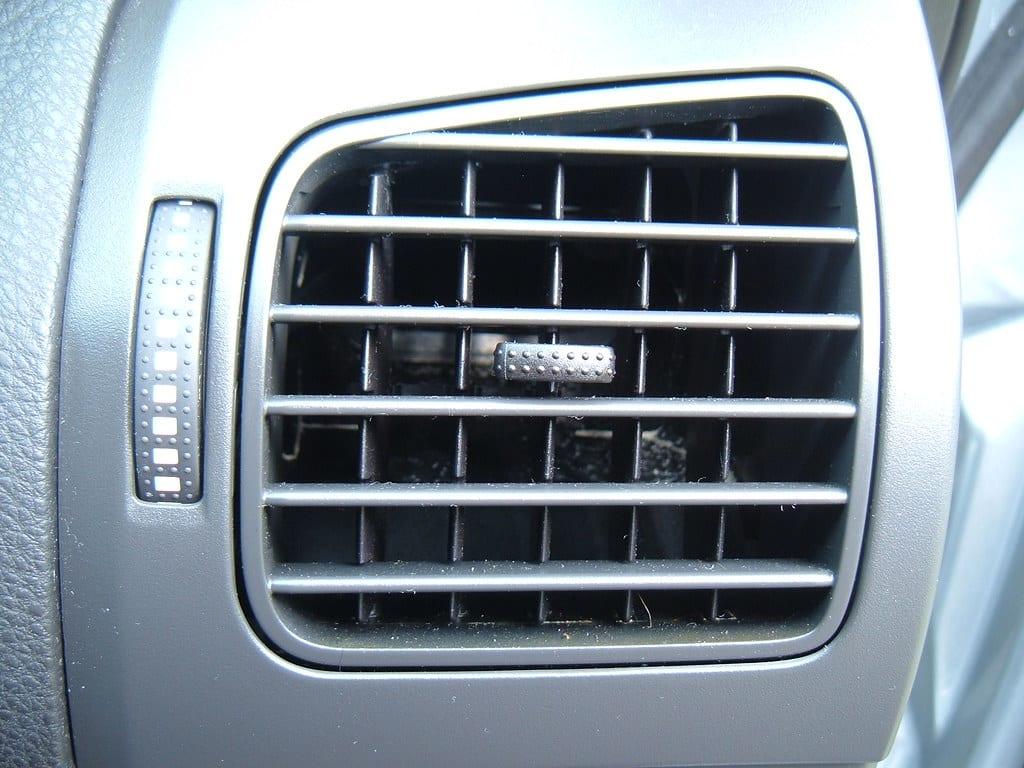
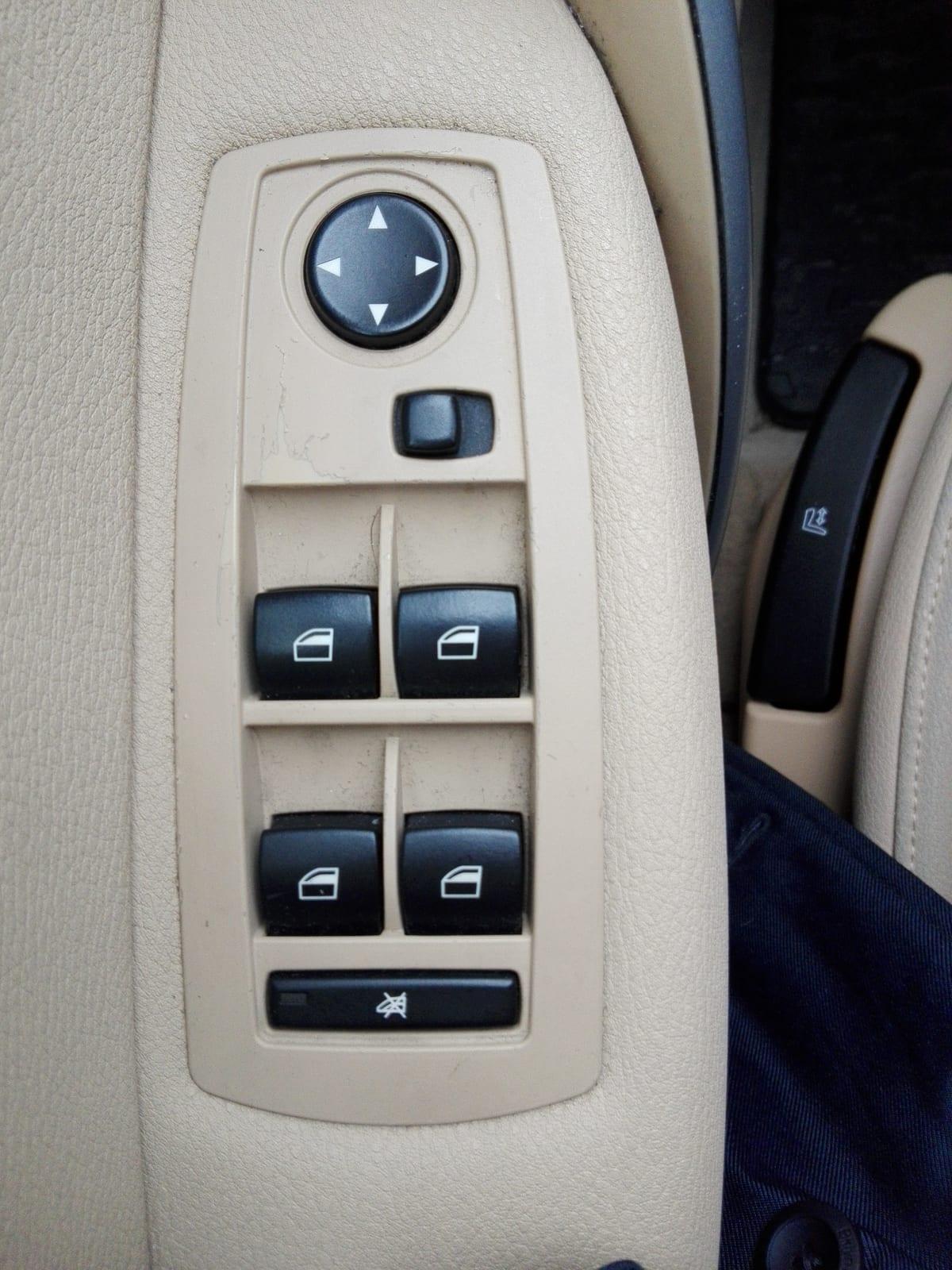
| Green: print it | Interior trim clips and fasteners, door card clips, switch and dash bezels, vent louvres and vanes, cupholder inserts, glovebox and console latches, speaker grille trim, phone and dashcam mounts, interior wiring routing clips, boot liner clips, badge backing plates, knob and switch caps. | PETG for most; ASA or ABS for anything on or above the dashboard. Failure means an inconvenience, nothing more. |
| Amber: possible, with the right material | Exterior trim and grille inserts, mirror caps, decorative light surrounds that cover no optical surface and carry no approval marking, cool-zone under-bonnet brackets for wiring or sensors, air intake ducting sections, wheel arch liner clips. | ASA for UV, or a high-temp material under the bonnet. Verify local temperatures first. Inspect these parts regularly. |
| Red: do not print | Anything in the brake, steering, suspension, fuel or cooling-pressure system. Seatbelt and airbag components. Seat mounts and child seat anchorages. Engine mounts, subframe parts, tow points. Wheels, hubs, spinning components. Anything near the exhaust or turbo. Roof rack and roof bar mounts of any kind, because anything that lets go at motorway speed becomes a projectile. Anything with a type-approval or homologation marking. | No material makes these acceptable. Buy the part, or buy a used one from a breaker. |
Heat Is the Constraint People Get Wrong
A car is a solar oven. Research published in the journal Temperature in 2018 by Vanos and colleagues, measuring cars parked in Arizona summer conditions, recorded cabin air temperatures around 47°C and dashboard surface temperatures around 69°C after an hour in direct sun. Those are not extreme outliers; they are a normal hot afternoon in a car park.
PLA deflects at 55°C at 0.45 MPa. That means a PLA part on a dashboard is not marginal, it is over the line, and it will sag into an unrecognisable shape in a single afternoon. PETG at 68°C is also below a sunlit dashboard, by a single degree, which is no margin at all. ASA at 93°C or ABS at around 100°C is the right answer for anything mounted on, above, or bonded to a dashboard, and for anything on the exterior where you also need UV stability.
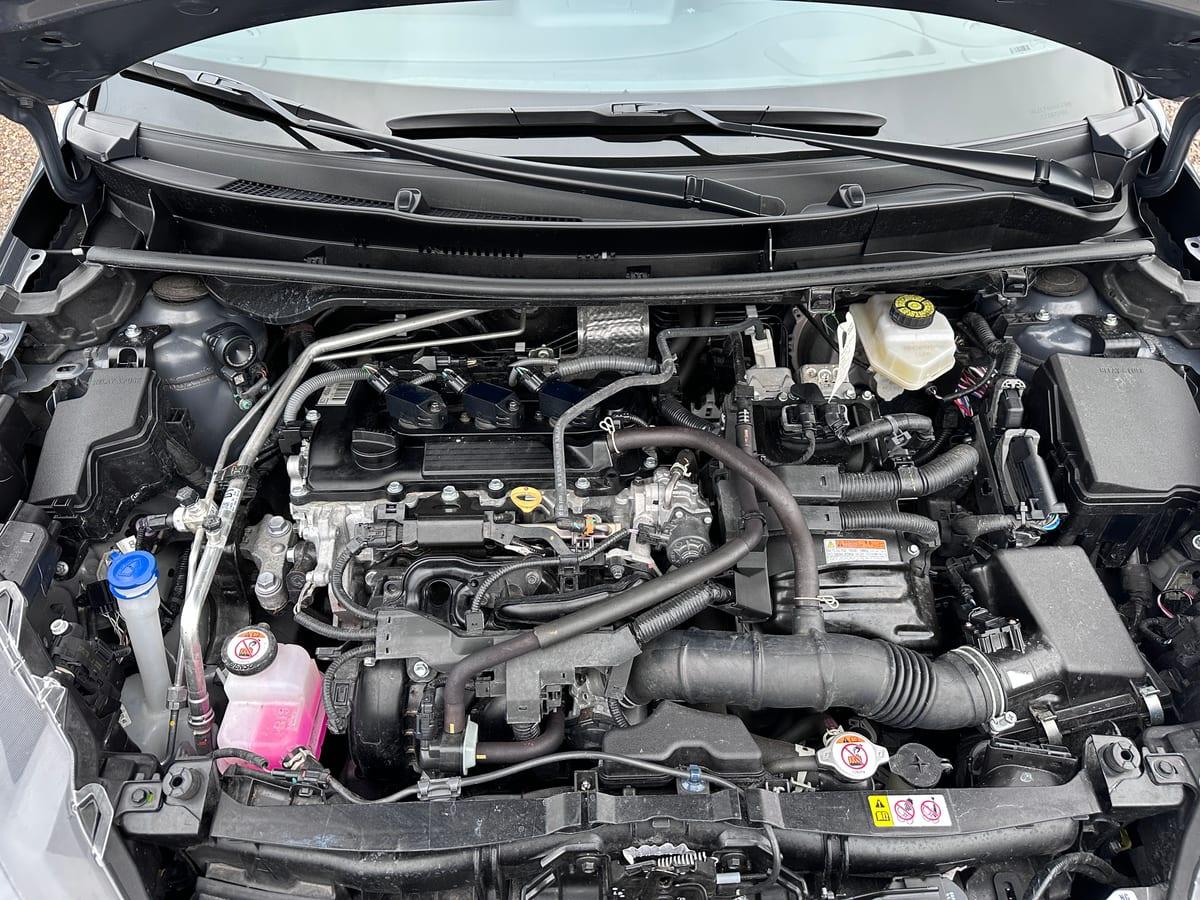
Under the bonnet, all of this gets worse and much more variable. Ambient under-bonnet temperatures after a hard run routinely exceed what any hobby filament tolerates, and radiated heat near the exhaust manifold or turbo is in a different league again. If you cannot measure the temperature at the exact mounting location, treat the engine bay as off limits.
Measured car temperatures against filament heat-deflection points
Dashboard surfaces in parked cars reach around 69°C. PLA deflects at 55°C and PETG at 68°C, so both sit below a sunlit dashboard. Only ASA at 93°C and ABS at around 100°C have real margin for parts mounted on a dashboard.
| thing | Temperature (°C) |
|---|---|
| Cabin air, parked in sun | 47°C |
| PLA deflects | 55°C |
| PETG deflects | 68°C |
| Dashboard surface, in sun | 69°C |
| ASA deflects | 93°C |
| ABS deflects | 100°C |
Source: Vehicle temperatures from Vanos et al., Temperature, 2018, measuring cars parked in direct sun in Arizona summer conditions. Filament heat deflection temperatures at 0.45 MPa from manufacturer technical data sheets, July 2026.
Trim Clips: The Highest-Value Printed Car Part
Clips are the best candidate in this whole category, though not for the reason people assume. A set of ten commissioned clips costs $18–35, which is roughly $1.80–3.50 each — about what a dealer charges per clip when the dealer still stocks them. Printing does not undercut an available OEM clip, and anyone telling you it does is not doing the arithmetic. What it does is solve the case where the part is discontinued, back-ordered for weeks, or only sold in a bag of five when you need eleven. On a car nobody stocks parts for any more, the comparison is not price against price; it is a working door card against a rattling one.
Two design points decide whether they work. First, fit tolerance: a clip is an interference fit, and printed parts come off the plate slightly oversized on external features. A maker will usually print a test clip, check it in your actual hole, and adjust by 0.1–0.2mm before running the batch. Insist on that step; it costs an hour and saves a reprint.
Second, orientation. A clip works by flexing a barb, and a barb printed so the bending load works across the layer boundaries will snap off on first insertion. Printed so the layers run along the length of the barb, the same geometry flexes hundreds of times. This is the whole difference between a clip that works and one that does not.
Typical commissioned cost of common printed car parts
Trim clip sets are the cheapest entry at $18–35 for ten. A dash or switch bezel, which needs the most reverse-engineering work, runs $40–110. Where a model already exists for your vehicle, expect the low end of each range.
| part | Typical low | Typical high |
|---|---|---|
| Trim clips (set of 10) | $18 | $35 |
| Vent louvre / vane | $25 | $60 |
| Cupholder insert | $25 | $55 |
| Phone / dashcam mount | $30 | $70 |
| Interior bracket | $30 | $80 |
| Dash or switch bezel | $40 | $110 |
Source: 3D Print Bounty maker quotes and comparable independent commissions, July 2026. Ranges reflect whether an existing model for the vehicle is available or the part has to be reverse-engineered from your measurements.
You can price the material side of any part yourself with our 3D printing cost calculator before posting a job, which is a useful sanity check on whether a quote is reasonable.
Where This Genuinely Beats Buying: Cars Nobody Stocks
For a five year old mainstream car, printing trim is a hobby. For anything from the 1970s to the early 2000s, or any model sold in small numbers, it is often the only option that exists. Interior plastics from that era are the first thing to disappear from parts catalogues and the last thing anyone reproduces commercially, because the tooling costs more than the total demand.
The same logic applies to imported and grey-market vehicles, where the part exists but not in your country, and to the long tail of vans, campers and light commercials whose interior fittings were built by third parties who no longer trade. Our car part printing service sees more of these than anything else, and the wider replacement parts service covers the same ground for household and appliance parts.
One practical note for older cars: original interior plastics have often shrunk, deformed or been repaired before. Measure the hole you are fitting into, not just the broken part, because forty years of heat cycling has probably moved it.
The Limits, Stated Plainly
We do not accept jobs for safety-critical car parts
Not brake components, not steering or suspension parts, not seatbelt or airbag hardware, not seat or child seat mounting, not fuel system parts, not anything within radiated heat of an exhaust. This is not legal boilerplate. A desktop FDM part has anisotropic strength, no fatigue data, no batch traceability and no certification, and none of those gaps can be closed by printing it thicker. If a part's failure could injure somebody, it belongs to a supplier with a test lab, not to a marketplace.
The same reasoning applies more gently to the amber list. An exterior mirror cap that comes loose at motorway speed is a hazard to the car behind you, so it needs a real mechanical attachment rather than tape, and it needs checking. A cool-zone under-bonnet bracket is fine right up until you discover the zone was not cool.
None of this makes printing car parts a bad idea. It makes it a good idea in a narrower band than the internet suggests, and within that band it is genuinely excellent. If you are unsure which side of the line your part falls on, our guide to getting a broken part 3D printed walks through the same decision for household parts.
Frequently asked questions
What car parts can you actually 3D print?
Non-structural interior parts: trim clips, dash and switch bezels, vent louvres, cupholder inserts, glovebox latches, phone and dashcam mounts, speaker grille trim, and interior wiring clips. Anything that only has to fit, look right and hold its own weight is a good candidate. Anything that carries load, restrains an occupant or lives near heat is not.
What car parts should never be 3D printed?
Anything in the brake, steering, suspension, fuel, airbag or seatbelt systems. Anything structural or load-bearing, including seat mounts, tow points and child seat anchorages. Anything within radiated heat of the exhaust or turbo. Wheels, hubs and anything spinning. These are not conservative guidelines, they are the line between a repair and a hazard.
Will a 3D printed part melt in a hot car?
PLA will, and so will PETG. Dashboard surface temperatures in cars parked in the sun have been measured at around 69°C. PLA deflects at 55°C and PETG at 68°C, both at 0.45 MPa, so a sunlit dashboard is over the line for either. ASA at 93°C or ABS at about 100°C is the correct choice for anything mounted on or above the dash, or on the exterior.
How much does a custom 3D printed car part cost?
A set of ten trim clips costs $18–35 commissioned, a vent louvre or vane $25–60, and a dash or switch bezel $40–110 as of July 2026. Price is driven by whether a model already exists for your vehicle. Reverse-engineering a part from your photos and measurements is most of the cost on a one-off.
Is it legal to fit 3D printed parts to a road car?
Cosmetic and interior parts are generally unregulated, the same as any aftermarket trim. Anything touching a safety system is different: modifying brakes, steering, restraints or lighting can affect roadworthiness certification and insurance. If a part has a homologation or type-approval marking on it, do not reproduce it.
Get a Car Part Quoted
Post photos of the broken part with a ruler in frame, your vehicle make, model and year, and where the part mounts. Makers who have done automotive trim before will bid, and your payment stays in escrow until the part is in your hand and fits.