Dishwasher Rack Clips: Custom Printed Replacements
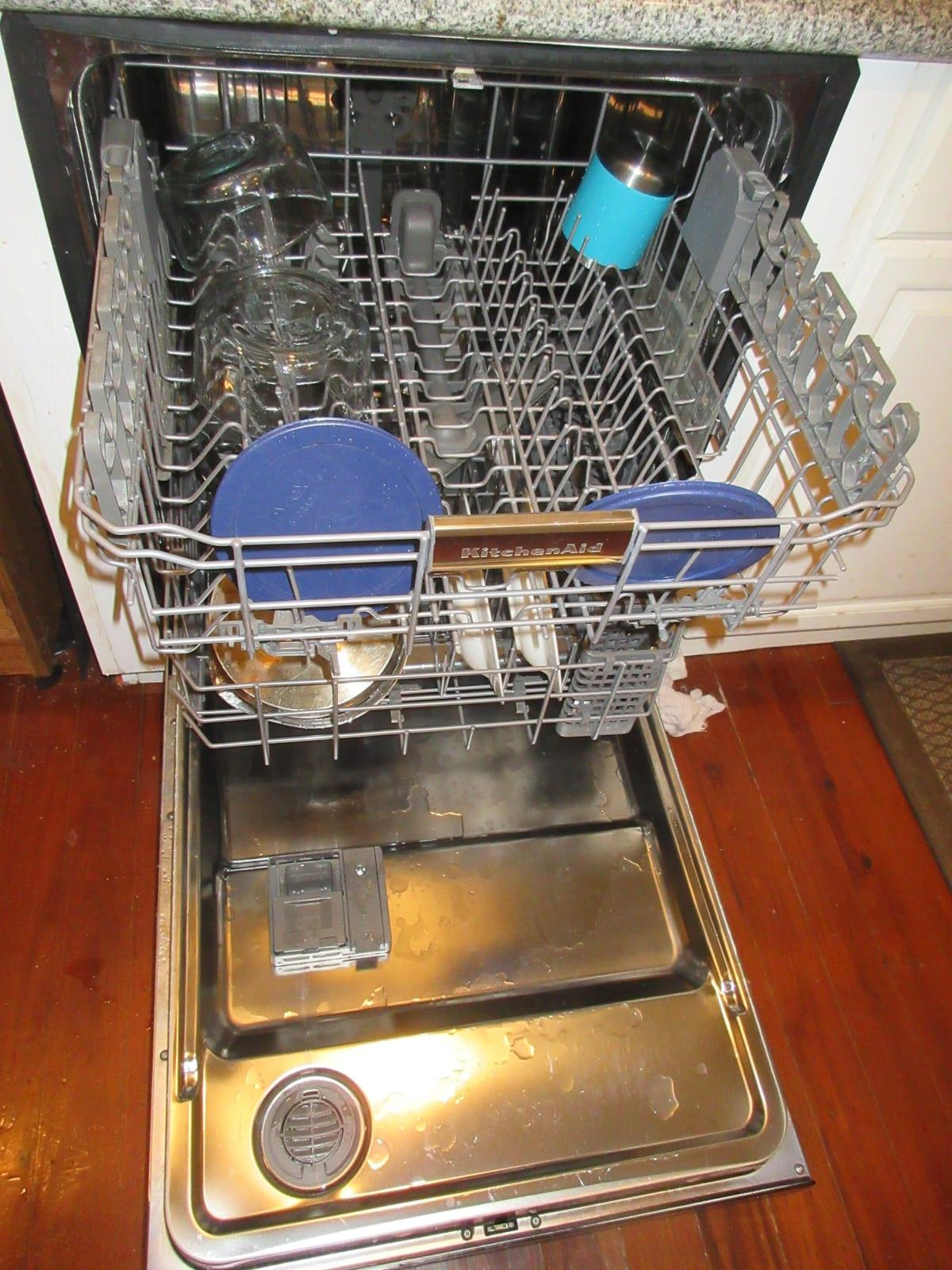
The clip is about four grams of plastic. It holds the upper rack on its rail, or keeps a row of folding tines upright, or caps the end of the rail so the rack does not roll out onto the floor. When it breaks, the dishwasher still runs, it just tips a rack of glasses into the door every third cycle until you deal with it.
Manufacturers price these parts at $8–30 when they stock them at all, and availability is inconsistent and often ends within a few years of a model being discontinued. This is the exact shape of problem 3D printing is good at, with one important condition: get the material wrong and the replacement will deform faster than the original did.
Can you 3D print a replacement dishwasher rack clip?
Yes. Print it in PETG, ABS, ASA or polypropylene, never PLA. A dishwasher sanitize cycle finishes with a rinse near 65°C, and PLA's heat deflection temperature is only about 55°C, so PLA clips soften and creep within a few cycles. A custom printed clip set costs $15–45 against $85–250 for a whole replacement rack.
Last verified: July 2026
Key takeaways
- •A dishwasher sanitize cycle finishes with a rinse near 65°C (150°F), above the roughly 55°C heat deflection temperature of PLA.
- •PETG has a heat deflection temperature of 68°C and is the practical default for dishwasher interior parts.
- •A custom printed clip set costs $15–45; a replacement upper or lower rack costs $85–250.
- •Bare rusted tine tips should be fixed with vinyl caps at $8–15 for 50, not with printed parts.
- •Rack clips typically grip 4–6mm wire, and that wire diameter is the single most important measurement to send.
Why PLA Fails and What to Use Instead
The inside of a running dishwasher is hotter and more chemically aggressive than most people assume. A normal main wash sits around 49–60°C. A sanitize cycle on a machine certified to NSF/ANSI 184, the voluntary residential dishwasher standard, finishes with a rinse near 65°C (150°F), and the air around a heated drying element goes higher still. On top of that, dishwasher detergent is strongly alkaline.
PLA loses to both conditions. Its heat deflection temperature is about 55°C, which means a loaded clip creeps out of shape rather than snapping cleanly, and PLA is a polyester that hydrolyses in hot alkaline water. A PLA clip does not usually fail on cycle one. It fails on cycle fifteen, which is worse, because by then you have forgotten it was a repair.
Heat deflection temperature by filament, against dishwasher cycle temperatures
A dishwasher sanitize rinse reaches about 65°C. PLA deflects at about 55°C and fails. PETG at 68°C clears it only barely; ASA and ABS at 93–100°C clear it comfortably.
| material | Heat deflection temp (°C) |
|---|---|
| PLA | 55°C |
| PETG | 68°C |
| ASA | 93°C |
| ABS | 100°C |
Source: Heat deflection temperature at 0.45 MPa: Prusament PLA, PETG and ASA technical data sheets, and Polymaker PolyLite ABS TDS V5.5, July 2026
PETG is the right default for rack parts away from the element. Its 68°C heat deflection temperature clears the 65°C sanitize rinse, though only just, and it shrugs off alkaline detergent, prints on any machine without an enclosure, and is tough rather than brittle, which matters for a part that gets snapped on and off a wire. Because the margin is thin, do not ask for PETG on a part that is also carrying load while hot.
ASA and ABS are the upgrade for anything close to the heating element or in the lower rack of a machine with a heated dry. Both need an enclosure to print without warping, so expect a slightly higher quote.
Polypropylene is what the original clip was almost certainly moulded from. It has the best chemical resistance and a useful amount of flex, which is exactly what a snap-fit clip wants. It is also genuinely awkward to print, needs a PP-specific build surface, and not every maker offers it. Ask, but do not insist.
Skip nylon. Its temperature numbers look great and it absorbs water aggressively, which in a dishwasher means dimensional drift and loss of stiffness within weeks.
What It Costs Against the Alternatives
If the manufacturer still stocks the clip, buy the manufacturer's clip. It is injection-moulded polypropylene, it fits, and at $8–30 nobody can print it cheaper. The case for printing starts at the point where the part number returns no results, which on many models happens within a few years of production ending.
Cost of each route back to a working rack
A custom printed clip set at $15–45 sits between a stocked OEM clip and a full replacement rack. Replacing the whole rack at $85–250 is only justified when the steel wire itself has corroded through.
| option | Typical low | Typical high |
|---|---|---|
| Vinyl tine tip caps (50) | $8 | $15 |
| OEM clip, if stocked | $8 | $30 |
| Custom printed clip set | $15 | $45 |
| Replacement rack | $85 | $250 |
Source: 3D Print Bounty maker quotes, appliance parts retailer listings and OEM accessory pricing, July 2026
The material cost is a rounding error, which is why quoting these jobs by weight makes no sense. What you are actually paying for is the modelling: someone has to measure the broken original, or measure the rail and wire it has to grip, and produce a snap fit that holds without cracking. That is typically one to two hours of CAD, and it is the whole quote. The same logic applies to every part in our replacement parts service.
Order more than one. Once the model exists, additional copies cost pennies of filament and a few minutes of print time, and clips fail in the same places on the same machine. Ask for a set of four; almost no maker will charge four times the price.
When Printing Is the Wrong Answer
Bare, rusting tine tips. This is the most-searched dishwasher rack problem and it is not a printing job. The tips are a soft vinyl dip coating, and the replacement is a pack of 50 push-on vinyl or silicone caps for $8–15, usually sold with a bottle of touch-up sealant. A rigid printed cap on a corroded wire traps water against the steel and accelerates exactly the failure you were fixing.
Anything structural in the door or latch. The door latch assembly and the door springs carry real load and interact with the machine's safety interlock. A printed part there is not a repair worth making.
A rack whose wire has corroded through. If the steel itself has failed, new clips will not save it. At that point $85–250 for a replacement rack is the honest answer, and it is worth checking whether a generic universal rack fits your cavity before paying the brand price.
What to Send to Get a Firm Quote
Rack clips are small enough that a maker can model one from good photographs and three numbers. Send all of this and you will get a price instead of a conversation.
| What to send | Why it matters |
|---|---|
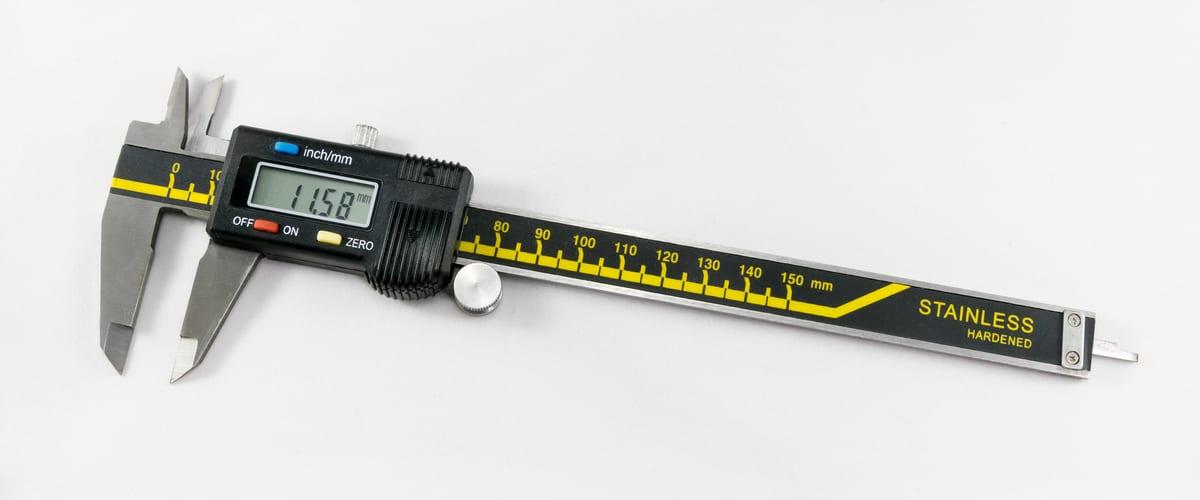
| Wire diameter the clip grips | Usually 4–6mm including the vinyl coating. This single number sets the whole snap geometry, and it must be measured on the coating, not the bare steel. |
| Centre-to-centre wire spacing | Needed for any clip that spans two wires, such as tine row hinges and basket mounts. A 1mm error here means the clip will not seat. |
| Photos of the intact opposite side | Clips fail in pairs but rarely at the same time. The surviving one is a far better reference than the broken one. |
| Photo with a ruler or caliper in frame | Lets a maker scale everything else from one known dimension. This is the single highest-value thing in the list. |
| Brand, model and serial number | Sometimes the part is still available and the honest answer is to buy it. A maker worth hiring will check. |
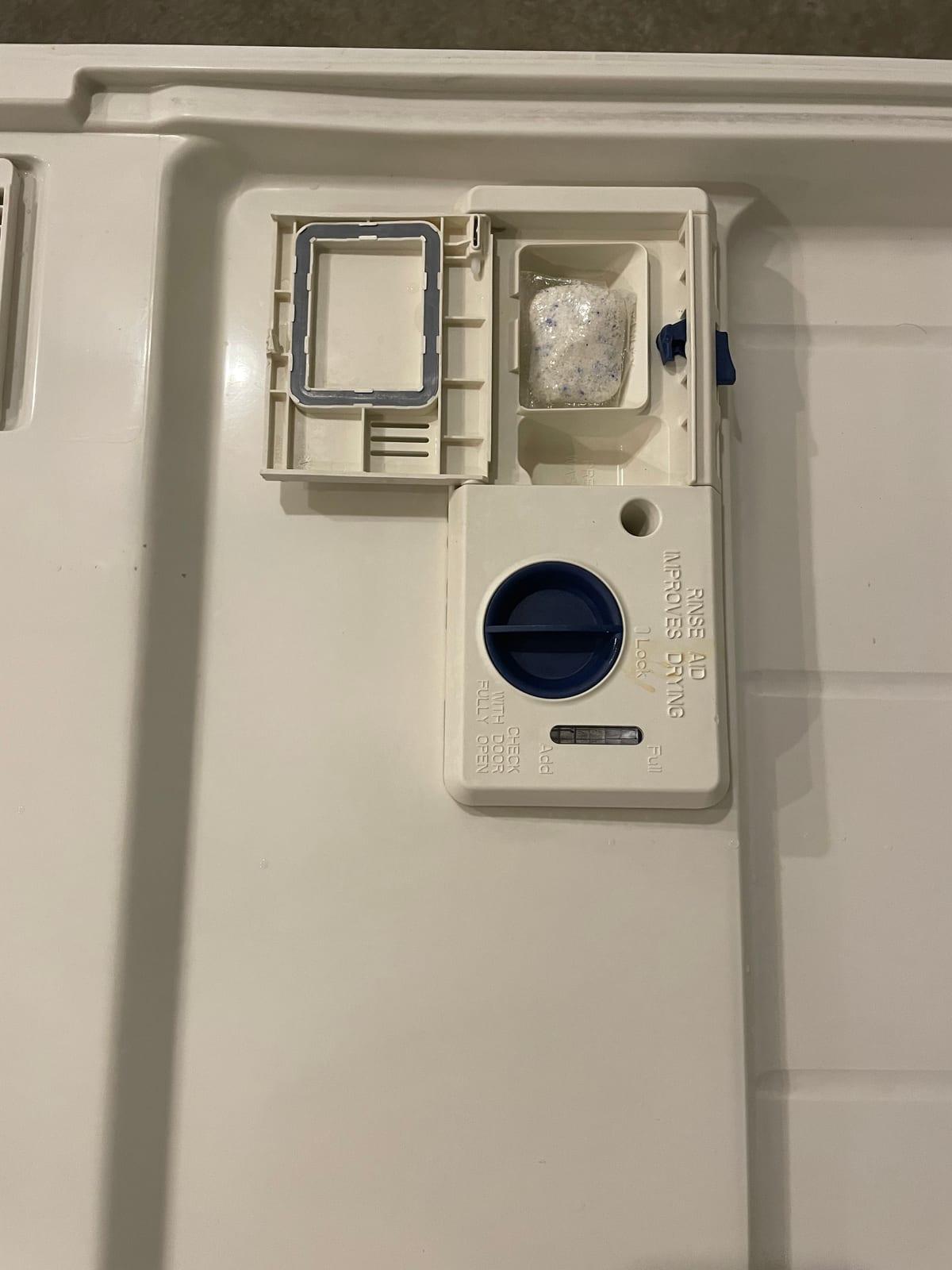
| Whether it is above or below the heating element | Decides PETG versus ASA. Lower rack parts on machines with a heated dry see meaningfully higher temperatures. |
Fit tolerance for snap-fit clips
Ask your maker to leave 0.2–0.3mm of clearance on the gripping face of a PETG clip. Too tight and the clip splits on first installation; too loose and it walks off the wire during a wash. If you are printing it yourself, print one, test the fit, then print the other three. Nobody gets a snap fit right on the first attempt, which is covered in more depth in our guide to getting a broken part 3D printed.
Frequently asked questions
Can you 3D print dishwasher rack clips?
Yes, provided you print them in PETG, ABS, ASA or polypropylene rather than PLA. A dishwasher sanitize cycle runs a final rinse around 65°C, and PLA has a heat deflection temperature of only about 55°C, so a PLA clip deforms within a few cycles. A printed clip set typically costs $15–45.
What material should dishwasher parts be printed in?
PETG is the practical default: its heat deflection temperature is 68°C, it resists alkaline detergent, and it prints on any machine. ASA at 93°C and ABS at about 100°C are better for parts near the heating element. Polypropylene matches the original equipment material and has the best chemical resistance of the four, but it is difficult to print and needs a PP-specific build surface.
Is it cheaper to print a clip or buy a new dishwasher rack?
Far cheaper. A replacement upper or lower rack costs $85–250 depending on brand, while a custom printed clip set costs $15–45. Racks are usually only worth replacing when the steel wire itself is corroded through, not when the plastic clips or end caps have failed.
What about the bare rusty tine tips on my rack?
Do not 3D print those. Vinyl or silicone tine tip caps sell in packs of 50 for $8–15 and are made from a soft material that FDM printing cannot reproduce. Printing rigid tips on rack wires makes the rust worse by trapping water. Caps and touch-up paint are the correct fix.
What measurements does a maker need to print a rack clip?
The wire diameter the clip grips (usually 4–6mm), the centre-to-centre spacing if it spans two wires, the overall footprint, and clear photos of the intact side if only one of a pair has broken. Send a photo with a ruler or caliper in frame; that alone resolves most quoting questions.
Get Your Clip Printed
Post photos of the broken clip and the intact one, the wire diameter and your dishwasher model. Makers who do appliance parts will bid, and your payment stays in escrow until you have approved photos of the finished part.