Rent a 3D Printer, or Just Pay Someone to Print It?
People search for 3D printer rental constantly, and then find almost nothing that is actually a rental. That is not a gap in the market waiting to be filled. It is the market telling you something: printers got cheap enough that renting one stopped making sense before anyone built the business.
What you probably want is a part, not a machine. So here are the four routes that do exist, what each really costs in money and in your own hours, and the specific situations where each one wins.
Can you rent a 3D printer, and what should you do instead?
Consumer 3D printer rental barely exists, because an entry-level machine costs $180 to $350. Library or makerspace access at $0.05 to $0.25 per gram is the cheapest cash route up to about 33 parts a year; above that, buying wins. Under 7 parts, commissioning costs more but saves 8 to 15 hours.
Last verified: August 2026
Key takeaways
- •Entry-level FDM printers list at $180 to $350 as of mid-2026, which is why almost nobody rents them out.
- •US public library maker spaces commonly charge $0.05 to $0.25 per gram, so a 60 gram part costs roughly $3 to $15.
- •Buying breaks even against commissioning at roughly seven to eight parts, and against library access at around thirty-three, assuming a $250 printer and a $35 commission — the midpoint of the $20-60 range used throughout this post.
- •Most people need 8 to 15 hours before their first genuinely usable print, spread across assembly, slicer learning and failed attempts.
- •Commissioning costs $20 to $60 for a typical small part and about 20 minutes of your own time, which is the lowest time cost of any route.
Why Almost Nobody Rents Out 3D Printers
Rental works on assets that are expensive, durable and hard to ship damage into. A 3D printer is now none of those. Round-trip shipping on a desktop machine runs a meaningful fraction of what the machine costs, the bed goes out of level in transit, and the first thing a renter does with an unfamiliar printer is crash the nozzle into the build plate.
Run the numbers as a rental operator and you need to charge enough per month that six to nine months of payments equal the purchase price, just to cover the machine, shipping, refurbishment and support. At that price, a customer who needs a few parts a year would be better off buying. So the product does not exist, and the businesses that tried mostly pivoted to printing parts instead.
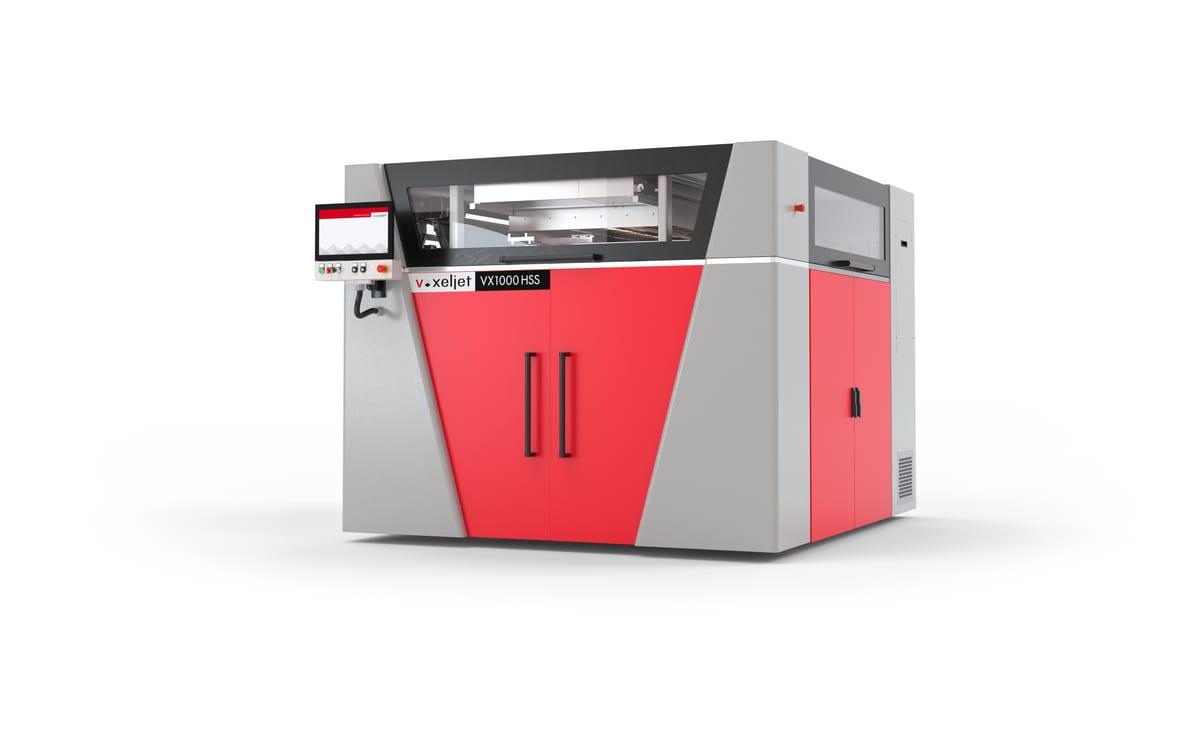
Genuine rental does exist further up the stack. Industrial SLS, SLA and large-format FDM machines are leased to businesses on multi-year terms, because those machines cost tens of thousands and the economics work. That is a procurement decision, not a weekend project.
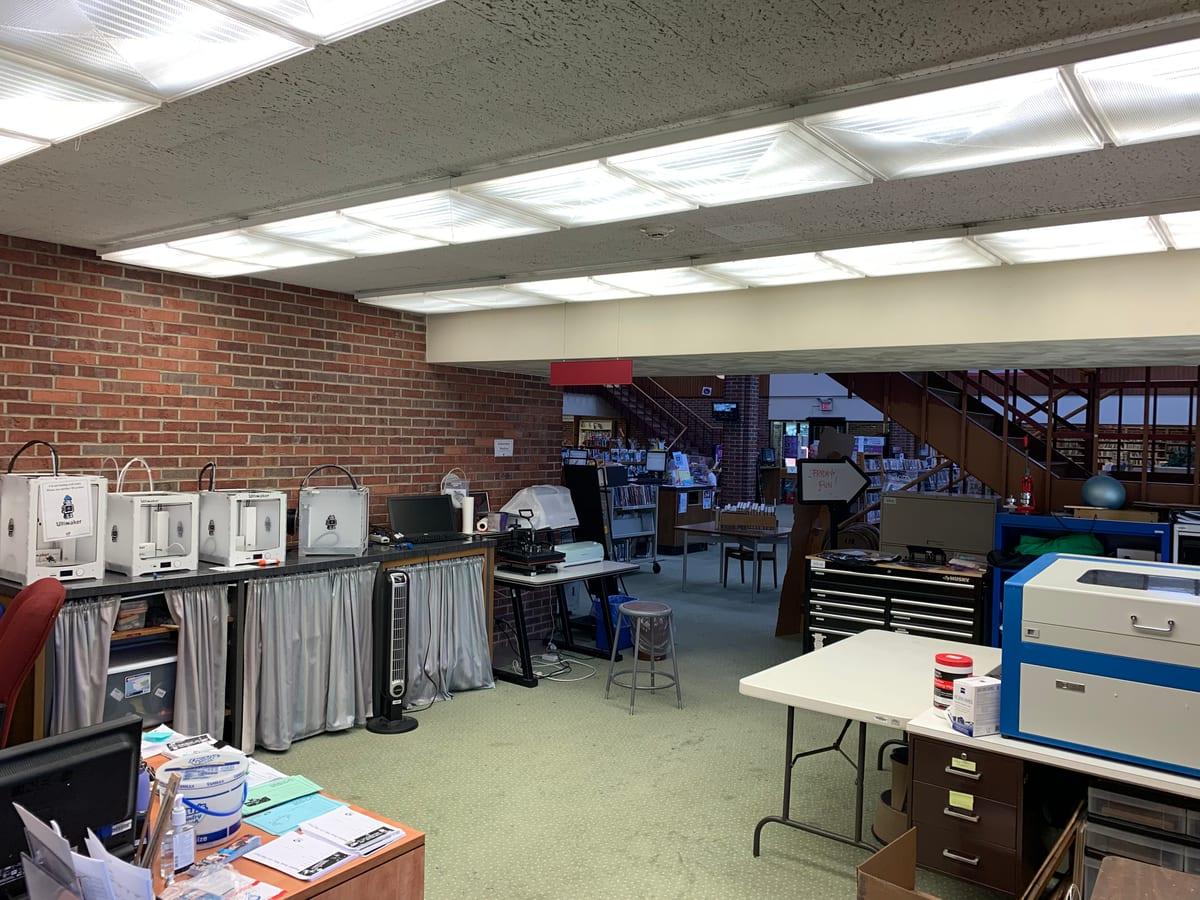
Option 1: Library and Makerspace Access
This is the closest thing to renting a printer that most people can actually get, and it is genuinely cheap. Public library maker spaces are widespread across the US, and the common fee model is by weight, usually somewhere in the $0.05 to $0.25 per gram band. A 60 gram bracket costs three to fifteen dollars. Some charge per hour of machine time instead, typically a few dollars an hour.
Makerspaces sit one level up: $40 to $125 a month for membership, plus a $20 to $60 orientation class at many of them, in exchange for better machines, more materials, and people who will look at your model and tell you what is wrong with it. If you want to learn rather than just to obtain a part, this is the best money in the whole comparison.
Both come with real operational constraints — single-print time caps of two to four hours, a PLA-only filament shelf, mandatory orientation and a multi-day queue — and they decide whether shared access works for your specific part more than the price does. Our guide to 3D printer rental near you walks through what to ask before you drive over and what to bring when you do. This page is about which route to pick in the first place.
Option 2: Just Buy the Printer
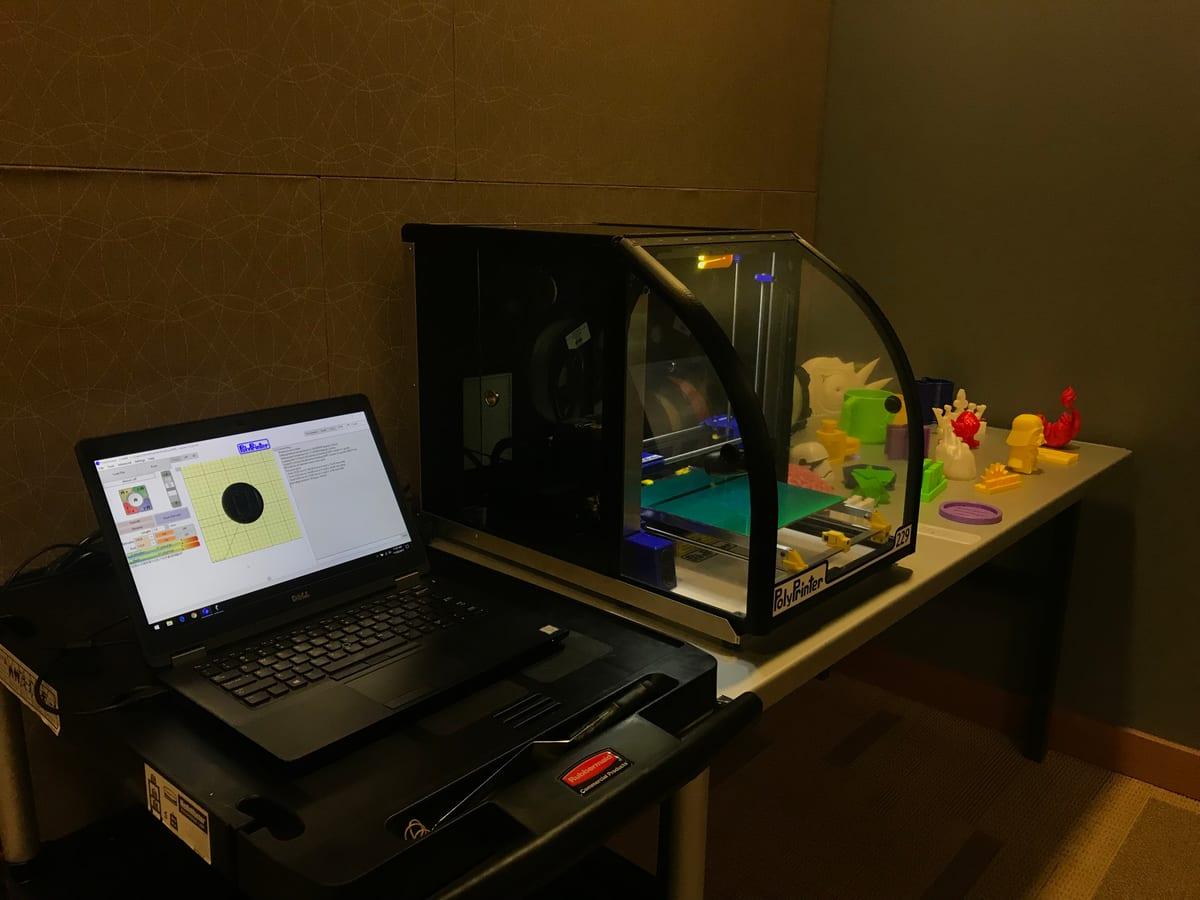
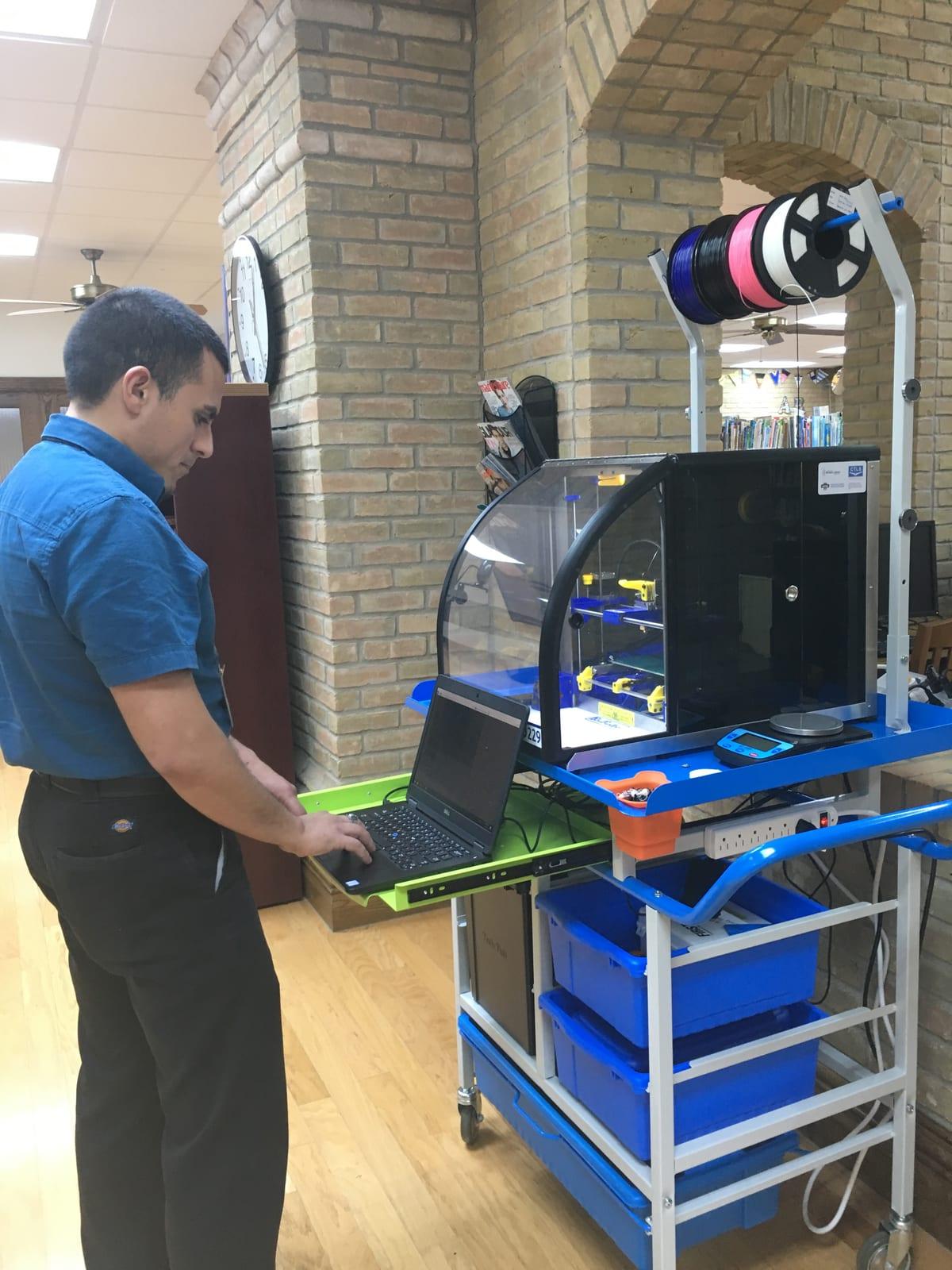
Entry-level FDM printers list at $180 to $350 as of mid-2026, and the cheap end of that range is now genuinely good: auto bed levelling, sensible defaults and a slicer that mostly works out of the box. Against a $35 commission, the midpoint of the $20 to $60 range, the machine pays for itself at around the eighth part.
The number that comparison hides is your time. Most people need 8 to 15 hours before a part comes off the bed that they would actually use for something: assembly, first-layer troubleshooting, learning enough of a slicer to place supports deliberately, and two or three failures that teach more than any tutorial. That is a good investment if you intend to keep printing and a terrible one if you needed one bracket.
There is a second hidden cost nobody warns you about. A printer that sits unused for six months rarely starts first time. Filament absorbs moisture, the bed adhesion changes, the nozzle partially clogs. Owning a printer is a small ongoing commitment, not a purchase.
Cumulative cost by number of parts: buy, library, or commission
Two crossovers, not one. Buying overtakes commissioning at roughly seven to eight parts, and overtakes library access at around thirty-three: by 50 parts the library has cost $450 in material fees against $316 to own the machine outright. Library access is the cheapest cash route only at low volume, and it is the route that charges you in trips and scheduling rather than money.
| parts | Buy a printer | Library / makerspace | Commission it |
|---|---|---|---|
| 1 part | $251 | $9 | $35 |
| 3 parts | $254 | $27 | $105 |
| 5 parts | $257 | $45 | $175 |
| 10 parts | $263 | $90 | $350 |
| 25 parts | $283 | $225 | $875 |
| 50 parts | $316 | $450 | $1750 |
Source: Worked example: entry-level FDM printer at $250 manufacturer list plus filament at $22/kg on a 60 gram part ($1.32 each); library fees at $0.15 per gram, the midpoint of the $0.05-0.25 band; commissioning at $35 per small part, the midpoint of the $20-60 range. Ranges from 3D Print Bounty maker quotes and comparable independent commissions, August 2026.
Hours of your own time per part
Commissioning costs about 20 minutes of attention per part. A first print on a printer you just bought costs around 12 hours, which is the figure the purchase-price comparison always leaves out.
| route | Your hours per part |
|---|---|
| Commission it | 0.3 h |
| Own a printer (steady state) | 0.8 h |
| Library or makerspace | 2.5 h |
| Own a printer (first part) | 12 h |
Source: 3D Print Bounty editorial estimates, July 2026. Indicative figures rather than measured times. Excludes unattended print time; includes travel, slicing, troubleshooting and reprints.
Option 3: Monthly Hardware Subscriptions
A handful of services do rent hardware on a monthly basis, and the arithmetic is unforgiving. Any rental priced so that six to nine months of payments equal the purchase price is worse than buying for anyone who keeps the machine longer than that, and worse than commissioning for anyone who does not.
The narrow case where it genuinely works: you need a specific expensive machine for a defined project. A large-format printer for a three-month prop build, or an industrial process you are evaluating before purchase. That is a real reason. "I might print some things" is not.
Option 4: Pay Someone Who Already Owns One
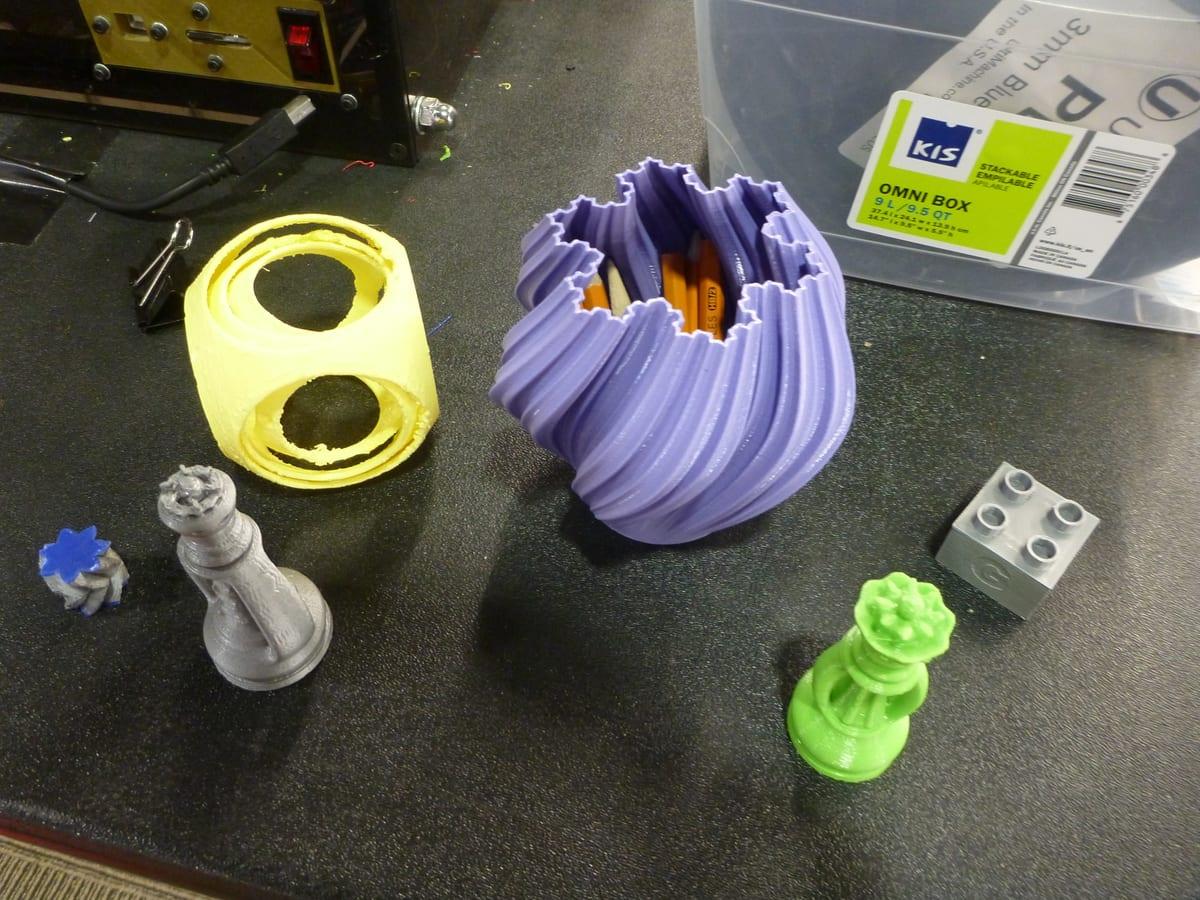
A typical small part costs $20 to $60 commissioned, and about twenty minutes of your time to describe. What you are actually buying is not plastic. It is a calibrated machine, a material choice you do not have to research, and somebody who notices that your wall is 0.6mm thick and will snap before you pay for it.
The honest limitation is per-part economics. Above roughly seven or eight parts, commissioning costs more than owning, and by fifty parts it is not close: $1,750 against $316. If you know you are heading that way, buy the printer and treat the first month of failures as tuition. Our guide to finding 3D printing near you covers how local and online options compare on turnaround.
The Decision, in One Table
| Your situation | Best route | Why |
|---|---|---|
| One broken part to replace | Commission it | $20–60 and twenty minutes, against $250 and a weekend |
| You want to learn the hobby | Makerspace, then buy | Someone experienced watching your first prints is worth more than the machine |
| Iterating on a design | Buy a printer | Five revisions in a day is impossible any other way |
| A part in nylon, ASA or carbon fibre | Commission it | Entry-level machines cannot run these reliably, and library printers will not have them |
| A school or club project on no budget | Library | Often free or a few dollars in material fees |
| A deadline this week | Commission it | Library queues and a learning curve are both measured in days |
The question that settles it
Ask yourself how many parts you will genuinely print in the next twelve months. Up to about thirty-three, library or makerspace access is the cheapest cash route. Over thirty-three, buy a printer: past that point it is cheaper than even the library. Under seven, commissioning costs more than the library but not much, and it removes the trips and the setup entirely, so that range is decided by how you want to spend the hours rather than the dollars.
Frequently asked questions
Can you rent a 3D printer?
Rarely, and mostly not in the way people expect. Consumer 3D printer rental barely exists because an entry-level machine now costs $180 to $350, which is less than the shipping, cleaning and support a rental business would need to charge for. What does exist is hourly access at libraries and makerspaces, and commercial leasing of industrial machines.
How much do libraries charge to use their 3D printer?
Most US public library maker spaces charge by weight, commonly in the $0.05 to $0.25 per gram band, sometimes with a small session fee. A 60 gram part therefore costs roughly $3 to $15. Many require an orientation session first and cap single prints at two to four hours, which rules out large parts.
Is it cheaper to buy a 3D printer or pay someone to print?
Buying breaks even at roughly seven to eight parts. An entry-level printer at $250 plus about $1.32 of filament per small part overtakes a $35 commission — the midpoint of the $20 to $60 typical range — somewhere around the eighth print, and overtakes library material fees at around thirty-three parts. That comparison ignores the 8 to 15 hours most people spend before their first genuinely usable print comes off the bed.
How long does it take to learn to use a 3D printer?
Expect 8 to 15 hours spread over the first week before a part comes out usable: assembly and levelling, learning a slicer, and two or three failed prints that teach you what went wrong. After that a routine part costs you under an hour of attention. The learning curve is real but it is front-loaded, not permanent.
When does commissioning a print clearly beat every other option?
When you need one or two parts, when the part needs a material or a machine you do not have, or when the deadline matters. Commissioning costs $20 to $60 for a typical small part and takes about 20 minutes of your time. Every other route asks for hours before it asks for money.
Skip the Machine, Get the Part
Post what you need with dimensions or a photo. Makers who already own tuned machines will bid on it, and your payment stays in escrow until you have approved photos of the finished part.