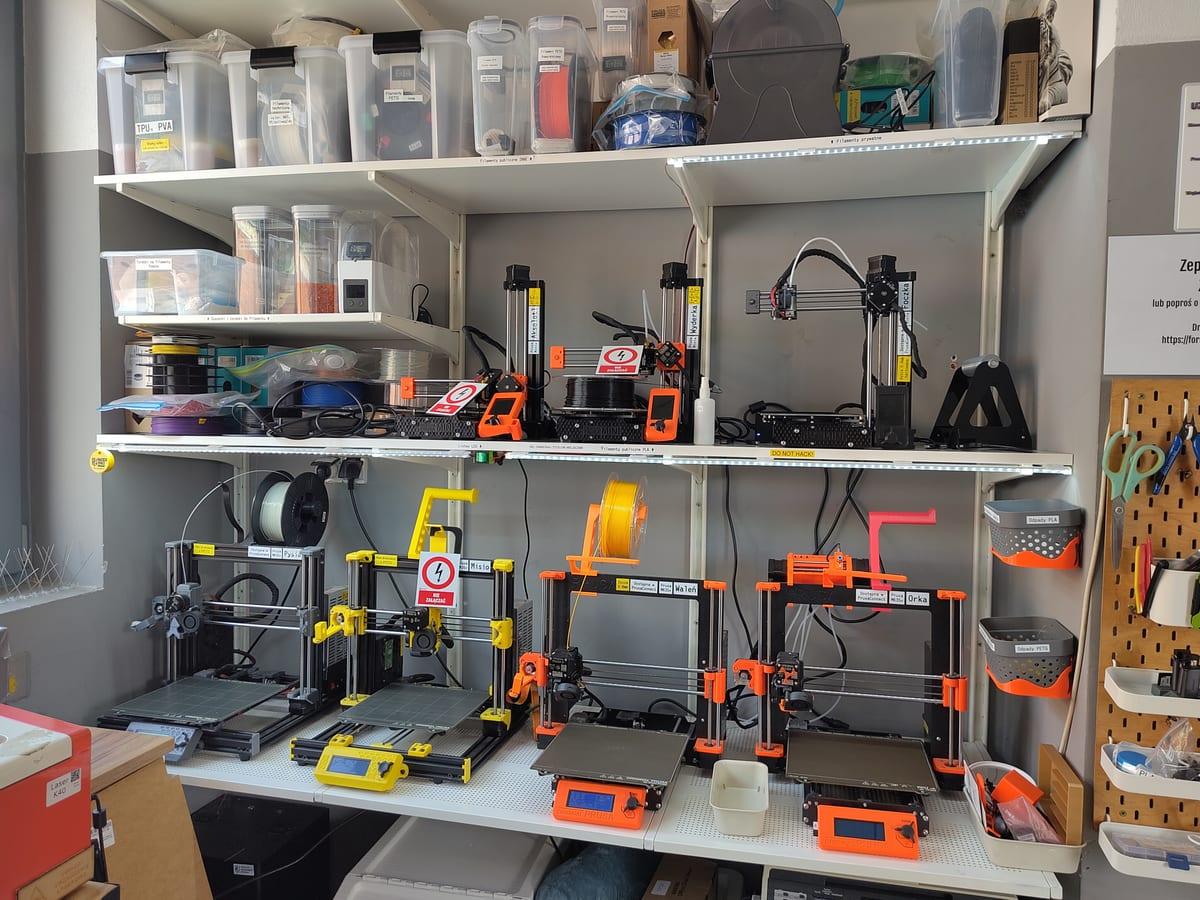
Treatstock Alternatives: 7 Places to Get a 3D Print Made
Treatstock is a real marketplace with a real network behind it, and if you have landed here because a quote came back higher than you expected or a manufacturer near you was not available, that is a pricing and coverage question rather than a trust question. Worth saying plainly, because most "alternatives to X" posts are hit pieces and this one is not.
What follows is what Treatstock actually charges, seven places to get a 3D print made instead, and the one structural question worth asking any of them: what happens to your money between the moment you pay and the moment the part is in your hands.
What are the best alternatives to Treatstock for getting a 3D print made?
The seven realistic alternatives are an independent maker marketplace, Craftcloud, Xometry, Protolabs Network, JLC3DP, Shapeways and a local library makerspace. For a single 120g PETG part delivered in the US, expect $25–75 from a marketplace against $90–250 from an industrial bureau with minimum order charges.
Last verified: July 2026
Key takeaways
- •Treatstock’s Help Center puts its selling fee at "not lower than $2.99" and "doesn't exceed 25%" (checked August 2026). The service fee is included in what the customer pays and then withdrawn from the manufacturer, so it is priced into the quote either way.
- •A single 120g PETG part delivered in the US runs about $25-75 through a marketplace and $90-250 through an industrial bureau with minimum order charges.
- •Industrial bureaus like Xometry and Protolabs Network are the right answer for certified materials and tight tolerances, and the wrong answer for a $30 household part.
- •Overseas batch services such as JLC3DP have the lowest unit prices on batches and the longest lead times, typically 10-25 days delivered. On a single part they are not the cheapest route.
- •The question that separates platforms is escrow: whether your money is released on dispatch or after you have approved photos of the finished part.
What Treatstock Is and What It Charges
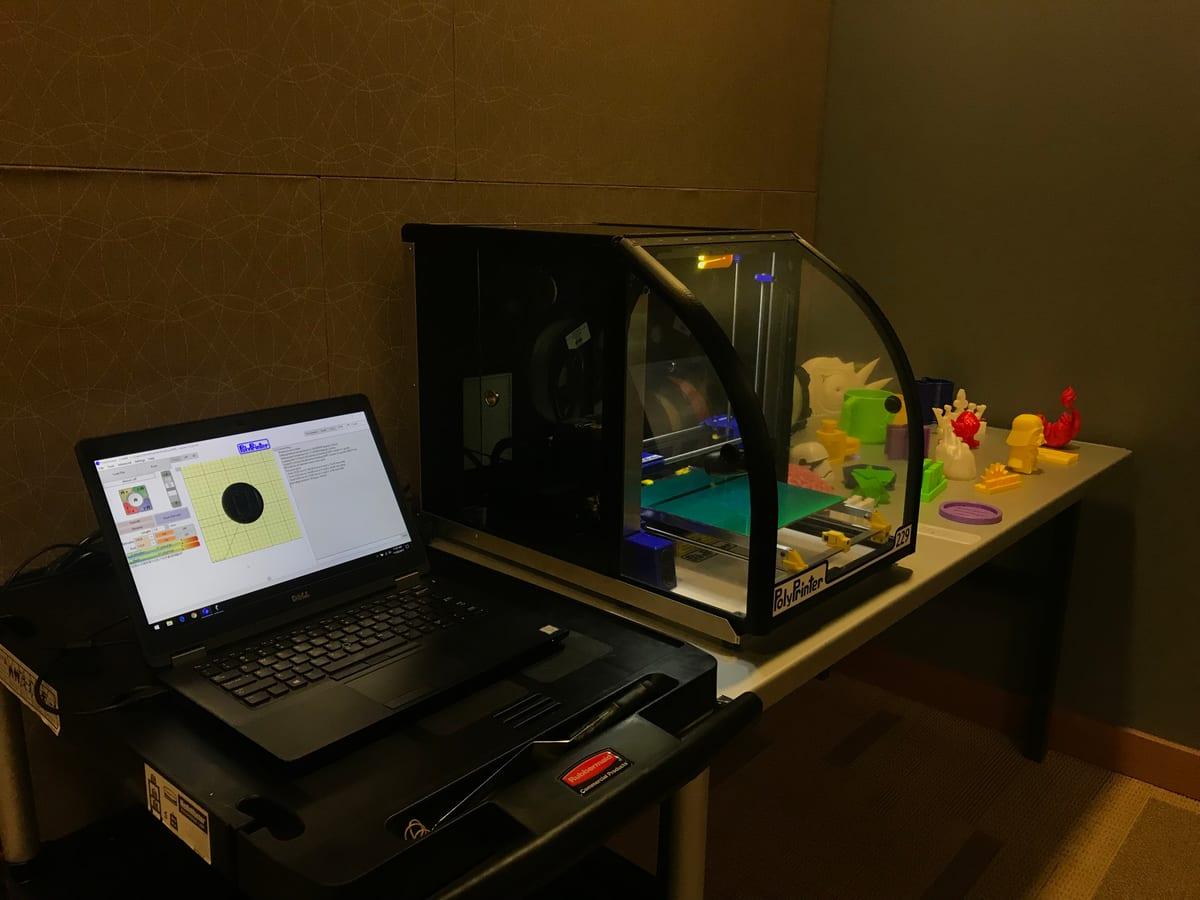
Treatstock is a long-running online 3D printing marketplace. You upload a model, its engine produces instant quotes from a network of independent manufacturers worldwide, and you pick one based on price, location and public rating. It also runs its own model-preparation tools, so you can get from a file to a delivered part without ever opening a slicer.
The genuine strengths are breadth and speed of quoting. A global manufacturer network means you can find a very cheap provider for a simple part, and instant quoting means you know the price in seconds rather than after a day of bids.
On fees: Treatstock's Help Center article on selling fees states that “for services provided on Treatstock we charge a fee not lower than $2.99 and doesn't exceed 25%”. Its separate manufacturing-fee article says the service fee is charged to the customer as part of the manufacturing fee and is then withdrawn from the manufacturer's Treatstock account once the order completes. We checked both pages in August 2026; marketplace fee schedules change, so read the current version rather than this summary.
Read the 25% as a ceiling rather than a flat rate, with a $2.99 floor underneath it. Neither page publishes the schedule in between, so treat any precise percentage you see quoted elsewhere with suspicion. What matters for comparison is that the fee is priced into the quote either way, which is worth remembering when you set a marketplace number against a maker you hire directly.
Treatstock's published return policy refunds for non-delivery, or for a fault or defect in the product, with a seven-day window to complain after delivery on orders placed on its own site (checked August 2026). Marketplace terms change, so read the current version before ordering rather than trusting any third-party summary, including this one.
Seven Places to Get a 3D Print Made Instead
1. An independent maker marketplace (including us)
Instead of an instant quote from a price engine, you post the job and makers bid on it. Slower to a number, usually a day rather than seconds, but the bidding pressure runs the other way and you can describe a job that no quoting engine understands: a discontinued part with no file, a repair, an odd material request. Best for one-off custom work and replacement parts. Weakest for large production runs, where an industrial bureau will beat it.
2. Craftcloud by All3DP
An aggregator rather than a manufacturer. You upload once and Craftcloud returns priced options from a range of service bureaus across materials and processes, then routes the order to whichever you choose. Best when you want to compare many bureaus without filling in six quote forms. Weakest on anything requiring a conversation, because you are ordering from a catalogue rather than talking to a person.
3. Xometry
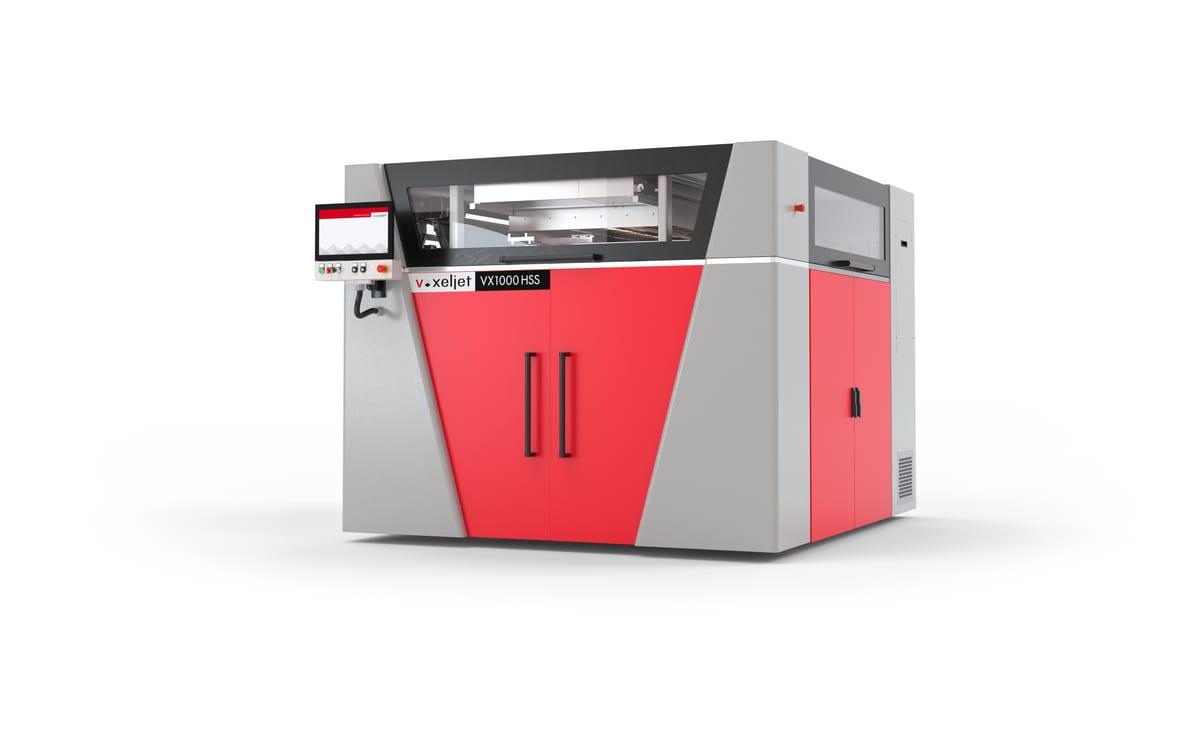
An on-demand manufacturing marketplace with an instant quoting engine covering FDM, SLA, SLS, MJF, CNC machining and injection moulding. Best for engineering parts where you need a specified material, a tolerance callout and documentation. Weakest on small consumer jobs: minimum order charges make a single $30 bracket uneconomic.
4. Protolabs Network
The former 3D Hubs, acquired by Protolabs in 2021 and rebranded. A vetted manufacturing network with automated design-for-manufacture feedback, which will tell you that your wall is too thin before it prints it badly. Best for functional engineering parts and low-volume production. Weakest for hobby work, for the same minimum-order reason as Xometry.
5. JLC3DP
The 3D printing arm of JLCPCB, printing resin, MJF nylon and FDM at prices that look like typos if you are used to US bureaus. Best for batches of small parts where unit cost dominates. Weakest on lead time and on anything you need to discuss: shipping from overseas typically puts delivery at 10 to 25 days, and customs handling is your problem.
6. Shapeways
A long-running consumer and designer-facing print service. Note the history before you rely on it: Shapeways Holdings ceased operations and filed for Chapter 7 bankruptcy on 2 July 2024, and the brand's assets subsequently changed hands, with the service relaunched under new ownership. Verify current materials, pricing and lead times directly rather than trusting older reviews.
7. Your local library or makerspace
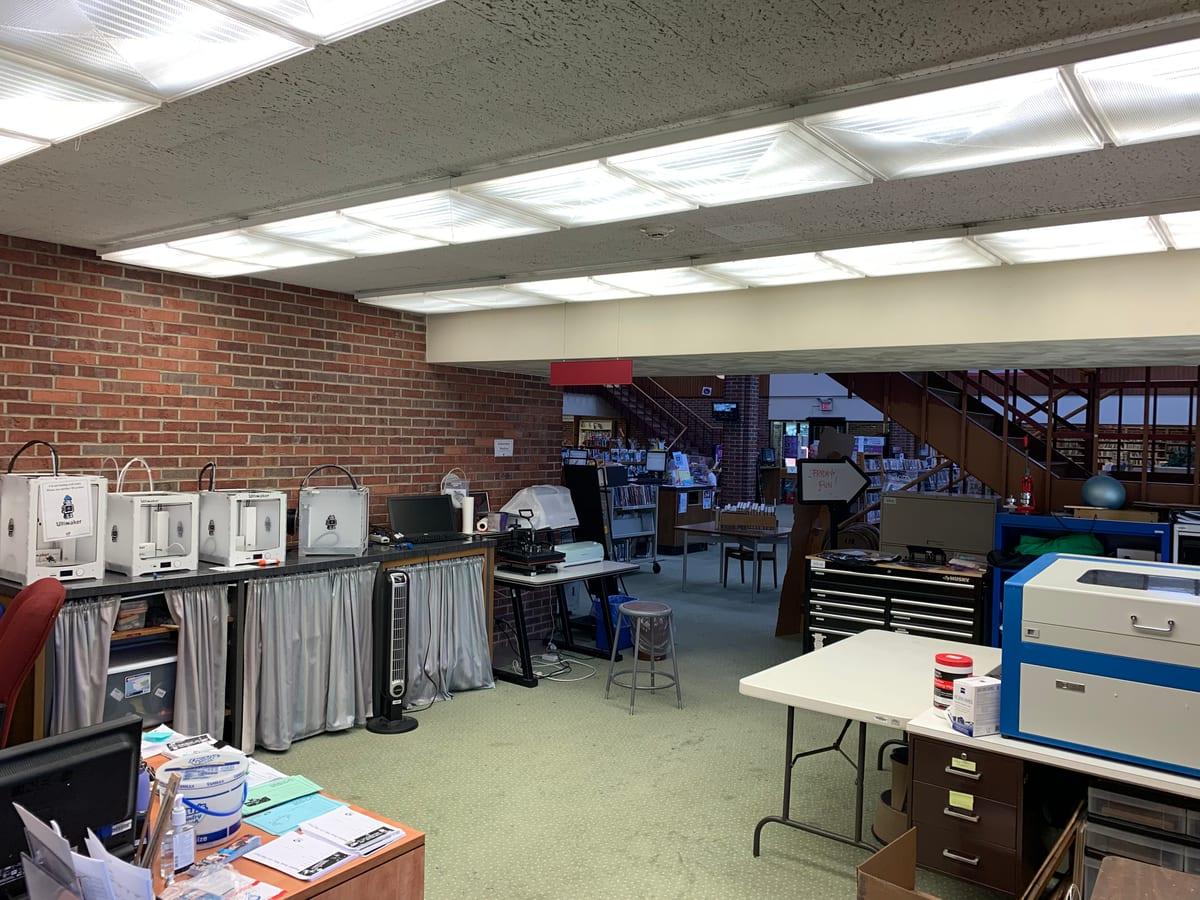
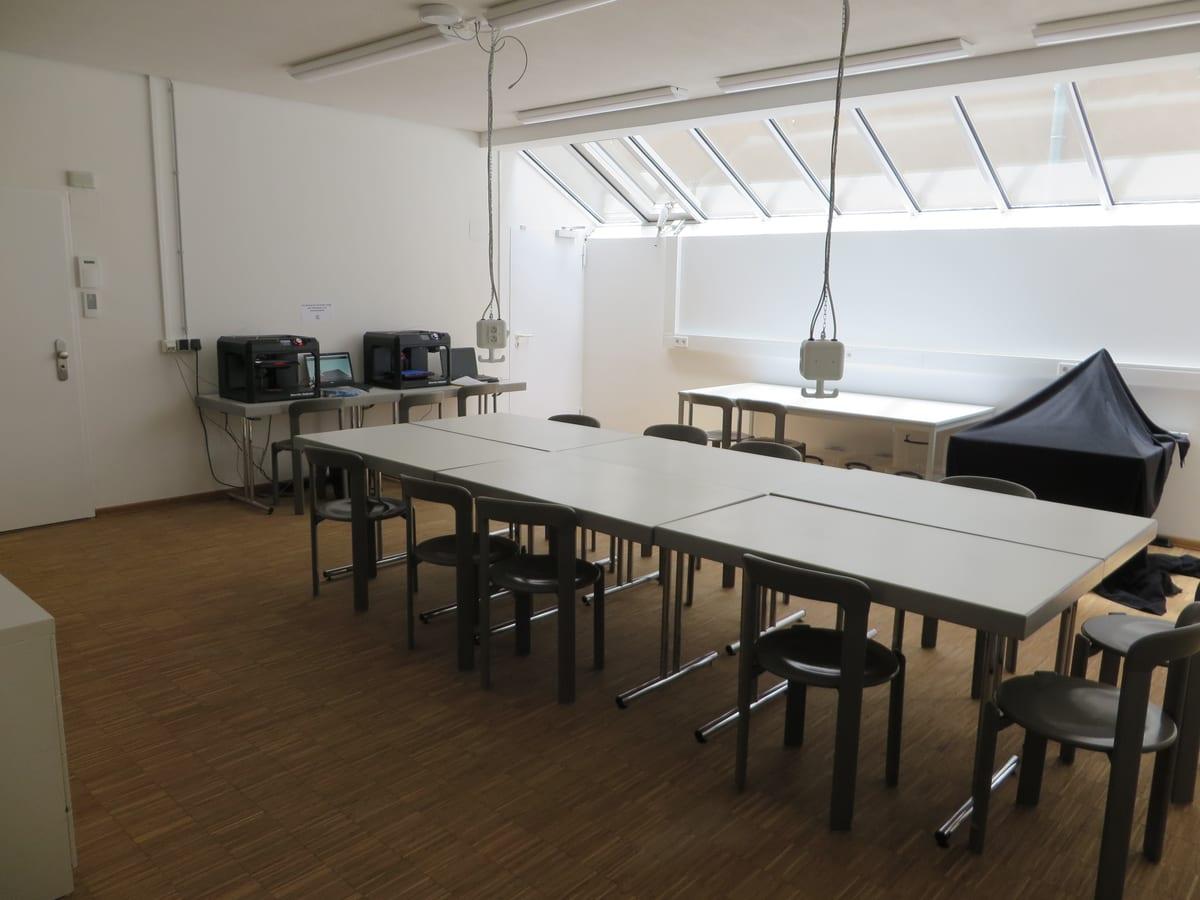
The cheapest option that exists, and the one most people forget. Many US public libraries run makerspaces charging a materials fee by the gram. Best when you have a print-ready file, a small part and patience. Weakest on everything else: limited build volumes, one or two materials, queues that stretch during school project season, and no design help.
What the Same Part Costs Across All Seven
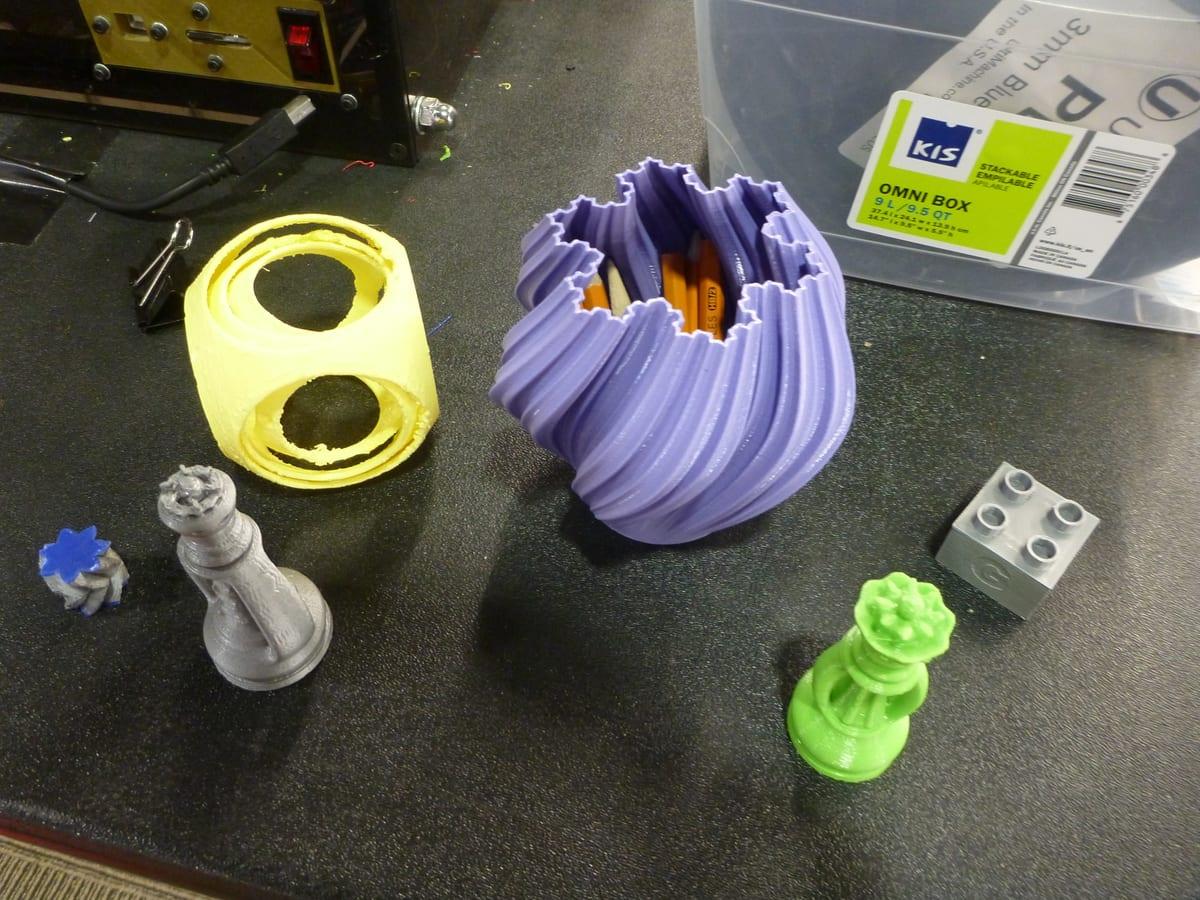
One job, quoted every way: a 120 gram functional bracket in PETG, 0.2mm layers, four walls, 30% infill, from an existing file, delivered in the US. No design work.
Delivered cost of the same 120g PETG bracket by route
Marketplaces and overseas batch services cluster in the $25-90 band for a single small part. Industrial bureaus sit three times higher because their minimum order charges are designed for production runs, not one-off brackets.
| route | Typical low | Typical high |
|---|---|---|
| Library makerspace | $6 | $30 |
| Maker marketplace | $25 | $70 |
| Treatstock-style network | $25 | $75 |
| Aggregator (Craftcloud) | $30 | $90 |
| Overseas batch (JLC3DP) | $35 | $80 |
| Industrial bureau | $90 | $250 |
Source: 3D Print Bounty maker quotes and comparable independent commissions for a 120g PETG bracket delivered in the US, July 2026. Typical ranges across each category rather than any single vendor's list price.
Typical time from order to part in hand
Overseas batch services trade 10 to 25 days of waiting for the lowest unit price on a batch — on the single part priced in the chart above they are not the cheapest. Independent makers are consistently the fastest online route because there is no batching queue between your order and the machine.
| route | Fastest, days | Slowest, days |
|---|---|---|
| Library makerspace | 1 | 14 |
| Maker marketplace | 3 | 10 |
| Treatstock-style network | 5 | 15 |
| Aggregator (Craftcloud) | 6 | 16 |
| Overseas batch (JLC3DP) | 10 | 25 |
| Industrial bureau | 5 | 12 |
Source: 3D Print Bounty maker quotes and published turnaround windows for comparable independent commissions, July 2026. Typical ranges by category, not measured delivery times.
Which One Fits Your Job
| Route | Best for | Pricing model | Avoid when |
|---|---|---|---|
| Maker marketplace | One-off custom parts, repairs, jobs with no file | Competitive bids | You need hundreds of identical parts |
| Craftcloud | Comparing bureaus and processes quickly | Aggregated instant quote | The job needs a conversation |
| Xometry | Certified materials, tolerances, mixed processes | Instant quote, order minimums | The part is worth under $50 |
| Protolabs Network | Functional engineering parts, low-volume production | Instant quote with DFM feedback | Hobby and household jobs |
| JLC3DP | Cheap batches of small parts | Per-part, low unit cost | You need it inside two weeks |
| Shapeways | Consumer and designer pieces, finished materials | Per-part catalogue pricing | You have not verified current terms since the 2024 ownership change |
| Library makerspace | Small parts, print-ready files, no deadline | Materials fee per gram | The part is large or needs design work |
The Question Worth Asking Any of Them
Price and lead time are easy to compare. The thing that is hard to compare, and that decides how a bad order feels, is what happens to your money between paying and receiving.
There are broadly two models. In the first, the platform pays the maker when the order ships and offers you a refund process if something goes wrong. That works, but the burden of proof is on you after the fact, and you are arguing about a part you have already paid for. In the second, the platform holds your payment in escrow and releases it only after you have seen photographs of the finished part and approved them.
We run the second model, so treat that as disclosure rather than neutral analysis. Our reasoning is that photo approval before release catches the failure mode that dominates custom printing: not fraud, but a part that is dimensionally wrong, warped, or printed in the wrong material. A photo surfaces that before anyone has been paid, which turns a dispute into a reprint. Whichever platform you use, find out which of the two models it operates before you upload anything.
If you want to sanity check any quote you receive, our 3D printing cost guide breaks down what should be in it, and the cost calculator prices the material and machine time for a given part weight so you can see how much of a quote is overhead.
Our Honest Recommendation
If your part is simple, your file is ready and you want a price in ten seconds, an instant-quote marketplace including Treatstock is the fastest path and there is no reason to avoid it.
If you need hundreds of parts in a certified material, use Xometry or Protolabs Network and accept the minimums, because that is what those minimums buy.
If your job needs explaining, has no file yet, involves a broken original, or is the kind of thing a quoting engine returns an error on, post it somewhere makers can read it and bid. That is the gap we exist to fill, and it is genuinely a different job to instant quoting rather than a better version of it.
Frequently asked questions
What are the best alternatives to Treatstock?
For one-off custom and replacement parts, an independent maker marketplace such as 3D Print Bounty. For comparing many service bureaus at once, Craftcloud by All3DP. For engineering-grade parts with material certification, Xometry or Protolabs Network. For cheap batches, JLC3DP. For the lowest cost of all, a local library makerspace if you can supply a print-ready file.
How much does Treatstock charge?
Treatstock’s Help Center "Selling fee" article states that "for services provided on Treatstock we charge a fee not lower than $2.99 and doesn’t exceed 25%" (checked August 2026). Its "Manufacturing fee" article says the service fee is included in the manufacturing fee the customer pays and is then withdrawn from the manufacturer’s account, so it is priced into the quote you see. That is why comparing a marketplace quote against a maker you hire directly is not comparing like with like. Check their current published fee before ordering.
Is Treatstock legit?
Yes. Treatstock is an established online 3D printing marketplace connecting buyers with independent manufacturers worldwide, with instant quoting from uploaded models and public manufacturer ratings. Its published return policy refunds for non-delivery or for a faulty or defective product, with a complaint window of 7 days after delivery on orders placed on its own site (checked August 2026). Read the current version before ordering, as marketplace policies change.
What is the cheapest way to get a 3D print made online?
For a single 120g PETG part delivered in the US, expect roughly $25-75 from a marketplace, $35-80 from an overseas batch service after shipping, and $90-250 from an industrial bureau with minimum order charges. A local library makerspace beats all of them at $6-30 if you can do the work yourself.
What should a 3D printing marketplace do with my money before the part ships?
Hold it. The structural protection that matters is escrow: your payment is held by the platform and only released to the maker after you have seen photographs of the finished part and approved them. Policies that pay the maker on dispatch and offer refunds afterwards put the burden of proof on you.
Post the Job and Compare Real Bids
Describe the part in plain English, with or without a file. Makers bid, you choose, and your payment stays in escrow until you have approved photographs of the finished part. Compare whatever comes back against the instant quote you already have.